
Last updated November 25, 2026
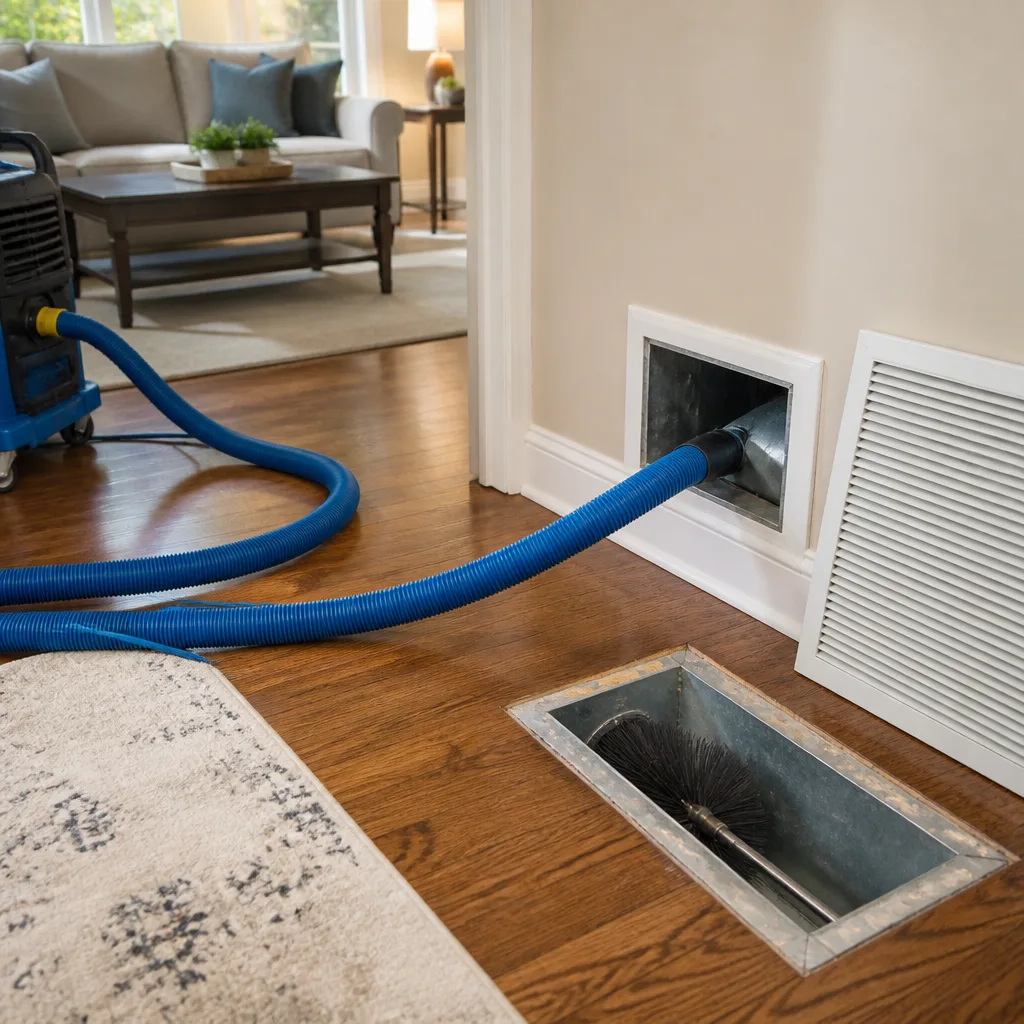 Whole-home duct cleaning
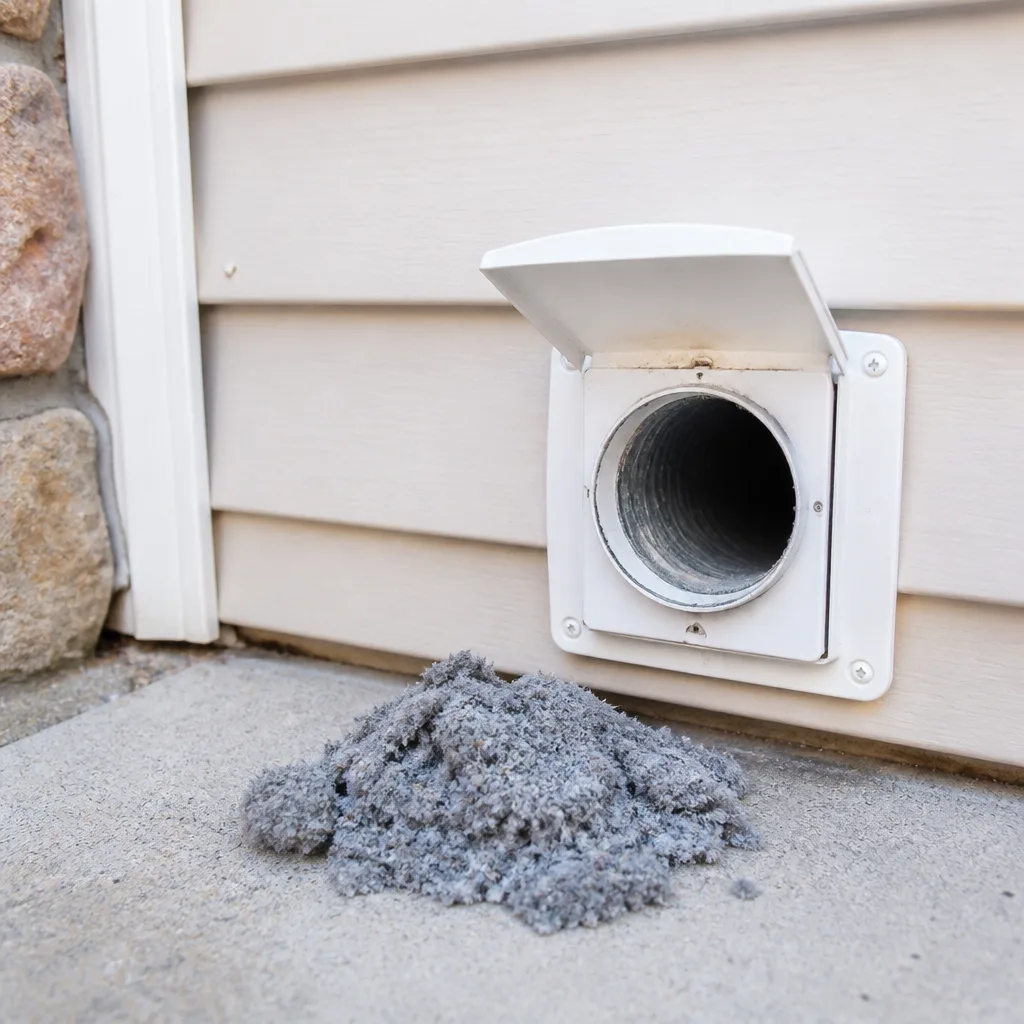 Dryer vent cleaning
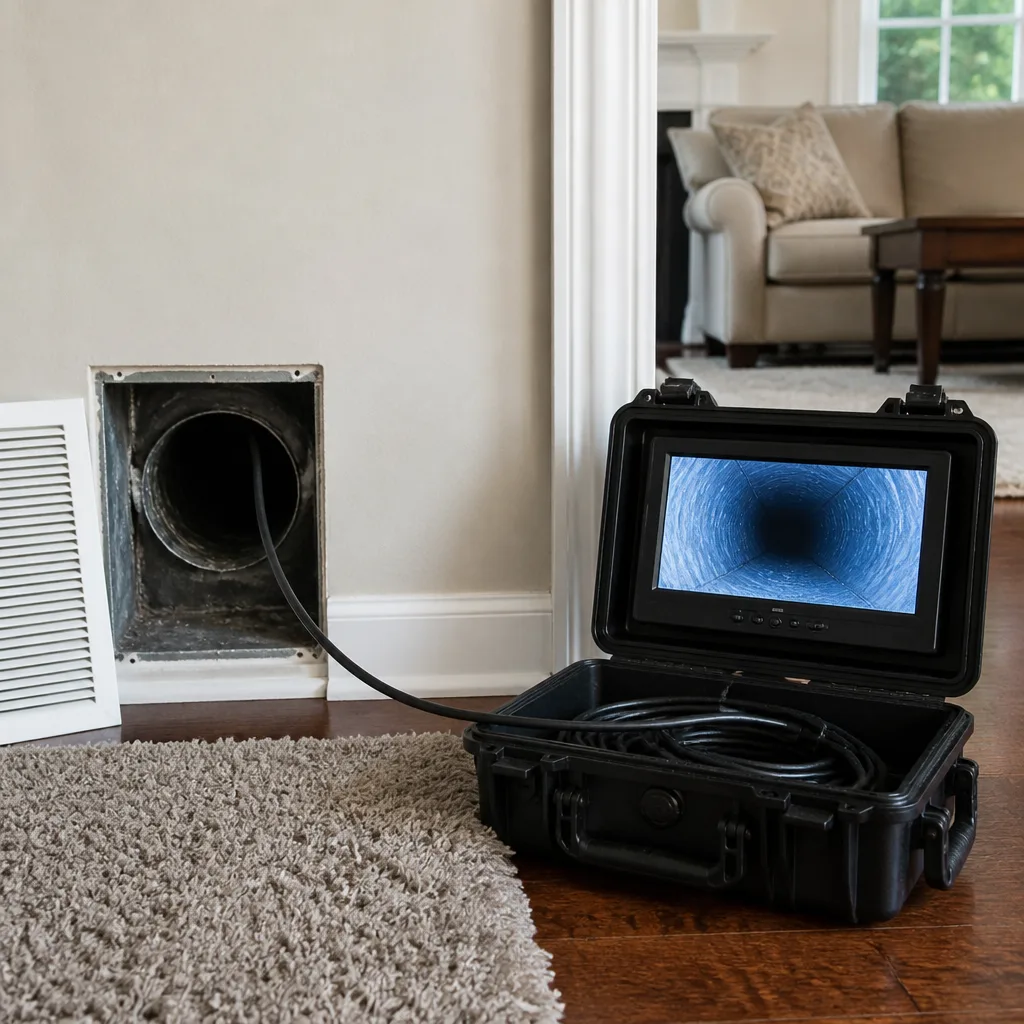 Camera inspection
 Sanitizing & deodorizing
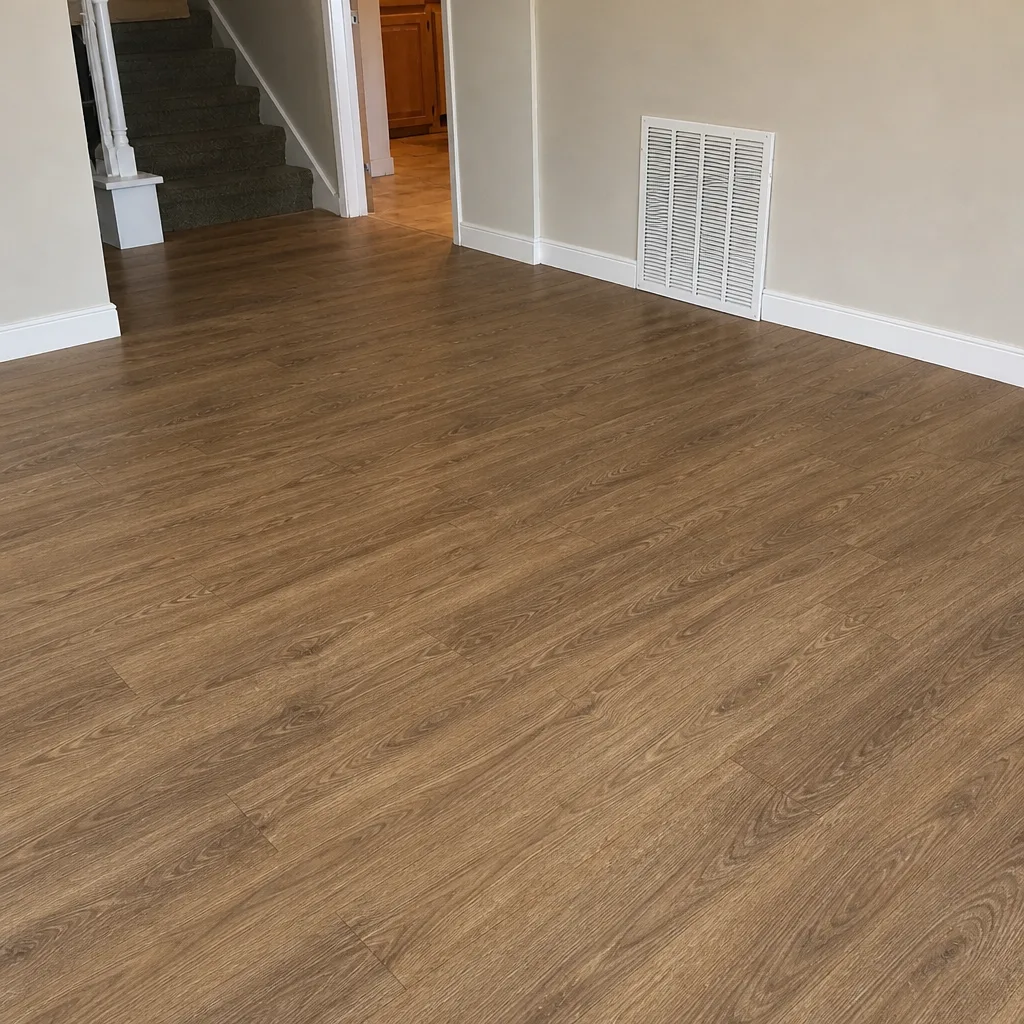
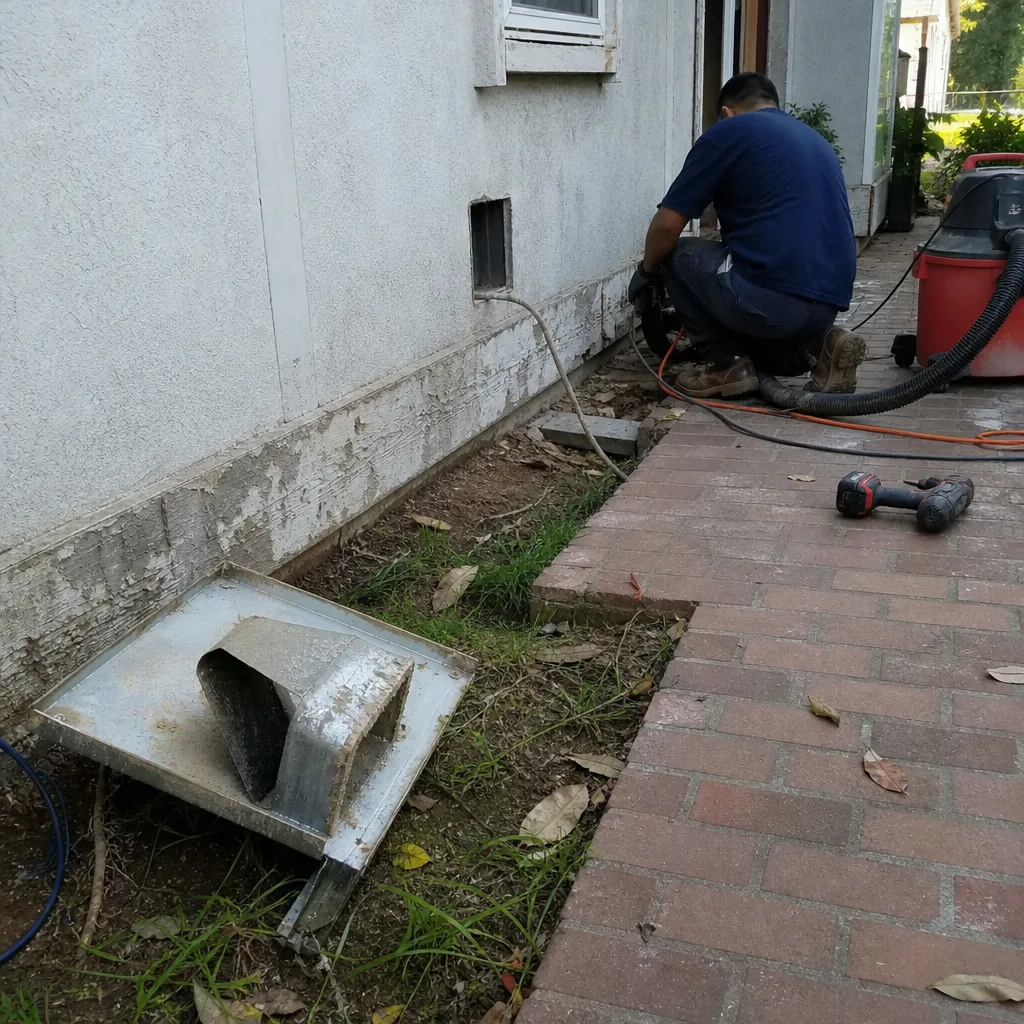
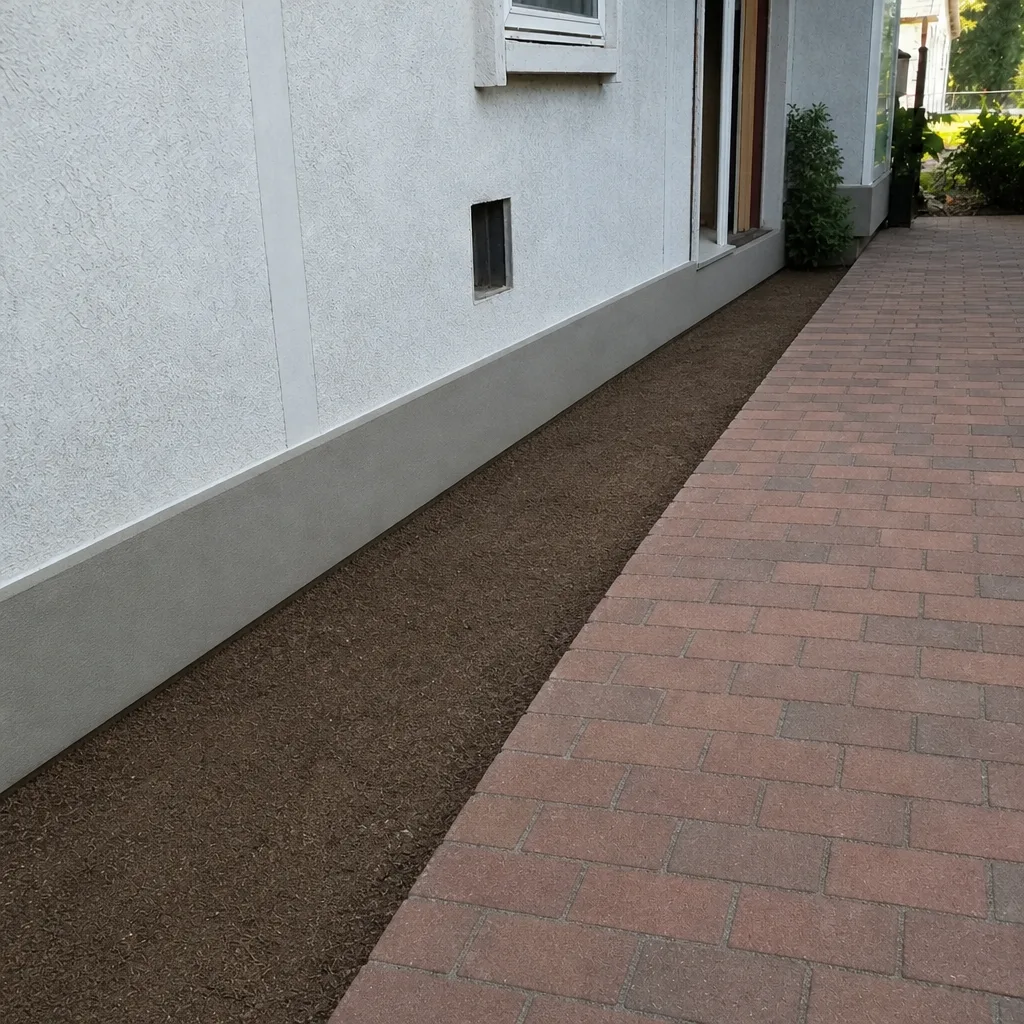
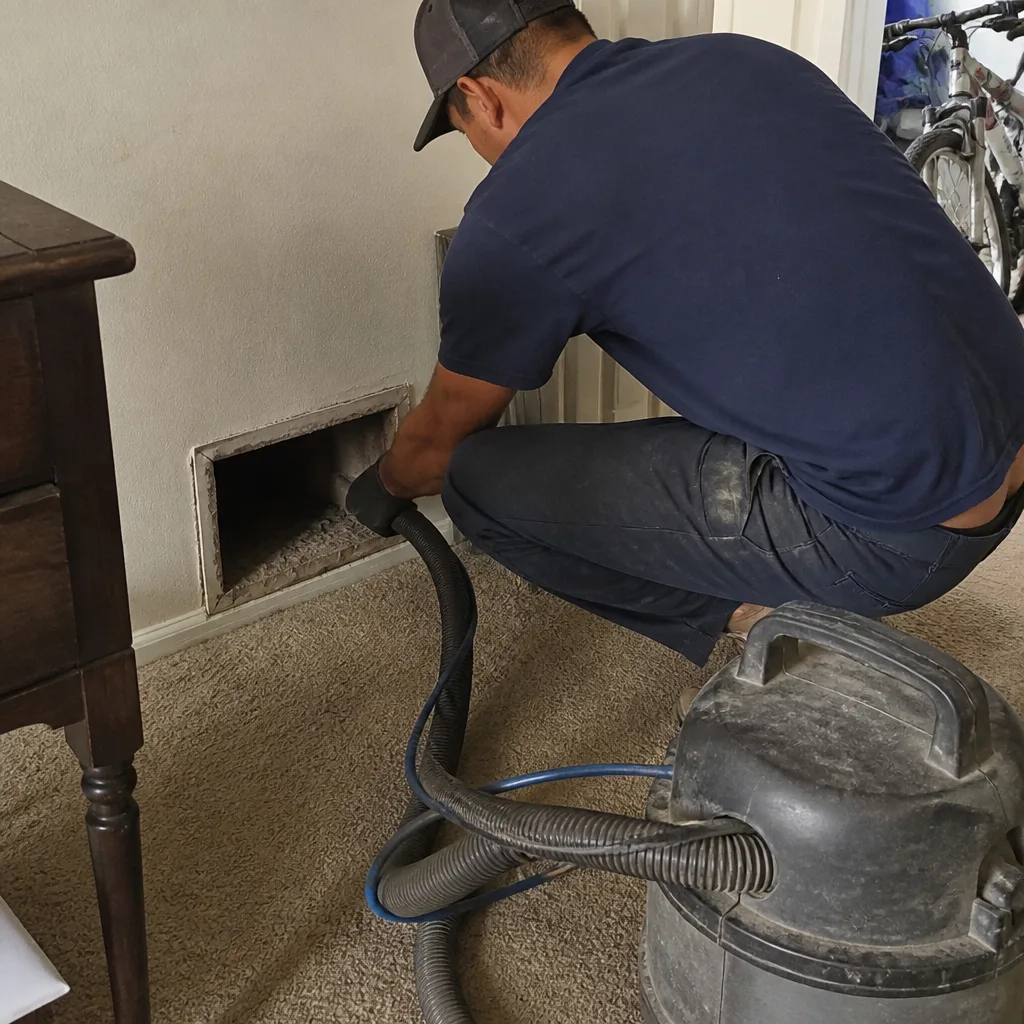
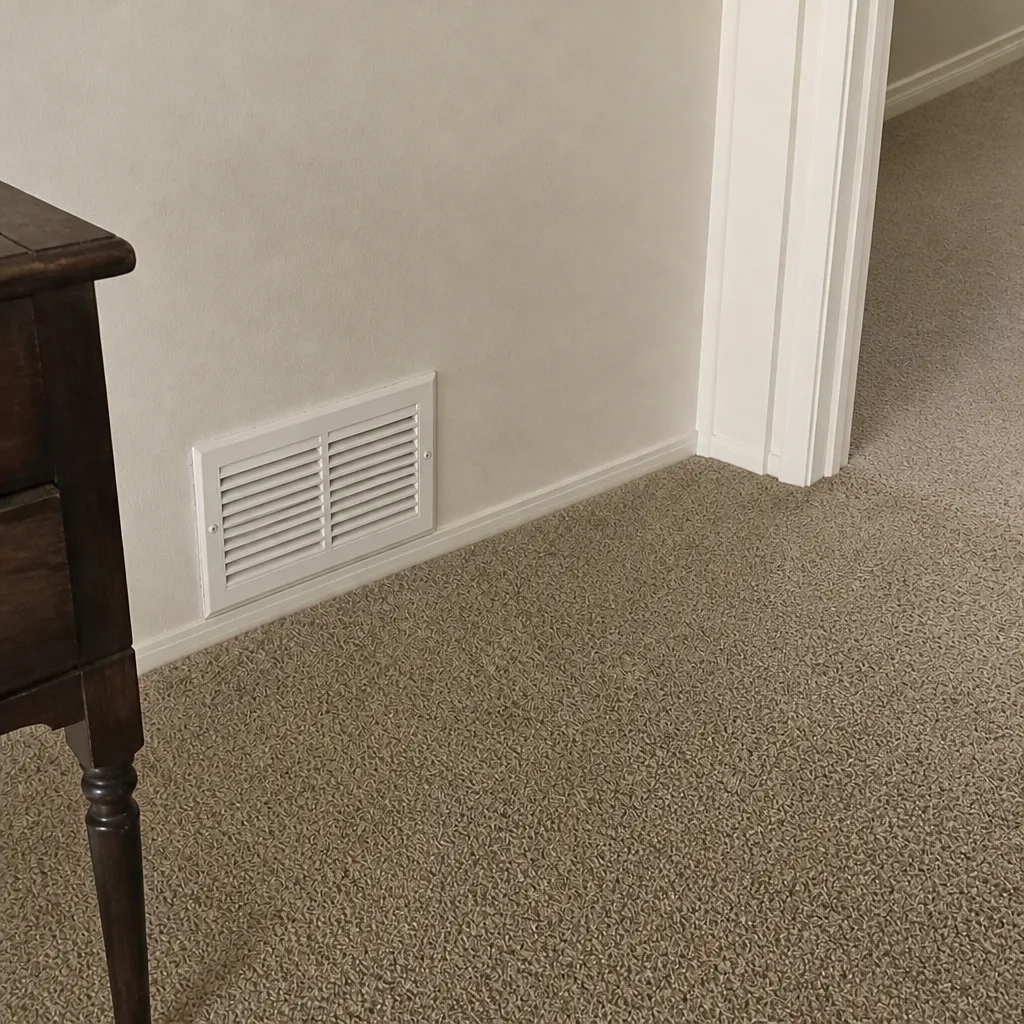
Whole-system duct and dryer vent check with before-and-after photos - you see exactly what came out of your vents
That "$99 whole-house special" is a bait ad - the real number appears once they are in your hallway, or the "clean" is a shop-vac at the register. We photograph the inside of your ducts before and after instead.
Air Duct Cleaning Maintenance Checklist for Orange Homeowners
Most homeowners treat duct cleaning as a calendar item: every three to five years, whether the system needs it or not. In Orange, that habit works against you. The EPA guidance that produced the three-to-five-year figure was written for a generic American house in a generic American climate. It was never calibrated for a Southern California home that runs its air handler through wildfire smoke seasons and cool marine layer months back to back, and it says nothing about your filter rating, your system runtime, or the renovation dust you created last spring. What follows is a working checklist you can keep, update, and hand to a buyer at resale. We build these records for Orange homeowners so the cleaning decision comes from evidence, not a calendar reminder.
Quick Answer
An effective air duct maintenance checklist for an Orange home tracks four things: filter change dates and MERV ratings, system runtime hours, trigger events that reset the cleaning clock, and dryer vent inspections. Check your registers monthly, replace filters on a recorded schedule, inspect the dryer vent annually, and schedule professional cleaning based on evidence inside the system rather than a fixed interval. Document every service visit so the record follows the house, not the owner.
Styles & brands we work with
- Whole-home duct cleaning
- Dryer vent cleaning
- Camera inspection
- Sanitizing & deodorizing
Table of Contents
- How do you build a home-specific baseline?
- What Orange events reset your duct cleaning clock?
- What can you inspect yourself at the registers?
- When do you need a scope camera inside the trunk line?
- How often should the dryer vent be inspected?
- What does a printable service log actually track?
- Why do some rooms collect more dust than others?
- How does documentation help at resale?
How do you build a home-specific baseline?
A maintenance record starts with three pieces of data and thirty minutes of your time. First, filter change dates. Second, the MERV rating you actually install. Third, your system’s approximate runtime. Get these right and you have removed most of the guesswork from the whole checklist.
Write the filter change date on the filter itself in permanent marker, then log it in your phone or on paper. Note the MERV number, not just the brand. A MERV 8 does different work than a MERV 13, and the higher rating catches more fine particulate but loads faster in a dusty house. If you upgrade a filter without changing the maintenance interval, you’ll find yourself back at the supply grille sooner than expected.
Runtime is the piece most people skip. A system running most of the summer moves far more air than a lightly used system in a mild Orange household. More air means faster filter loading and faster debris accumulation on the coil and in the return duct. Log the filter change interval you actually observe. If your MERV 11 filter is clogging in six weeks in July, that is real data and it belongs in the record.
- Note the filter size, MERV rating, and the date it went in.
- Note the date it looked visibly loaded and the date you replaced it.
- Note how many hours a day the system ran during that interval.
- Keep the numbers in one place. A single page works.
We’ve seen Orange households build this baseline in an afternoon and use it for years. The goal is a picture of how your specific system behaves, and that picture tells you far more about cleaning timing than a sticker from a previous owner.
What Orange events reset your duct cleaning clock?
Orange sits in the middle of Southern California, with wildfire smoke creeping through the region from multiple directions during fire season. A smoky week can deposit fine particulate into your duct system well before the calendar says your cleaning is due. If you’re trying to run a generic reminder schedule, you’ll miss the real signals. Watch for these trigger events and record them.
- Wildfire smoke events. Log the dates of smoke events that impacted Orange. If you smell smoke indoors when the system runs, or notice a film settling on horizontal surfaces, that’s a trigger to schedule an inspection.
- Home renovation. Drywall dust, sawdust, and construction particulate are heavy loads that find their way into return ducts. Renovation is one of the most reliable triggers in the trade.
- New pets. A new dog or cat increases hair and dander loading on the return side. Note the date the pet joined the house.
- HVAC equipment replacement. When an air handler or coil is replaced, the installer has to break into the system. That’s the moment to inspect and clean before the new equipment goes back online.
- Airflow changes. Weak airflow from a register, inconsistent room comfort, or a coil that’s begun to feel cold but not cold enough.
- Odor. A musty smell that persists after the filter change is a strong signal, especially in the return duct.
The practical effect is that your Orange duct cleaning clock resets on conditions, not dates. That single shift is what separates a checklist that earns its keep from one you abandon after the first year. When several triggers stack up at once, that’s when it’s worth bringing in professional equipment to look inside the system.
What can you inspect yourself at the registers?
You can safely inspect the outside of a supply or return grille, the filter slot, and what you can see with a flashlight shining into a duct run. What you cannot safely do is remove a register and reach beyond the boot into the branch duct, and you should never open an air handler panel or touch the blower, wiring, or coil. The blower compartment holds high voltage and moving parts. That is a professional job and it stays that way.
At the register itself, here’s what to look at:
- Remove the grille screws if the grille is accessible and easy to reach. Many are held by two screws.
- Shine a flashlight back into the boot and the first foot of the branch duct. Take a photo with your phone.
- Check for dust buildup on the grille face and the boot interior. Light dust is normal. A visible layer that wipes clean with a finger is a flag.
- Check the supply and return systems separately. The return side usually carries more debris.
- Check your filter. Is the rating still visible? Is the filter face uniformly dust-loaded or is one side cleaner than the other? Uneven loading can indicate a bypass issue.
Note the date and your observation. A photo library from these self-checks is genuinely useful data. Keep the observations factual and don’t try to decide whether the duct is contaminated. Just note that the dust was there, that the date is X, and that you’ll compare it to the next check.
What you don’t touch: the air handler panel, the coil, the flue, gas piping, or any wiring. When we return calls from Orange homeowners who removed an air handler cover to get a better look, the safety conversation is always longer than the cleaning one. That is a professional job, and a trained technician with the right equipment can inspect the interior safely.
When do you need a scope camera inside the trunk line?
A flashlight at the register shows you the branch duct. It does not show you the trunk line, the plenum above the air handler, or the deep interior of a long duct run. That’s where the real evidence lives, and that’s what a scope camera does. When a technician runs a scope into the trunk, they can see the actual dust layer, the debris type, and any gaps, crushed sections, or separated joints in the ductwork. That visual is the answer to “is cleaning actually overdue?”
Schedule a scope inspection when any of the following apply:
- Your self-inspection turned up a visible dust layer in the boot or branch duct.
- You’ve had a wildfire smoke event impact Orange within the last twelve months.
- You completed a renovation, especially anything involving drywall or woodworking.
- You’re experiencing airflow problems, uneven room comfort, or a musty odor that doesn’t clear after a filter change.
- The house is older and the HVAC system has been in place through many renovation cycles.
- You’re preparing the home for sale.
The scope inspection itself is a professional service; we don’t recommend buying a scope camera and doing this yourself, because the value isn’t just seeing the dirt. It’s knowing what you’re looking at. A technician who sees a light dust film and a technician who sees fibrous matting attached to the duct wall will recommend two different next steps. Our technicians have up to 11 years of experience reading exactly that kind of interior evidence.
Once we’ve scoped the trunk, we can tell you whether air duct cleaning is the right call now, or whether your duct run is fine and you can wait. That evidence-driven answer is what we want to give you, even when the answer is “not yet.”
How often should the dryer vent be inspected?
Inspect your dryer vent at least once a year, and more often if your household does heavy laundry loads. The dryer vent is the most neglected and highest fire-risk component in the home’s air pathway. Lint accumulation restricts airflow, and restricted airflow overheats the dryer. This is not a plumbing or duct nuisance; it’s a fire safety concern, and it belongs on the same maintenance schedule as the duct work, not in a separate mental category.
You can inspect a few things yourself. Check the exterior vent hood: is the flapper moving freely? Can you see lint packed into the hood? Check the lint trap after every cycle; if you’ve been pulling out thick lint sheets, that’s normal, but if the trap is empty and the dryer still takes two cycles, that’s an airflow restriction upstream. Never pull the dryer out and disconnect the flexible duct to inspect the interior of the machine unless you’re confident about what you’re disconnecting and reconnecting. That’s a professional job.
Here’s what should live on your checklist:
- Monthly: clear the lint trap. Wipe the trap housing with a damp cloth.
- Monthly: check the exterior vent flapper from outside. Is it moving freely when the dryer runs?
- Annually: full professional dryer vent cleaning regardless of what the lint trap shows.
- Any time the dryer runs longer than normal, note the date and behavior.
In Orange, many homes have the dryer vent running through a sidewall with a short run to the exterior, but plenty of houses have longer, more complex runs. Long runs and multiple elbows accumulate lint faster. Add a vent cleaning to the same service visit as a duct cleaning and you’ve addressed both air pathways in one call. Our scope covers the whole system, which is where the convenience of dealing with one company actually matters.
What does a printable service log actually track?
The log is the difference between a maintenance habit and documentation. A maintenance habit lives in your head. Documentation lives on paper and survives a sale, an insurance claim, or a warranty question. Build the log once and it will do work for you for years.
Set up a simple table with these columns:
- Date of service
- Service performed (duct cleaning, dryer vent, HVAC coil cleaning, duct repair, sanitizing)
- Company and technician name
- Method or equipment used (for example, Rotobrush contact cleaning with Nikro negative-air extraction)
- Components cleaned or repaired (supply branch, return trunk, main plenum, coil, blower)
- Before and after notes
- Photos (registers, trunk, dryer vent exterior)
- Next recommended inspection date
The “method used” column matters because it’s how you later compare a thorough job against a surface-level one. If a receipt from three years ago lists no method and no equipment, that is a signal. If it lists contact cleaning with professional equipment, your future self knows what was actually done. When we finish a job for an Orange homeowner, we want them to log the equipment we used by name. Rotobrush contact cleaning with a brush-and-vacuum method physically removes debris; Nikro negative-air equipment keeps the working area contained during the process. Those are the specifics worth recording.
Why do some rooms collect more dust than others?
Uneven dust accumulation across rooms is one of the more useful diagnostic signals a homeowner has. It’s also one of the most overlooked. If one bedroom’s register is always dustier than the rest of the house, that isn’t a coincidence. It’s telling you something about the branch duct serving that room, or the way that system’s airflow is balanced.
Common causes we find when a homeowner walks us through the pattern:
- A crushed, kinked, or disconnected branch duct in a crawlspace or attic run to that room.
- A blocked or nearly blocked boot at the supply register, often from debris collected at a low point in the duct.
- A return-air short circuit, where the room draws air more directly than the rest of the house.
- A register that’s been partially covered by furniture, curtains, or a remodeled wall.
Dustier rooms often correlate with weaker airflow. If the room also heats or cools more slowly than the rest of the house, that’s a stronger signal that the airflow problem is upstream of the register. When we inspect a duct system for an Orange homeowner, we look at the branch serving every room, not just the trunk, because the room you’ve noticed is often the one showing the symptom of a more general airflow problem.
Note the pattern on your checklist and date it. The rooms that collect more dust, and when the pattern started, is genuinely useful evidence. Our hvac cleaning service includes looking at the coil and blower as part of the overall system, which often surfaces airflow restrictions the register inspection missed.
How does documentation help at resale?
A service log makes a house easier to sell. Buyers who ask about maintenance, and a home inspection that turns up questions about the HVAC system, both get a cleaner story when you can produce dated records of what was done, who did it, what method they used, and what the system looked like before and after. That is what a motivated buyer wants to see. Not a receipt that says “duct cleaning – $X.” A record that shows the system was maintained and inspected.
What to keep for resale:
- All filter change records with MERV ratings.
- All duct and dryer vent service logs, including the method and equipment used.
- Before and after photos of each service visit.
- Any duct repair or sealing paperwork, so the next owner knows when and where the work happened.
- Any air quality equipment installs, filter housings, or upgrades like a Honeywell or Aprilaire filter system.
This is where the disposable checklist pattern hurts Orange homeowners. A calendar reminder in your phone dies with your phone. A log on paper or in a shared folder travels forward. Home buyers respond to specificity and documentation, and the record you build now is a small asset you’ll cash in at sale.
Common Mistakes to Avoid
- Treating the EPA interval as a fixed rule. Three to five years is a starting point, not a schedule for your specific house. Your filter rating, system runtime, and wildfire exposures can bring that interval down or push it out.
- Skipping the dryer vent because it’s not a duct. The dryer vent is part of the same air pathway and carries the highest fire risk. Put it on the same schedule and stop treating it as a separate job.
- Changing the filter without ever recording the change. The filter itself is one data point; the filter change date, the MERV rating, and the interval between changes tell the real story.
- Buying a higher-MERV filter without adjusting the interval. A MERV 13 filter loads faster than a MERV 8 and clogs in Orange households faster than a homeowner expects. If the filter loads sooner, log the new interval.
- Removing the air handler panel to get a better look. The blower compartment is a high-voltage zone with moving parts. Leave that to a trained technician.
- Choosing a service based on the quote alone. A quote without a stated method, equipment, and components covered tells you nothing about what will be done. Ask what equipment and method they use before you book.
- Not documenting a service visit. If the receipt only says “duct cleaning,” you’ve lost the evidence you’ll want at resale. Record the technician, method, and components cleaned.
See the difference
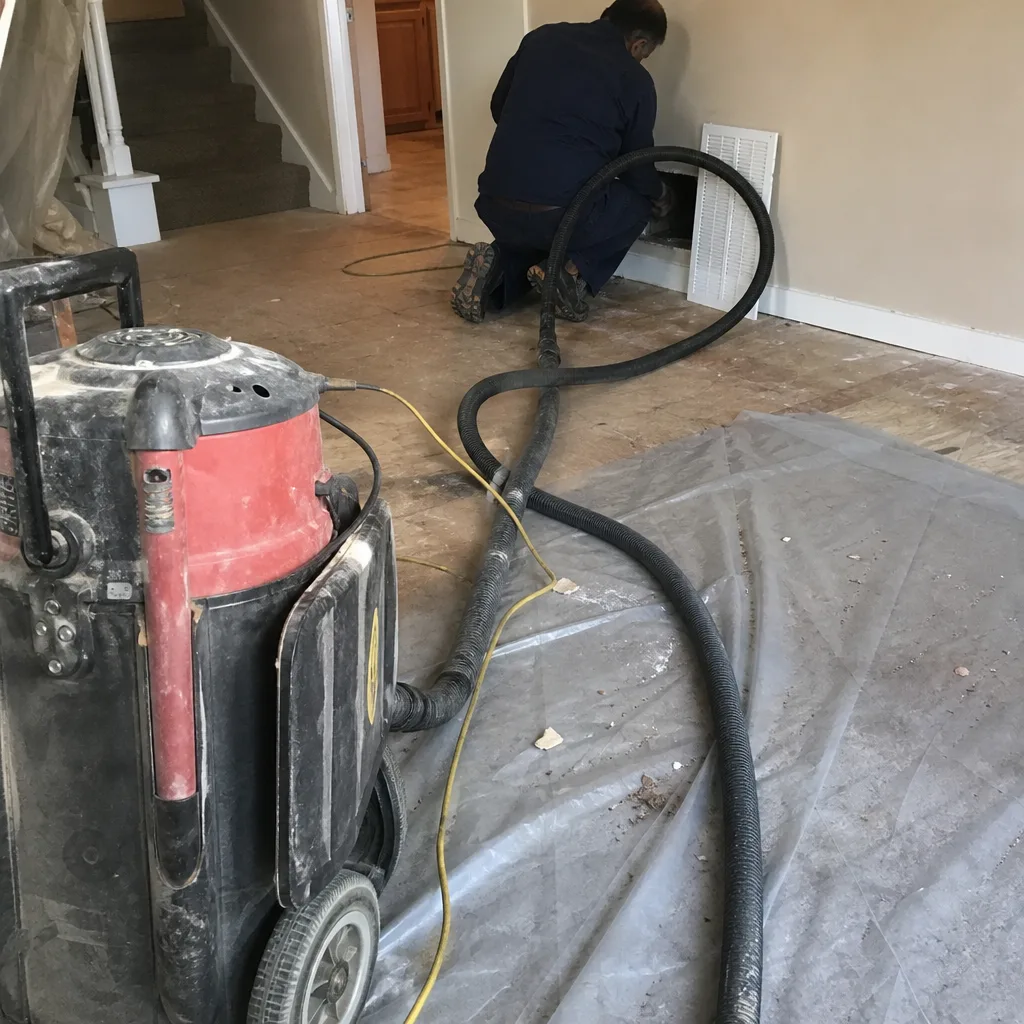 Before
 After
 Before
 After
 Before
 After
When to Call a Professional
Call a professional the moment you notice the trigger events stacking up. A wildfire smoke event in Orange, a renovation, an HVAC replacement, or a persistent musty odor are all legitimate reasons to schedule an inspection even if the calendar says you’re not due. If your self-inspection at the registers turned up a visible dust layer, or the scope shows contamination inside the trunk, that’s the point where professional cleaning is the right call. The same applies to the dryer vent: once a year at minimum, and sooner if the dryer is running long or the exterior flapper isn’t moving freely. We’ve handled everything from routine maintenance cleanings to higher-contamination scenarios using equipment like Nikro negative-air machines and Abatement Technologies gear for mold, allergen, and construction dust situations. Orange Air Duct Cleaning Co offers free estimates in Orange. Call (855) 658-3734. We answer 24/7. Fast dispatch from 7am to 7pm, Sunday through Friday.
Frequently Asked Questions
Most Orange homes need an inspection every 2 – 3 years and a cleaning based on evidence, not a fixed calendar. The EPA’s three-to-five-year guidance is a general recommendation that doesn’t account for wildfire smoke exposures, renovation dust, or your specific filter and system runtime. Trigger events like a wildfire smoke week or a completed renovation can make cleaning due well before that interval. Use your maintenance log to track those events and let the evidence decide when to schedule.
Look for visible dust layers in the register boot, a persistent musty odor after a filter change, uneven room comfort, or a recent trigger event like wildfire smoke or a renovation. A scope inspection inside the trunk line will show whether the contamination is significant or whether your system can wait. Don’t decide from a calendar reminder alone.
You can safely inspect the exterior of a register and the visible interior of a branch duct with a flashlight. Removing the registers and cleaning the interior of the branch and trunk lines requires professional equipment and training. Never remove the air handler panel or reach into the blower compartment – that’s a high-voltage zone with moving parts, and it’s a professional job.
Inspect your dryer vent monthly from the exterior and have it professionally cleaned annually, or sooner if your dryer runs long or you notice a lint restriction. In Orange homes with long vent runs, more frequent inspections are worth it. The dryer vent is the highest fire-risk component in the home’s air pathway and should be part of the same maintenance schedule as your ducts.
A useful duct cleaning receipt lists the date, the specific components cleaned, the methods or equipment used, and a photo record of before and after. If the receipt only says “duct cleaning,” you’ve got a payment record but not documentation. When we complete a job in Orange, we want homeowners to log the equipment by name – Rotobrush contact cleaning, Nikro negative-air extraction – so the record actually means something later.
Ask for before and after photos of your own ducts, not stock images of someone else’s. The photos should show the register, the trunk, and the main plenum. If you’re not present for the visit, ask the technician to photograph the components covered by the quote before and after the work. A company that can’t or won’t show you those images has left you with nothing verifiable.
Low quotes are usually priced for a limited scope: a surface blow-out at the registers rather than contact cleaning of the duct interior and the coil. Always ask what equipment and method the quote covers. A quote without a stated method and a defined list of components is a starting point, not a scope of work.
The Bottom Line
The maintenance checklist that actually works in Orange is built from your specific house: your filter rating, your system runtime, and the local air-quality events you’ve lived through. Build a baseline of filter changes and MERV ratings. Track the trigger events that reset your cleaning clock, from wildfire smoke to a renovation. Inspect registers yourself and let a trained technician scope the trunk line. Put the dryer vent on the same schedule and treat it as the safety item it is. Log every visit with the method, the equipment, and photos, and the record will serve you at resale. Get the evidence first, then schedule the work. Call (855) 658-3734 for a free estimate.
Written by the team at Orange Air Duct Cleaning Co.