
Last updated November 25, 2026
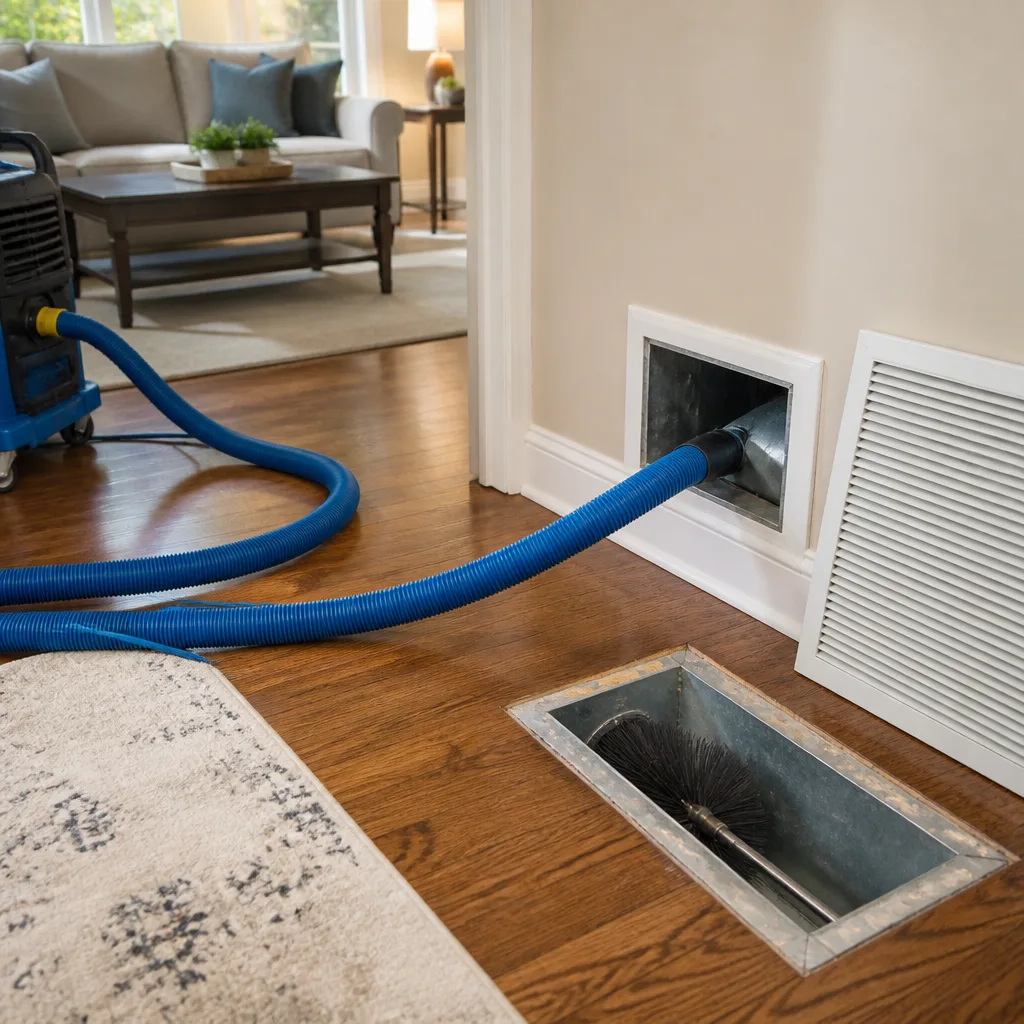 Whole-home duct cleaning
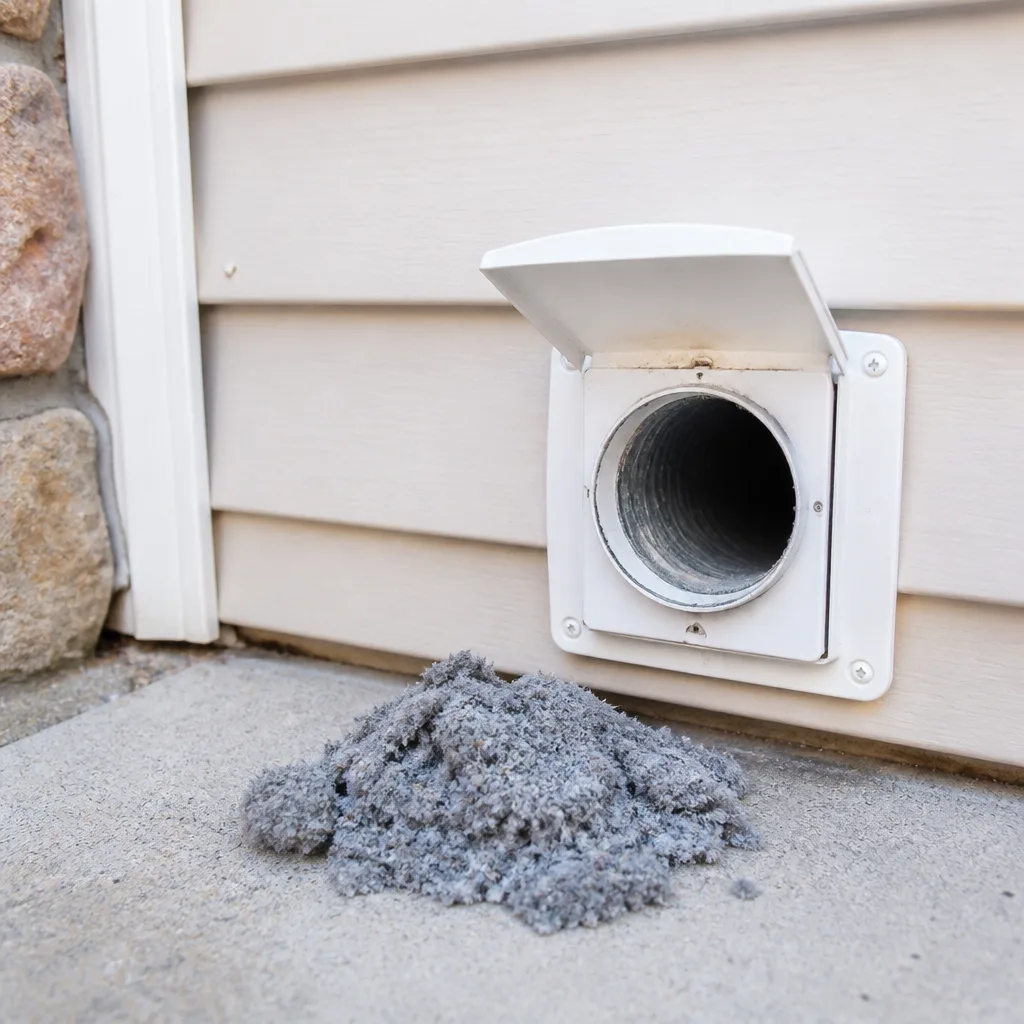 Dryer vent cleaning
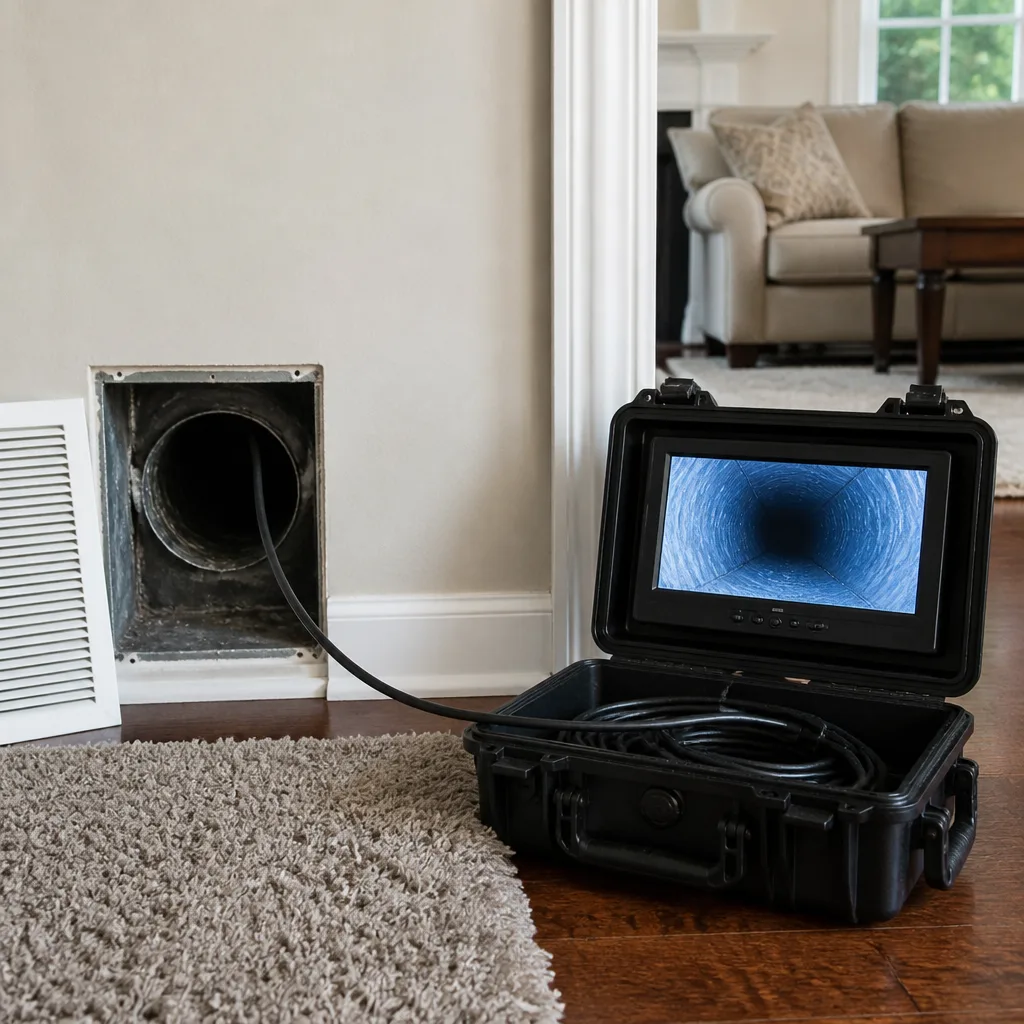 Camera inspection
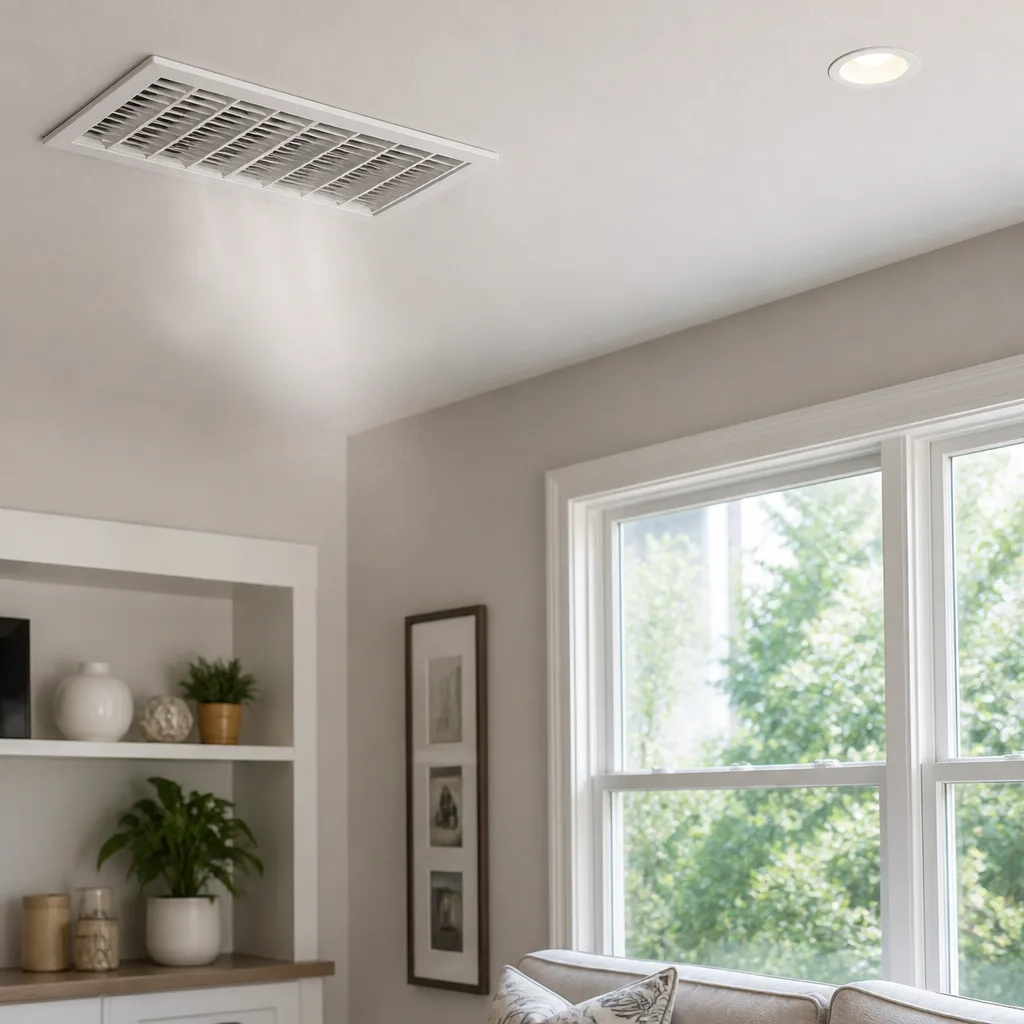 Sanitizing & deodorizing
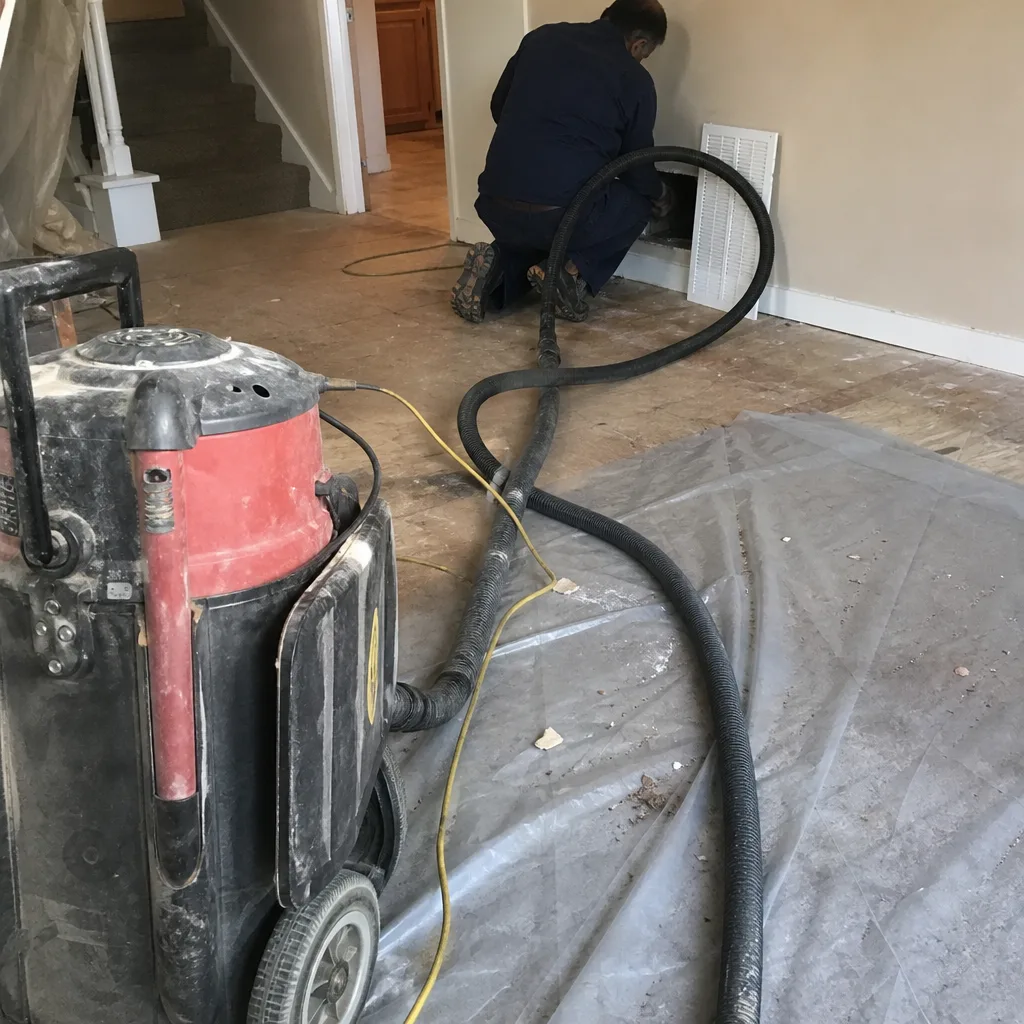
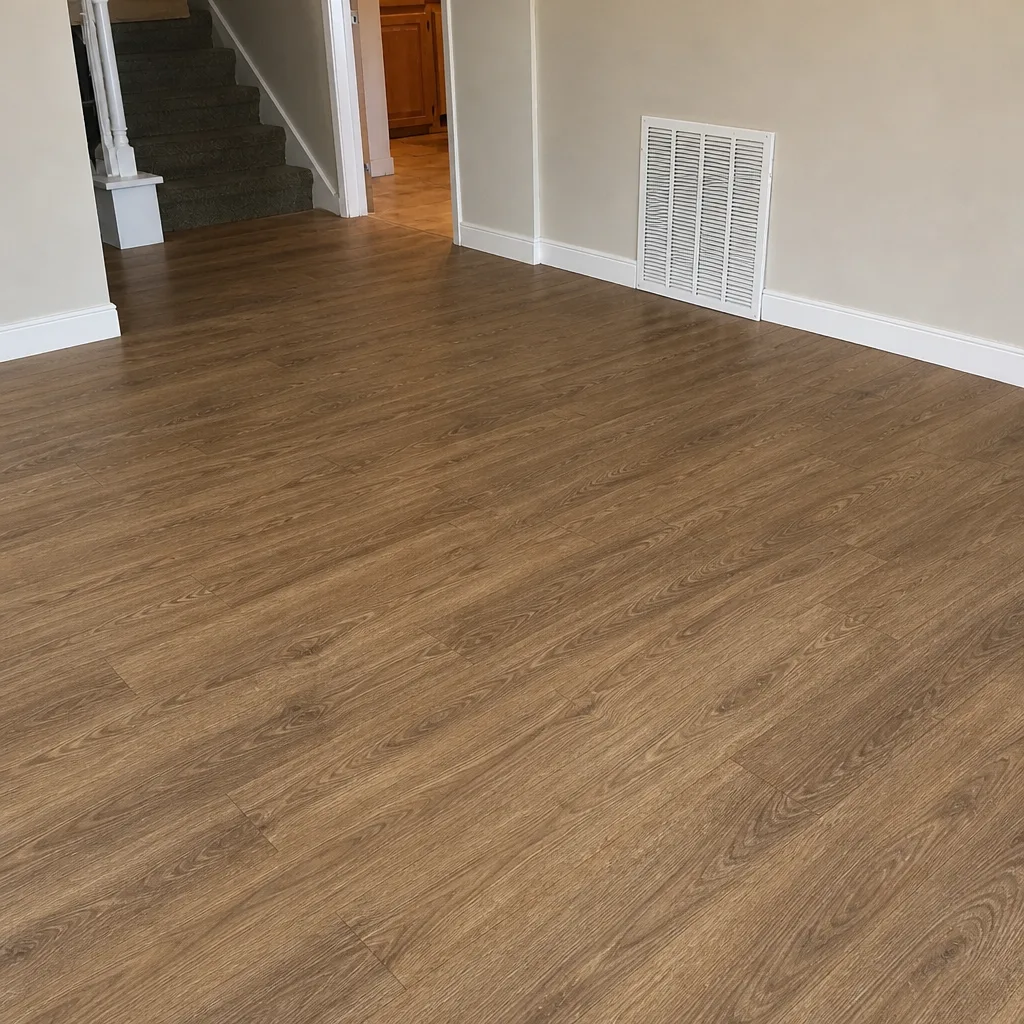
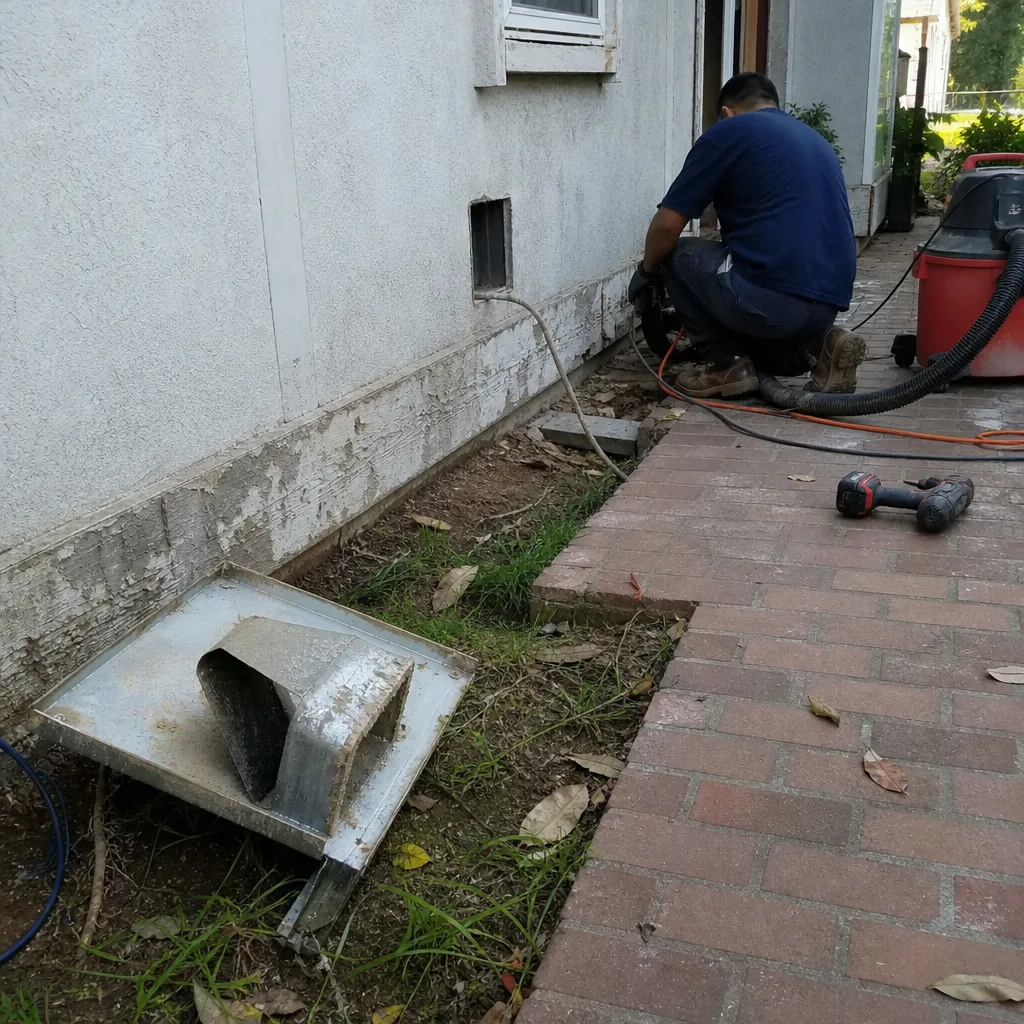
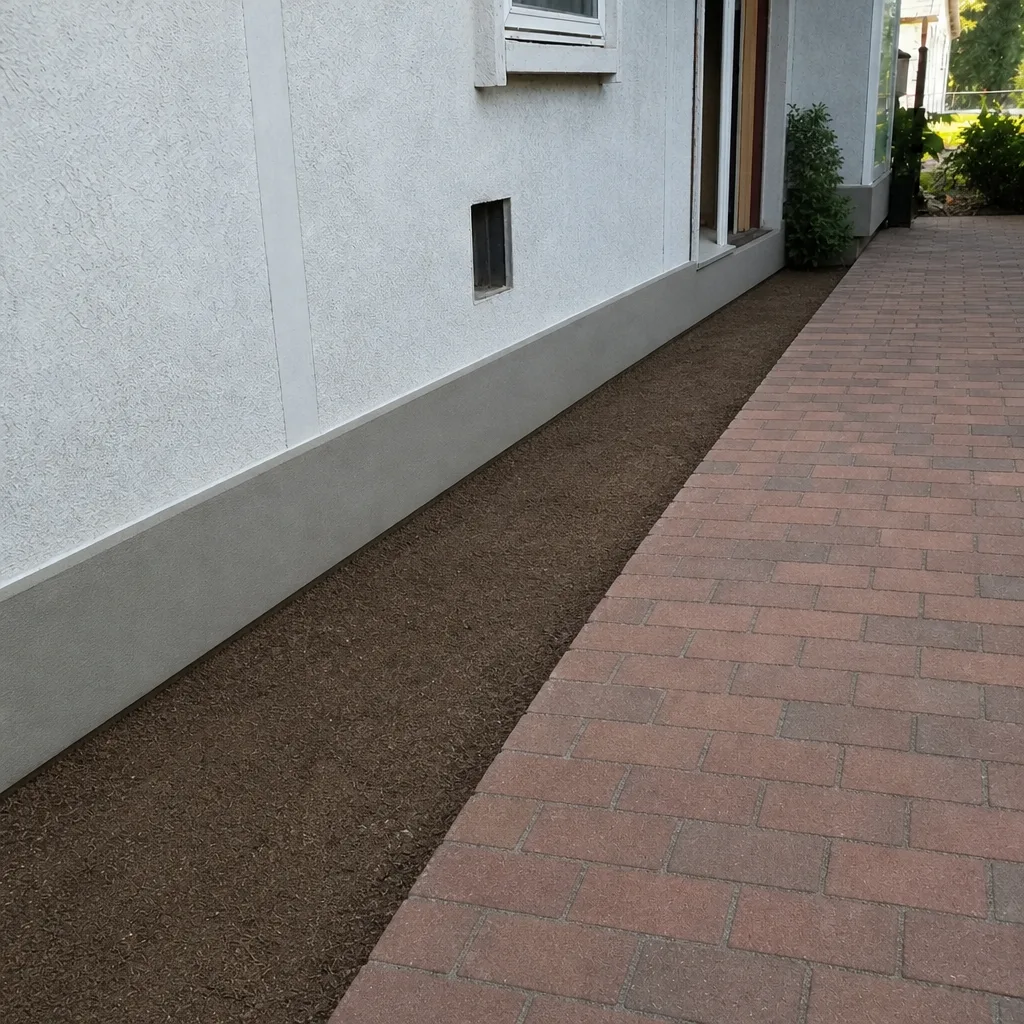
Whole-system duct and dryer vent check with before-and-after photos - you see exactly what came out of your vents
That "$99 whole-house special" is a bait ad - the real number appears once they are in your hallway, or the "clean" is a shop-vac at the register. We photograph the inside of your ducts before and after instead.
Air Duct Cleaning Maintenance Schedule: What to Do and When
The “every 3 to 5 years” rule that shows up in nearly every article on duct cleaning was never meant to be a universal clock. It describes a minimum baseline for a household with no pets, no recent renovation, no wildfire smoke exposure, and a decent filter running without interruption. Very few homes in Orange match that description. A house near the Santiago Creek greenbelt with two dogs, a recent kitchen remodel, and an October smoke event three blocks away has a completely different contamination timeline than the guideline assumes. What actually matters is a conditional calendar built around real triggers: pets, renovation dust, filter grade, HVAC system changes, and the Santa Ana wind season that reliably spikes indoor particulate levels each fall. This guide replaces the generic advice with a schedule you can actually use. We’ll show you how to build it, what to do between professional cleanings, and how to document the whole thing for a future home sale or HVAC warranty claim.
Quick Answer
Air ducts in Orange should be inspected every 2 years and professionally cleaned at a minimum of every 3 to 5 years under ideal conditions, but most Orange homes need cleaning sooner. Pets, renovation work, a lower-grade filter, rodent activity, or smoke exposure from Santa Ana wind events can compress that interval to every 18 to 24 months. The maintenance cycle should be calendar-driven and event-driven: routine inspection on a schedule, plus immediate inspection after any renovation, wildfire smoke event, rodent activity, or HVAC system replacement. Orange Air Duct Cleaning Co recommends starting with a baseline inspection and then setting the interval based on what’s actually found.
Styles & brands we work with
- Whole-home duct cleaning
- Dryer vent cleaning
- Camera inspection
- Sanitizing & deodorizing
Table of Contents
- Why the 3-to-5-Year Guideline Is a Floor, Not a Rule
- The Trigger-Based Maintenance Calendar for Orange
- How Filter MERV Rating Changes Your Cleaning Interval
- Santa Ana Wind Season and Indoor Particulate Spikes
- Between-Cleaning Maintenance You Can Do Yourself
- Filter Swap Cadence and Register Cleaning
- A Year-by-Year Log for Home Sales and Warranty Claims
- What a Professional Inspection Should Actually Cover
Why the 3-to-5-Year Guideline Is a Floor, Not a Rule
The 3-to-5-year figure cited by the EPA describes a minimum interval for homes in near-ideal conditions: no pets, no recent renovation, consistent filter maintenance, and no unusual outdoor smoke events. It was never intended as a one-size schedule. Reading it as one is how a lot of Orange homeowners end up running two or three extra years past the point where their system needed attention. In our experience, the homes that follow the guideline literally and skip inspection are typically the ones calling us months later with a visible dust problem.
What actually drives contamination in an Orange home breaks into four variables:
- Pets and occupants. Two or more pets push shedding volume up enough that annual register cleaning and a shorter inspection interval become realistic. Households with one pet can usually hold the 3-year mark.
- Renovation activity. Drywall dust, sawdust, and construction debris enter the return side faster than most filters can capture. Any renovation over roughly two weeks warrants an inspection afterward, no matter how recently the ducts were cleaned.
- Filter grade. A MERV 8 filter lets through a meaningfully larger share of fine particulate than a MERV 13. The dust that gets past the filter ends up coating duct interiors, accelerating the buildup timeline. We cover this in more depth below.
- Outdoor events. Smoke, ash, and windblown dust enter through returns and any openings. Orange’s Santa Ana wind season is the most consistent annual trigger.
The practical takeaway: the floor matters less than the triggers. Use the 3-to-5 range as your maximum, then subtract interval time for each applicable condition. Orange Air Duct Cleaning Co’s approach is to inspect first, document what’s found with before-and-after photos, and set the next inspection from actual conditions rather than a calendar guess.
The Trigger-Based Maintenance Calendar for Orange
A trigger-based schedule means you don’t rely on air duct cleaning to happen on a fixed clock. You check the calendar against what has happened to the house. Each of the four events below warrants an immediate inspection, regardless of how recently the system was cleaned.
1. After Renovation Work
Any remodel, addition, kitchen or bath overhaul, or significant drywall repair introduces construction dust into the return air. Schedule an inspection within 30 days of final cleanup. It’s not unusual to find fine gypsum dust or sawdust settled on duct interiors months after the project ends because the initial post-renovation cleaning was skipped. If the work involved any demolition, plan on a full cleaning rather than an inspection alone.
2. After Rodent Activity
Rodents find their way into duct systems and crawl spaces in Orange neighborhoods, especially near open lots, greenbelts, and older construction. Any signs of rodent activity – droppings, gnaw marks, scratching at night, or a technician spotting contamination during a separate service – should trigger an immediate inspection and cleaning. Rodent contamination is a sanitation problem, not just a dust problem, and it needs a professional-grade response. Our Nikro negative-air equipment is designed to contain contaminated material during cleaning rather than blowing it into living spaces. If there’s also visible animal damage to the duct material itself, Orange Air Duct Cleaning Co can address repair and sealing in the same visit.
3. After a Wildfire Smoke Event
Orange sits in a bowl where smoke from regional fires settles when winds shift. When smoke is visible in the air for more than a couple of days, ash and fine particulate work into the return system even with windows closed. Some homeowners schedule a cleaning after every smoke event, which is usually unnecessary if the ducts were recently cleaned. A reasonable rule: inspect after a major smoke event if the system hasn’t been cleaned in the last 12 months, and clean if inspection shows visible accumulation.
4. After HVAC System Replacement
When a furnace, air handler, or full system is replaced, the installer typically opens the plenum and connects new equipment to old ductwork. That’s a natural checkpoint. Dust that accumulates during the changeover, plus any construction debris from the install, should be cleared before the new system runs on the old ducts. Reputable HVAC contractors will recommend cleaning at that point. It’s also the best moment to check duct integrity and catch leaks while the system is already open.
How Filter MERV Rating Changes Your Cleaning Interval
Filter grade is the single most underrated variable in duct contamination. A MERV 8 filter captures a moderate share of airborne particulate; a MERV 13 captures a substantially higher share of the same fine dust, including a large portion of what a MERV 8 lets through. That difference compounds over years. In a home running the original builder-grade filter, the interior of the ducts sees more dust, faster, than in a home running a MERV 13 with a properly sized return.
Here’s how the interval realistically shifts by filter grade:
- MERV 8 or lower (typical 1-inch builder-grade filter): Shorten the cleaning interval to roughly every 2 to 3 years in homes with pets or high foot traffic. Assume the baseline is compressed.
- MERV 11 to 13 (higher-capture, properly sized return): The 3-to-5-year baseline holds for most homes without pets. Review at the 3-year mark and extend if inspection shows clean.
- MERV 16 or HEPA bypass systems: Duct interiors stay cleaner longer, but the filtration system itself needs service. Filter media and bypass components still need replacement, and the ductwork should still be inspected on the normal interval.
One caveat worth flagging: a high-MERV filter in a system not designed for it chokes airflow and can shorten blower life. Not every Orange home should jump straight to a MERV 13. The right move is to check the equipment’s rated filter capacity before upgrading. Orange Air Duct Cleaning Co installs and services Honeywell and Aprilaire filtration and air-quality components, which gives you a properly matched setup instead of a filter that fights the blower. When we recommend an upgrade, it’s based on the equipment in your home, not a one-size recommendation.
Filter swap cadence also matters more than most homeowners realize. Change 1-inch filters every 60 to 90 days during heavy-use months. Change 4-inch media filters every 6 to 12 months depending on household conditions. Filters left in place past their useful life stop capturing anything and start becoming a contamination source themselves.
Santa Ana Wind Season and Indoor Particulate Spikes
Orange’s fall brings the Santa Ana wind season, roughly October into November, when dry, gusty winds push inland air across the basin and bring smoke, dust, and ash with them. Indoor particulate levels typically climb during these events even with windows closed, because outdoor air enters through returns and any small openings in the envelope. For a home that runs its HVAC regularly during these weeks, the filtration system has to work harder than at any other point in the year.
Because of that, the annual maintenance calendar should treat fall as the most important checkpoint, not spring. A practical plan:
- September: Replace the filter before Santa Ana season begins. Don’t head into October on a filter that’s already half-loaded.
- October through November: Check the filter more frequently, roughly every 4 weeks during active wind events. If particulate is visible in the air, keep the system’s fan running to circulate through the filter rather than pulling more dust in through leaks.
- Late November, at the season’s end: Inspect the filter and check registers for ash residue. If the home saw several major smoke events, schedule a duct inspection.
- December or January: Do the full annual review – filter replacement, register check, and a visual check of accessible duct runs.
This fall-focused schedule runs counter to the spring-cleaning habit a lot of people follow. But for an Orange home, October is when the air quality question is actually live. It’s the right time to know where your ducts stand.
Between-Cleaning Maintenance You Can Do Yourself
The interval between professional cleanings is where most homes drift. A few simple tasks cut the rate of contamination and make each professional cleaning cheaper by keeping the system in better baseline condition.
Here’s the between-cleaning routine we suggest to Orange homeowners:
- Replace filters on schedule. 1-inch filters every 60 to 90 days, 4-inch media filters every 6 to 12 months, tighter in dry months. Write the swap date on the filter edge with a marker so you can see when it was last changed.
- Clean supply registers quarterly. Remove the grille, vacuum the face and slots, and wipe down. Use a damp cloth on the grille edges to catch lint sticking to the metal.
- Vacuum return grilles every 2 to 3 months. The return side picks up the most lint and hair. A quick vacuum now saves buildup later.
- Check the outdoor condenser coil quarterly. Rinse it off with a garden hose after windy periods, especially after Santa Ana season. Dust on the coil forces the system to work harder.
- Inspect the dryer vent lint trap before every load. This is separate from duct cleaning but equally important for fire safety. Full dryer vent cleaning should happen annually for most households, every 6 to 12 months for larger households or homes with frequent laundry.
- Walk the house and listen. Any new whistling at registers, uneven airflow between rooms, or musty smell when the system starts means the system is telling you something. Note it and address it at the next inspection.
None of this replaces a professional cleaning. It keeps the system from degrading faster than it should and gives an inspector cleaner access when the time comes.
Filter Swap Cadence and Register Cleaning
The two most-missed maintenance tasks in an Orange home are the ones you actually do yourself: filter swaps and register cleaning. A filter left past its change date is worse than no filter – the media clogs, the blower works harder, and captured particulate starts to break free and travel downstream. Register cleaning gets skipped because it’s tedious and low-visibility, but a register that hasn’t been wiped in a year is often coated with lint that gets pulled back into the return.
The cadence that works in practice:
- Filter: 1-inch, every 60 to 90 days. 4-inch media, every 6 to 12 months. Tighten both during Santa Ana season and after any renovation.
- Supply registers (ceiling or floor): Vacuum and wipe quarterly. Remove and rinse grilles that are greasy or dusty during kitchen-adjacent registers.
- Return grilles: Vacuum every 2 to 3 months. Returns catch much more because of the intake volume.
- Exterior condenser coil: Rinse quarterly and after wind events. Annual professional check as part of HVAC cleaning service.
If you’re not sure which filter your system takes, check the filter housing inside the return grille – the size is printed on the frame of the existing filter. When in doubt, ask at your next inspection. A wrong-sized filter leaves gaps that bypass the media entirely.
A Year-by-Year Log for Home Sales and Warranty Claims
Most homeowners don’t keep records of duct maintenance, and that creates a real problem at two points: when selling the home, and when filing an HVAC warranty claim. Buyers want to see that the system has been serviced, and manufacturers routinely require documentation of regular maintenance before honoring a component failure. A simple log fixes that.
The log doesn’t need to be complicated. A spreadsheet or a notebook page with these columns works fine:
- Date of each service or maintenance task
- Task performed – filter replacement, register cleaning, professional duct cleaning, dryer vent cleaning, HVAC cleaning, duct repair, air quality service
- Service provider – company name and contact
- Findings or notes – what was found, what was recommended, any repairs completed
- Before-and-after photos – attach or reference
- Next scheduled interval
Ask for before-and-after photos at every professional cleaning and keep them with the log. Orange Air Duct Cleaning Co provides these as standard practice; a photo of the duct interior before and after cleaning is the clearest proof the work was done and gives you documentation to hand a buyer or a warranty agent. A well-kept log is one of the cheapest homeowner investments you’ll make.
What a Professional Inspection Should Actually Cover
A professional duct inspection is not a quick walk-through with a flashlight. In our experience, homeowners who have never had one are often surprised at how much ground it covers. Here’s what a proper inspection should verify, and what to expect from a service that’s set up to find problems rather than skip them.
- Access to the main trunk and branch runs. Inspectors need to open access points at the plenum and at each main branch. If the duct system lacks access, that itself needs to be addressed before cleaning can happen thoroughly.
- Interior condition via camera. The inspection should show the actual interior surfaces – not just the register faces. Any company skipping the interior camera is skipping the point of the inspection.
- Joints, seams, and seal integrity. Leaky joints pull dust in from unconditioned spaces. Duct repair and sealing is part of a complete system assessment.
- HVAC equipment condition. The blower cabinet, evaporator coil, and air handler interior affect duct cleanliness because the system is one connected pathway. Full-system cleaning addresses all the connected parts, not just the visible ducts.
- Filtration compatibility. Whether the installed filter is matched to the equipment, and whether an upgrade makes sense.
- Contamination assessment. Signs of mold, rodent contamination, or heavy construction debris. These cases need Abatement Technologies-grade containment rather than a basic surface cleaning.
At Orange Air Duct Cleaning Co, we run inspection with a Rotobrush contact-cleaning system and Nikro negative-air containment on the cleaning side, and we use Guardsman-grade surface protection on the work environment so your furniture and floors are covered during the job. Contact cleaning – the brush-and-vacuum method Rotobrush systems use – physically removes debris rather than dislodging it and redistributing it into living spaces, which is the core difference between a verified cleaning and a surface blow-out. Between professional visits, homeowners should be looking at filters, registers, and the condenser coil, but the deep inspection above needs professional equipment.
Common Mistakes to Avoid
- Treating 3 to 5 years as a guarantee. The guideline is a minimum for ideal conditions. In a home with pets, renovation work, or a MERV 8 filter, the interval is realistically shorter. Use the guideline as a maximum and cut it back for each condition that applies.
- Skipping the post-renovation inspection. Drywall dust and sawdust travel through the return faster than the filter can capture them. Schedule an inspection within 30 days of any remodel, even if the system was cleaned last year.
- Running the wrong filter for the system. A high-MERV filter installed in equipment not rated for it chokes airflow and shortens blower life. Check the equipment’s filter rating before upgrading.
- Ignoring October and November. Santa Ana season pushes particulate into homes even with windows closed. Filter changes should be front-loaded into September so the system isn’t fighting the season with a loaded filter.
- Letting filters run past their change date. A clogged filter does more harm than no filter because captured particulate starts to release and travel downstream. Write the swap date on the filter edge so you can see when it was last changed.
- Accepting a duct cleaning without before-and-after photos. A “service” you can’t verify is a service you can’t trust. Before-and-after photos of your own ducts should be standard.
- Waiting for visible dust before scheduling anything. By the time dust is visible at a register, the duct interior is already loaded. Calendar and triggers should drive the schedule, not visible signs.
See the difference
 Before
 After
 Before
 After
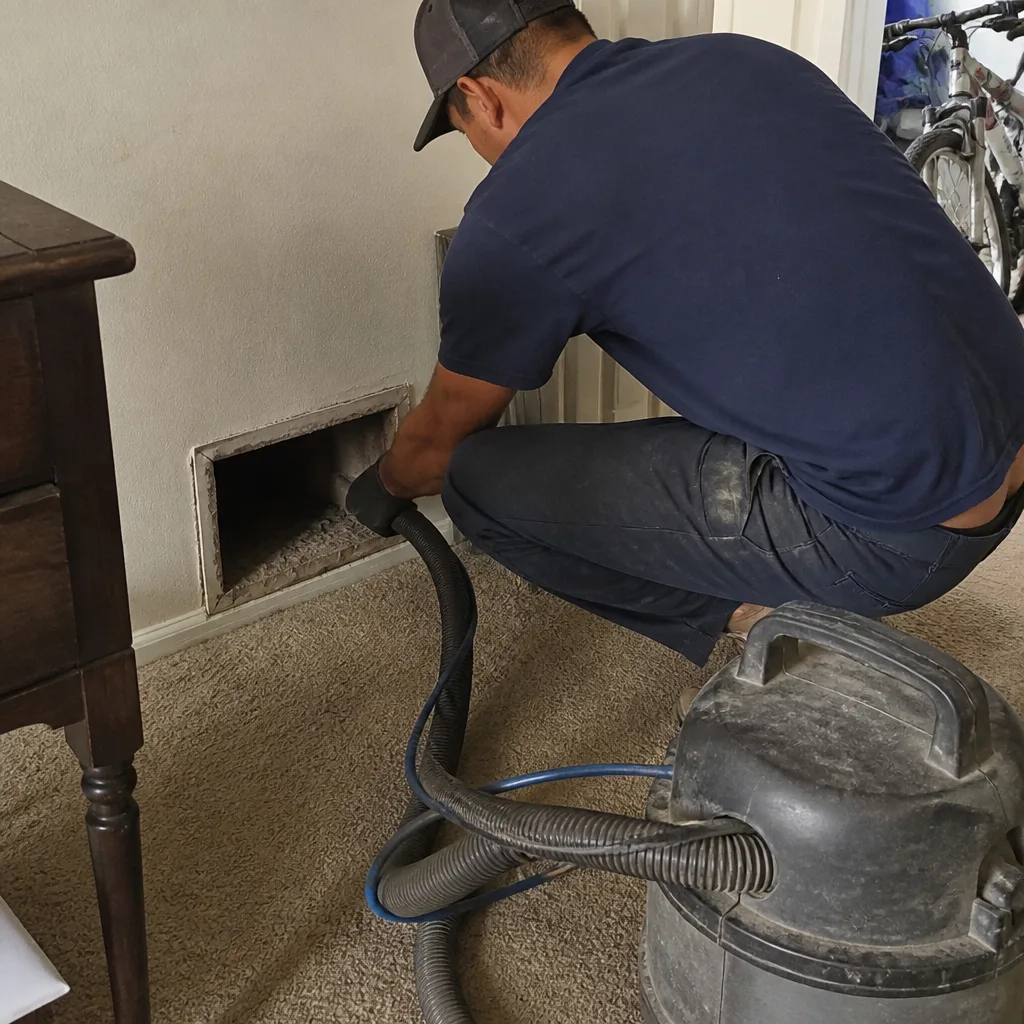 Before
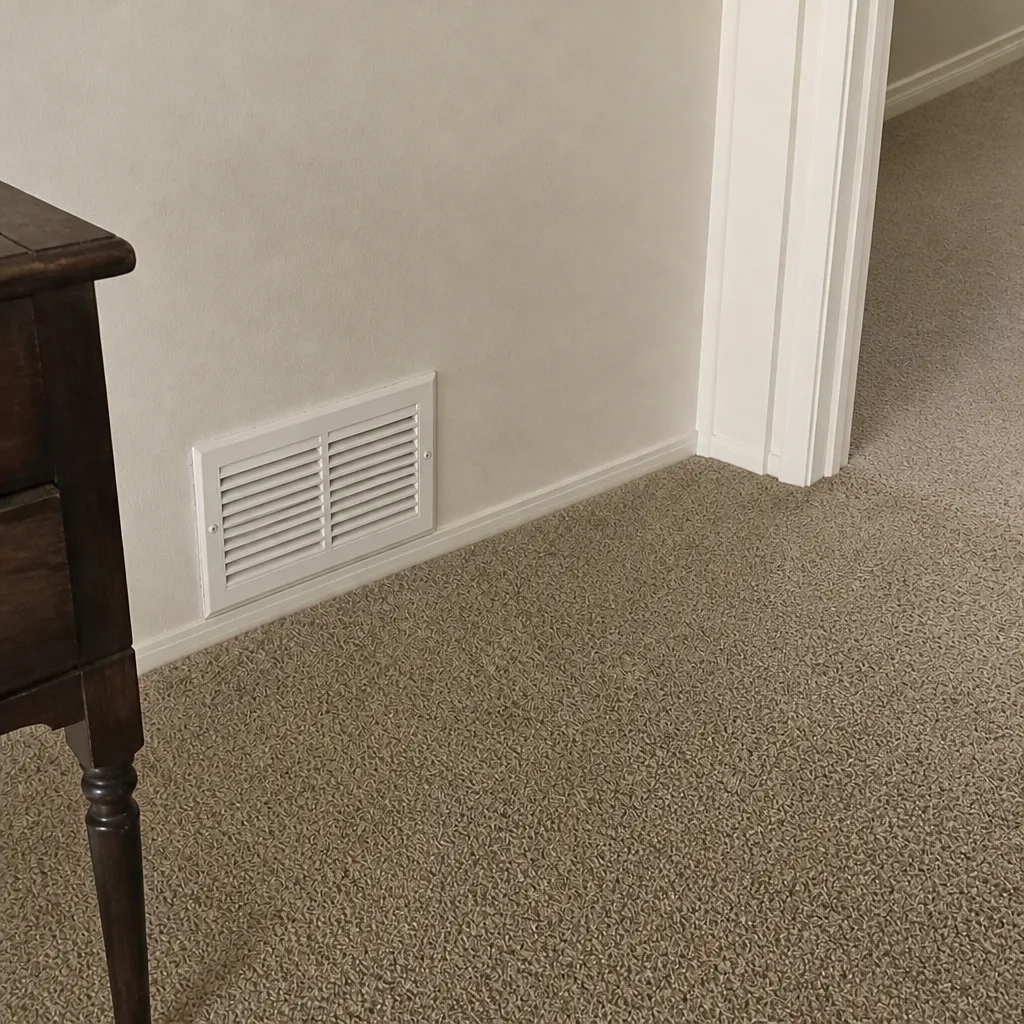 After
When to Call a Professional
Call for a professional inspection when any of the four triggers in this guide has occurred, when it’s been three years or more since the last cleaning, or when you notice symptoms: musty smell at system startup, visible dust puffs from registers, uneven airflow between rooms, allergy symptoms that worsen indoors, or a recent rodent sighting. Any of those is a signal the ducts need a look, and inspection is the right starting point. Orange Air Duct Cleaning Co covers the full air pathway in one call: ducts, dryer vents, HVAC equipment, duct repair and sealing, and air quality and sanitizing. Free estimates in Orange are available; call (855) 658-3734. We answer 24/7. Fast dispatch from 7am to 7pm, Sunday through Friday.
Frequently Asked Questions
For most Orange homes, air ducts should be professionally cleaned every 2 to 3 years, with inspection every 2 years. The 3-to-5-year guideline applies only to homes in near-ideal conditions with no pets, no renovation work, a well-maintained MERV 13 filter, and no significant smoke exposure. Most Orange households have at least one factor that compresses the interval, so budget for the shorter end. Call (855) 658-3734 for a free estimate tailored to your home.
Yes. Santa Ana winds in October and November push dry inland air, smoke, and particulate across the basin, and that particulate enters the home through returns and small openings even with windows closed. Fall is the most important filter-change checkpoint of the year in Orange, not spring. If your system hasn’t been cleaned in the last 12 months and you’ve lived through a significant smoke event, an inspection is worth scheduling.
It can extend the interval, but only if the filter is properly matched to your equipment. A MERV 13 filter captures a substantially higher share of fine particulate than a MERV 8 and slows duct contamination. But an oversized filter media in a system not designed for it chokes airflow and can shorten blower life. The right move is a matched upgrade through a product line – we install Honeywell and Aprilaire filtration components – not a filter swap on its own.
Schedule a professional duct inspection within 30 days of final cleanup. Drywall dust, sawdust, and construction debris enter the return system in volumes that a residential filter can’t keep up with. A full cleaning is usually the right call for any renovation involving demolition or major drywall work, even if the ducts were cleaned recently.
Yes, and it pays off twice: at home sale and at HVAC warranty claim. Buyers ask about system service history, and manufacturers review maintenance documentation before honoring some component failures. A simple log with dates, tasks, findings, and before-and-after photos covers both cases. Orange Air Duct Cleaning Co provides before-and-after photos as standard practice so the log stays well documented.
Ask for before-and-after photos of your own duct interiors, and verify the equipment being used. Contact cleaning with a brush-and-vacuum system physically removes debris; a surface blow-out just dislodges it. Look for a company using Rotobrush contact-cleaning equipment and negative-air containment, which keeps dislodged material from entering living spaces during the job. Call (855) 658-3734 to book an inspection with a written scope of work.
The Bottom Line
The 3-to-5-year guideline is a floor, not a schedule. Build a maintenance calendar around what actually drives contamination in your Orange home: pets, renovation activity, filter grade, rodent history, HVAC system changes, and the October-November Santa Ana wind season. Change filters on schedule, clean registers quarterly, and keep a simple log with dates and before-and-after photos so you have documentation when it matters. Schedule a professional inspection every 2 years and a full cleaning every 2 to 3 years for most homes – shorter if multiple triggers apply. The between-cleaning tasks are the ones most homeowners skip, and they make the biggest difference in how long the system stays clean.
For a full-system look at your ducts, dryer vent, HVAC, and air quality in one visit, we’re ready to help. Call Orange Air Duct Cleaning Co at (855) 658-3734 for a free estimate. We answer 24/7. Fast dispatch from 7am to 7pm, Sunday through Friday.
Written by the team at Orange Air Duct Cleaning Co.