
Last updated November 25, 2026
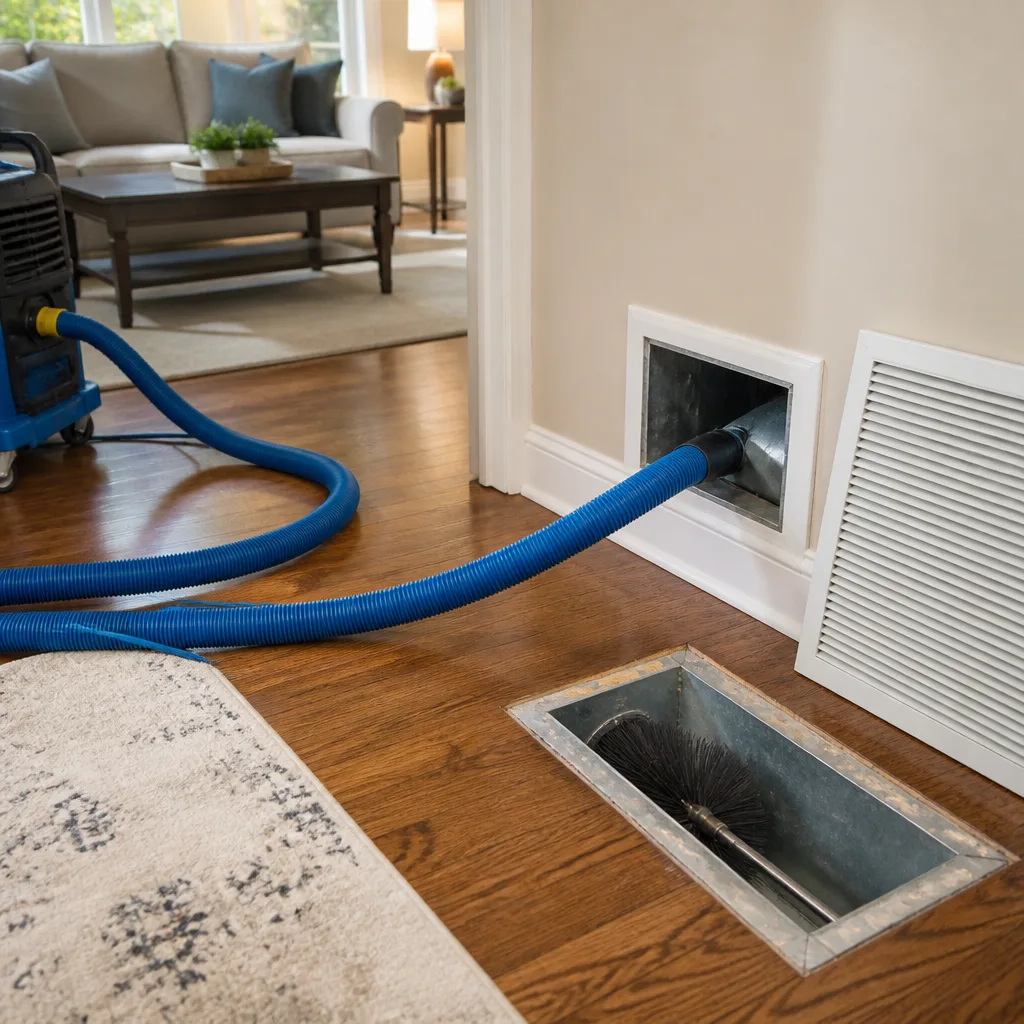 Whole-home duct cleaning
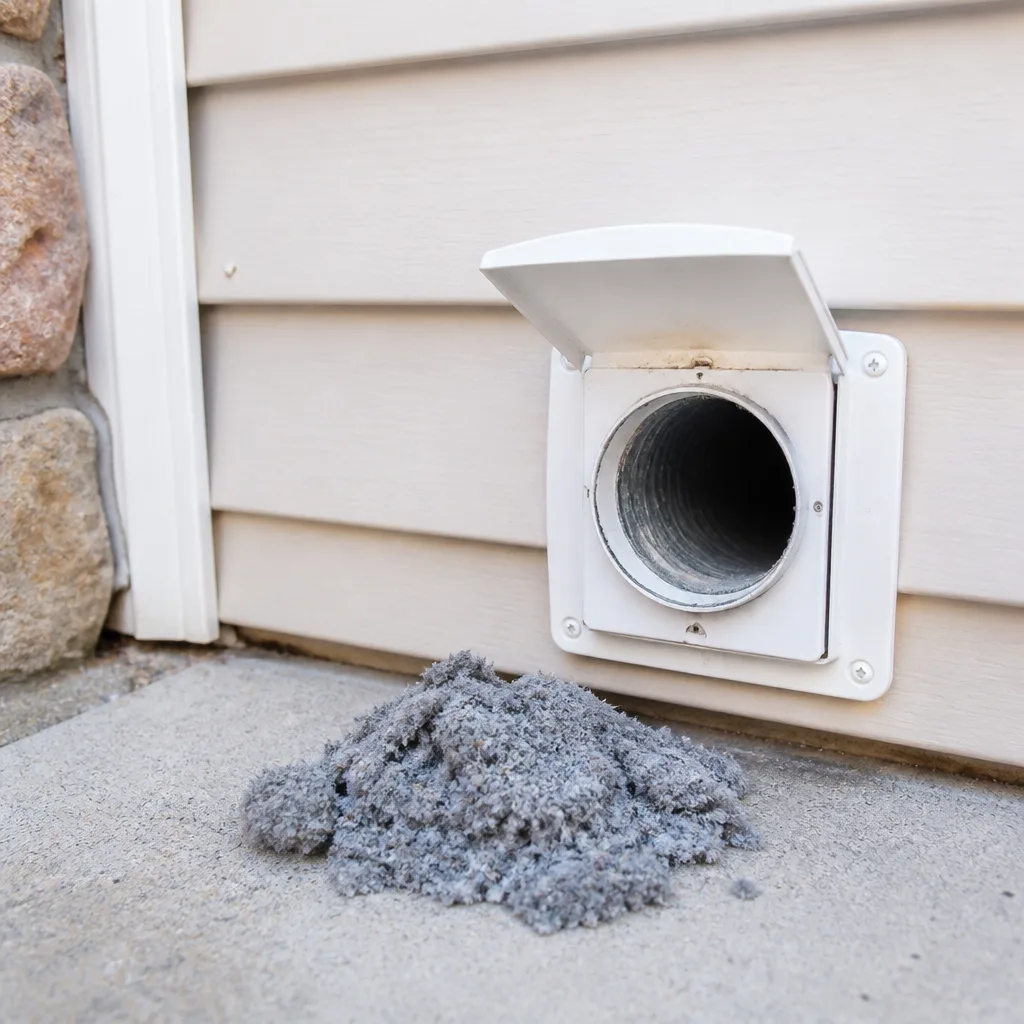 Dryer vent cleaning
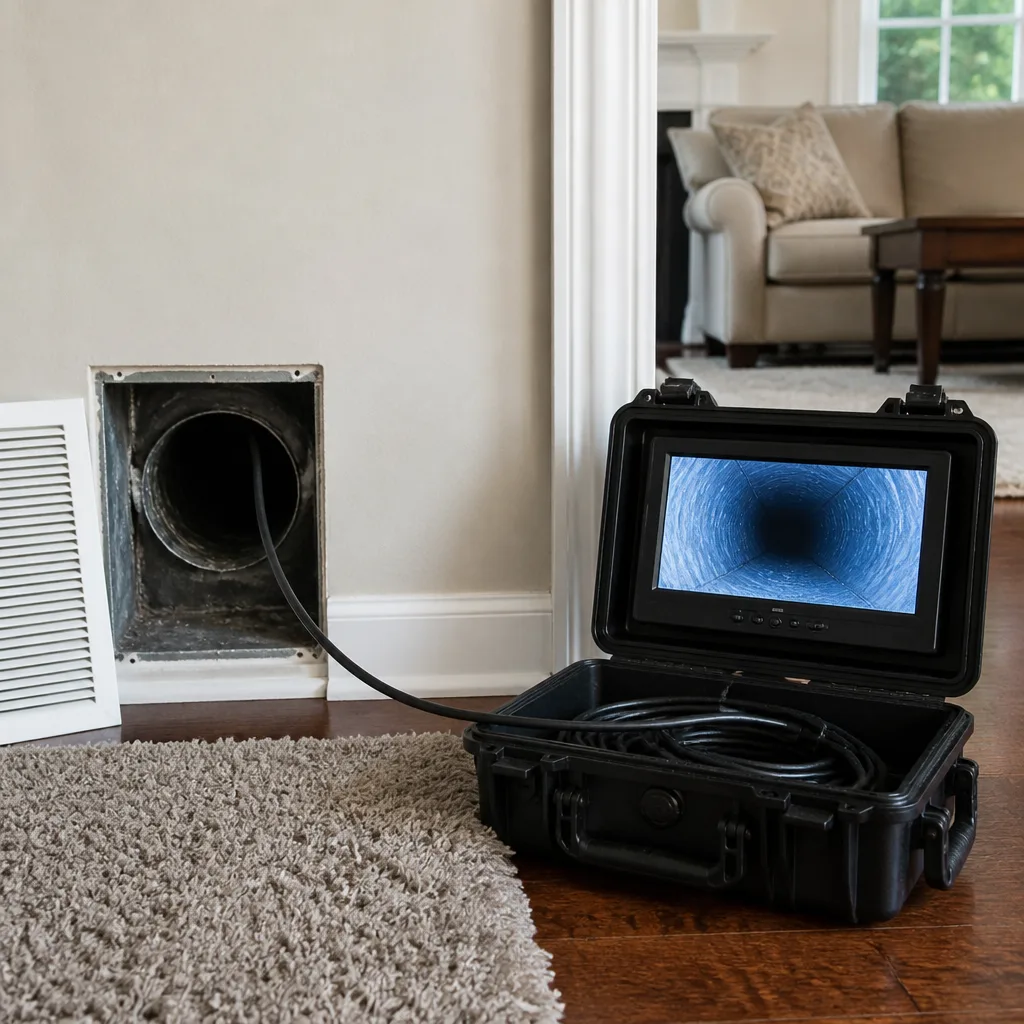 Camera inspection
 Sanitizing & deodorizing
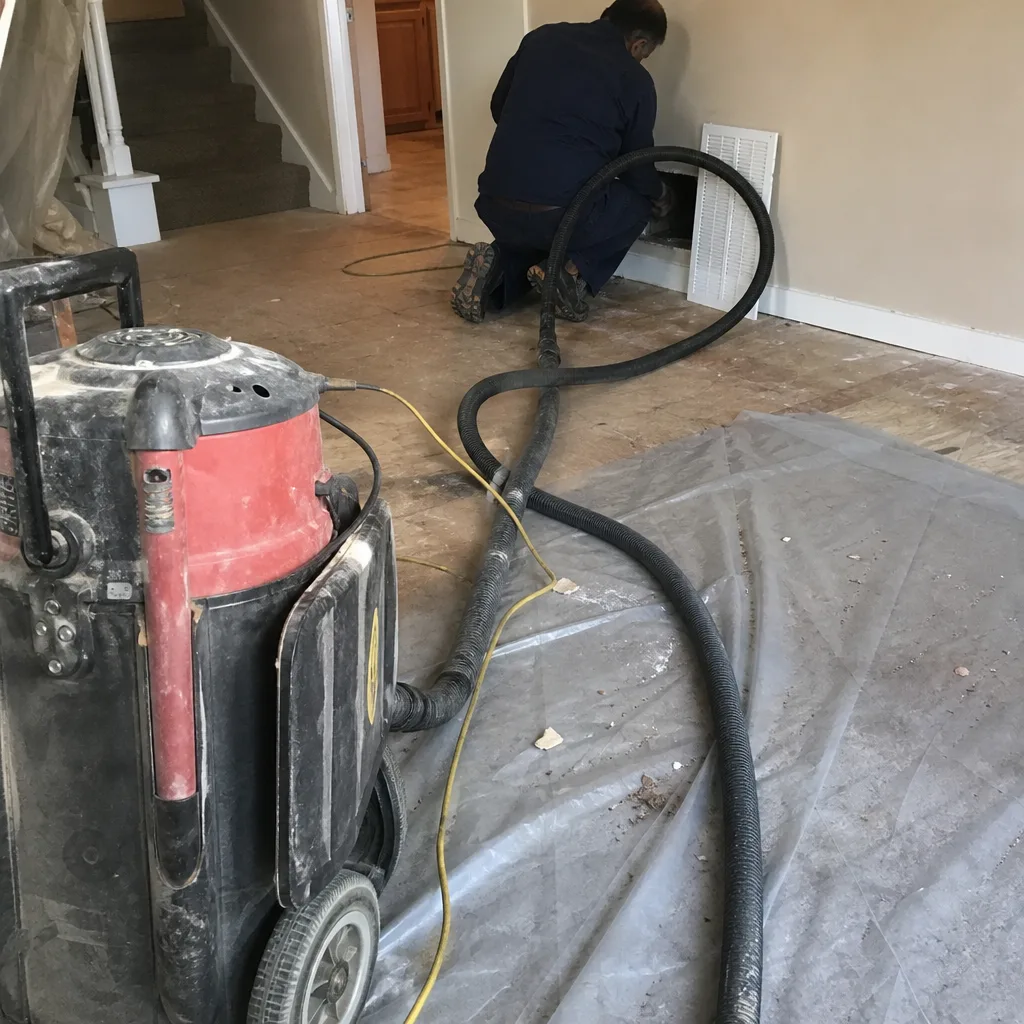
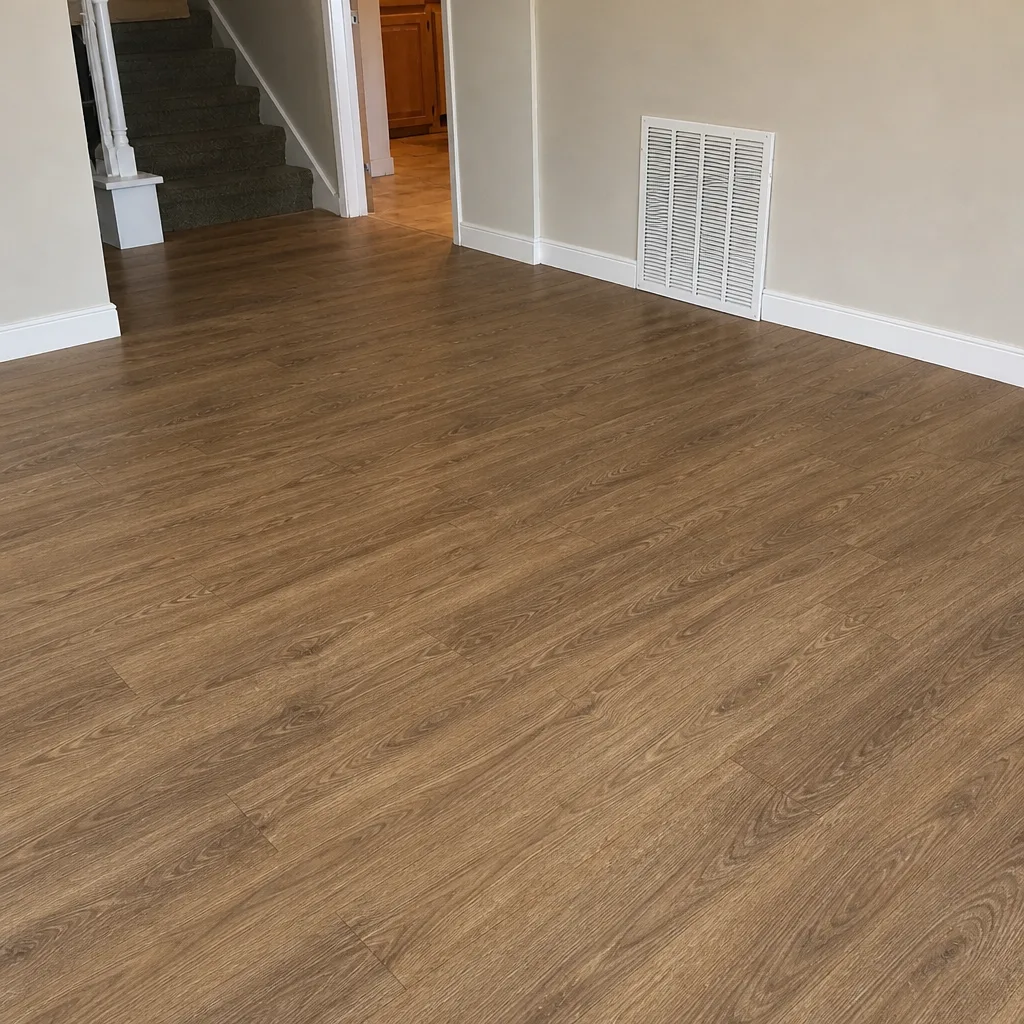
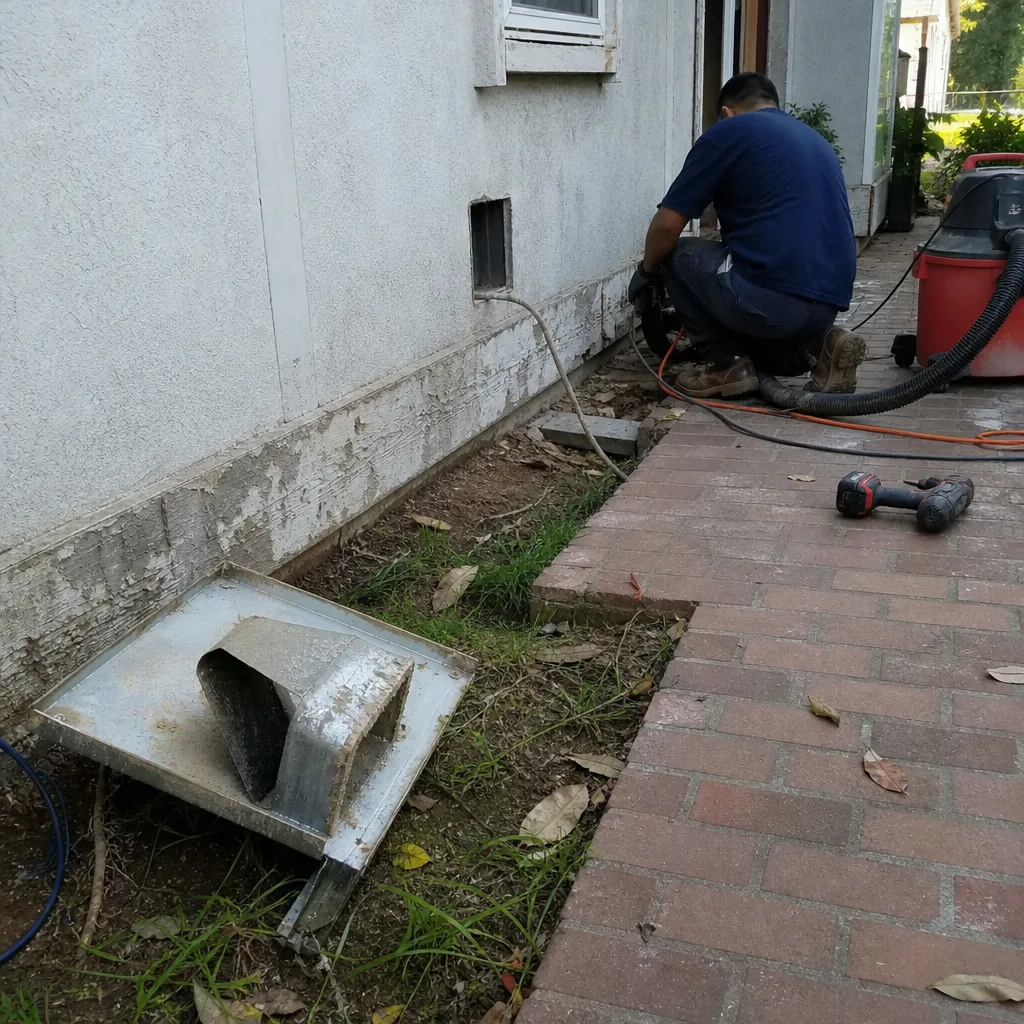
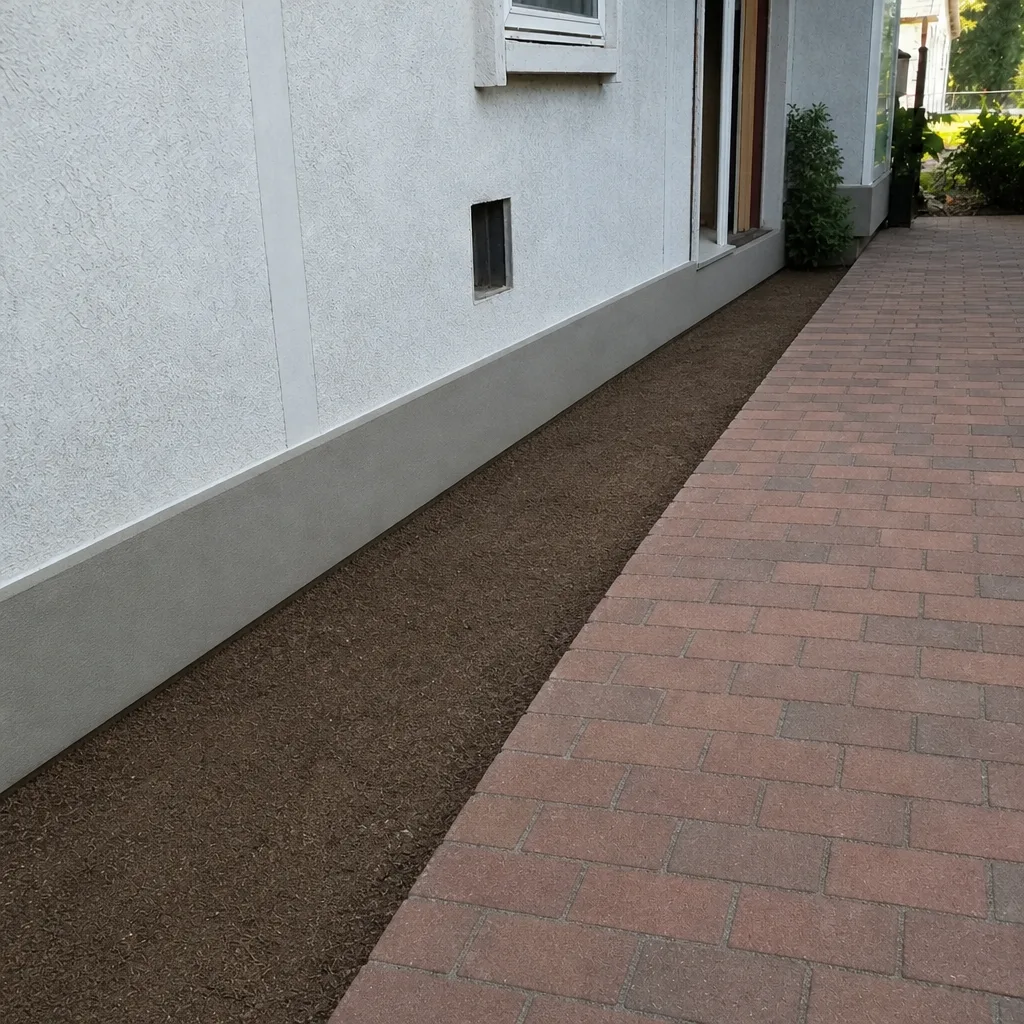
Whole-system duct and dryer vent check with before-and-after photos - you see exactly what came out of your vents
That "$99 whole-house special" is a bait ad - the real number appears once they are in your hallway, or the "clean" is a shop-vac at the register. We photograph the inside of your ducts before and after instead.
Air Duct Cleaning Emergency Preparedness Guide for Orange Homes
Most homeowners treat duct cleaning as a chore you get to eventually. That’s backwards. Your ducts are the one part of the house that records every bad air day and holds the evidence. During the 2020 California wildfire season, PM2.5 particulate levels in parts of Orange County reached 10 to 15 times the EPA’s 24-hour safe exposure limit. Every hour an HVAC system ran without a protocol pulled that air through the return, past the blower, and into the duct network, where fine ash and smoke residue settled onto surfaces that never see daylight. This guide covers what to do before a Smoke Advisory hits Orange, how to make the run-or-shut-it-down call during an event, and how to triage the system afterward. It’s written for homes in Orange and the surrounding county that sit downwind of wildfire smoke, high-wind dust events, and the seasonal air quality swings that come with both.
Quick Answer
When SCAQMD issues a Smoke Advisory for Orange County, shut the HVAC system down before smoke arrives and seal the return air filter housing with a MERV 13 filter ready to install. If you must run the system during an event, run it in recirculation mode only, never with the fresh-air intake open. After the event, a full system clean is warranted if the system ran for more than a few hours during heavy smoke; a targeted filter and coil-face inspection covers shorter exposure. Call (855) 658-3734 for a free post-event inspection estimate in Orange.
Styles & brands we work with
- Whole-home duct cleaning
- Dryer vent cleaning
- Camera inspection
- Sanitizing & deodorizing
Table of Contents
- Pre-Event Protocol: What to Do Before Smoke Arrives in Orange
- During the Event: Recirculation vs. Shutdown Decisions
- What MERV Rating Actually Protects You (and What Doesn’t)
- The Three Components Wildfire Smoke Hits Hardest
- Post-Event Triage: Full Clean or Targeted Replacement?
- Documentation for Insurance After a Declared Event
- Other Emergencies That Put Debris in Your Ducts
- Common Mistakes to Avoid
Pre-Event Protocol: What to Do Before Smoke Arrives in Orange
The window between a Smoke Advisory and actual smoke infiltration in Orange is usually a few hours. That’s enough time to run a short, deliberate checklist. The point isn’t to weatherproof the house. It’s to stop your duct system from becoming the reservoir that feeds smoke back into living space for weeks.
Here’s the sequence we recommend:
- Check the SCAQMD advisory and local air quality readings. The South Coast Air Quality Management District issues Smoke Advisories that cover Orange County, and the news usually reaches you before the smoke does. Treat the advisory as your starting gun.
- Shut down the HVAC system completely. Turn off the thermostat at the wall, not just the fan setting. Constant fan mode is the worst possible setting during a smoke event because it keeps pulling unfiltered air through the return while the compressor is off.
- Close fresh-air intakes. If your system has an economizer, fresh-air damper, or HRV/ERV, close it. Many Orange homes built in the last two decades have a fresh-air intake tied to the return, and that intake is a direct pipe for smoke.
- Upgrade the return filter. A MERV 13 filter is the practical ceiling for most residential systems. Higher than that and you start choking airflow; we’ll get to that in the MERV section.
- Seal the filter slot and any obvious gaps. A filter slot that isn’t snug is a bypass. Foil tape is fine for a short event.
- Close windows and exterior doors. Obvious, but easy to forget when the smoke hasn’t arrived. Once it has, don’t open them to “air out” the house until the advisory lifts.
If you’re not sure whether your system has a fresh-air intake or how to close it, this is exactly the kind of question worth asking before an event rather than during one. Our air duct cleaning technicians walk through the full system on every visit and can flag the components that need shutting down in a smoke event. The time to learn your system’s layout is now, not when the sky is orange.
One local consideration: Orange has a lot of homes from the post-war era whose ductwork was retrofitted decades later. Those systems often have mismatched return sizes, loose joints, and filter housings that don’t sit flush. During a smoke event, every gap in that ductwork works against you. Sealing isn’t a routine need, but it’s worth knowing the state of your duct integrity before an event, so you know where your weak points are. If you’ve never had the system looked at, that’s a good reason to schedule an inspection before fire season.
During the Event: Recirculation vs. Shutdown Decisions
Once smoke is in the air, the question shifts from preparation to judgment. Should you run the HVAC at all? The answer depends on three factors: the outdoor air quality reading, how long the event is expected to last, and what filter is installed in your system.
The simple version: if the AQI is above 150 and the system doesn’t have at least a MERV 13 filter with sealed edges, shut it down. A system running with a low-grade filter during a smoke event does more harm than good. It pulls smoke through the return, and some of it never reaches the filter. It passes through the blower wheel and into the supply ducts, where it deposits.
If the AQI is between roughly 100 and 150, and you have a MERV 13 filter with a clean install, running in recirculation mode is a reasonable call. Recirculation means: no fresh-air intake, no economizer cycle, thermostat in “auto” fan (not “on”), and the system running only when heating or cooling is called for. The filter catches what it can, and the house stays pressurized enough to resist infiltration through gaps.
If the AQI is above 150, shut down and rely on closed windows and an interior air purifier if you have one. Yes, your house will get warm. That’s a cheaper outcome than a contaminated duct network. Smoke residue is an oily, fine, sticky mess that adheres to duct surfaces and doesn’t blow out on its own. Once it’s inside, it stays until it’s physically removed.
A few decisions worth making in advance:
- Keep a spare MERV 13 filter on hand in the original packaging. During a major event, filters disappear from shelves for days.
- Know your system’s fresh-air setup. If you can’t identify it, close the closest thing to it and call us.
- Don’t run bathroom and kitchen exhaust fans during a smoke event unless you have to. They depressurize the house and pull outdoor air in through gaps.
- Check the filter daily during a multi-day event. A dark grey filter has done its job and should be replaced.
This is the same logic we apply on any HVAC cleaning job in Orange: understand what the system has been through, then clean to match. A house that rode out a five-day smoke event on a MERV 11 filter has a different recovery need than one that was shut down the whole time.
What MERV Rating Actually Protects You (and What Doesn’t)
MERV ratings are the one number homeowners hear most and understand least. A MERV 8 filter is essentially a dust and lint catcher. A MERV 13 filter captures the fine particulate in smoke, which is in the PM2.5 range and smaller. The difference is real and it matters.
Here’s what each level gets you, practically:
- MERV 1 to 4: Basic dust. No meaningful protection against smoke.
- MERV 5 to 8: Better dust, pet hair, some larger allergens. Still weak against PM2.5.
- MERV 11: Meaningful particle capture, including some fine particulate. A reasonable baseline for most homes in Orange on a normal year.
- MERV 13: The highest practical rating for most residential systems. Captures most fine smoke particulate and much of the residual ash. This is the filter to install before a Smoke Advisory.
- MERV 14 and up: Often too restrictive for a standard residential blower. Running one can starve airflow, overheat the system, and create a pressure problem that pulls unfiltered air in through duct leaks.
Two false securities worth calling out. First: filter thickness doesn’t equal MERV. A 4-inch pleat filter at MERV 8 is not better than a 1-inch filter at MERV 13. Depth is about surface area and service life, not filtration. Second: a filter installed in a leaky slot is not doing its rated work. If air is bypassing around the filter frame, the smoke gets around too. Sealing the filter housing edges with tape or a gasket is a cheap upgrade that pays off during every future event.
This is where product capability matters. We work with Honeywell and Aprilaire filtration systems because they’re engineered for residential duct layouts and give you a properly sized housing rather than a filter that fits “close enough.” A Honeywell or Aprilaire media cabinet gives you a tight, sealed filter slot rated for the right MERV level for your system. That’s a meaningful improvement over a standard return grille with a home-store filter pressed into it, especially during a smoke event.
The Three Components Wildfire Smoke Hits Hardest
Smoke doesn’t distribute evenly through an HVAC system. Three components absorb most of the contamination, and each needs a different cleaning method. This matters because a “blow-out” job that just shoots air through the ducts doesn’t clean any of them.
The Evaporator Coil Face
The evaporator coil sits in the air handler, and it’s the first wet surface smoke particulate hits. When the system runs in cooling mode, the coil is wet, and fine particulate sticks to it like pollen to a windshield. Over an event, the coil face can load up with a grey-brown film that cuts heat transfer, lowers capacity, and supports microbial growth. It cannot be cleaned by vacuuming the ducts. It has to be cleaned at the coil, with a coil-specific cleaning solution and a soft brush, and it’s a job that has to be done carefully because the fins are thin and easy to bend.
The Return Air Filter Housing
The filter housing is the containment point. If it’s tight, smoke gets caught there. If it’s loose, smoke slips around the filter and goes into the blower. In our experience, the filter housing is where most homes have the biggest gap between assumption and reality. Homeowners assume the filter is “doing its job”; the housing is often bypassing 20 percent or more of the air. Post-event cleaning means vacuuming the housing with negative-air containment, wiping down the interior, and sealing the edges before installing a fresh filter.
The Blower Wheel
The blower wheel is a centrifugal fan with blades that accumulate a sticky layer of fine particulate. Smoke binds to the blade surfaces and throws the wheel out of balance, which shows up as vibration, noise, and wear on the motor bearing. It’s not visible without removing the blower assembly, which is why it gets skipped on cheap cleanings. Cleaning it requires pulling the assembly, brushing the blades individually, and rebalancing. It’s a labor-intensive step, and it’s the one component that determines whether a post-event cleaning actually solves the problem or just delays it.
All three components need to be addressed in one job. A post-event cleaning that skips the coil face, the filter housing, or the blower wheel is a surface job, not a verified clean. The Orange Air Duct Cleaning Co process covers all three as standard, because that’s what a smoke event actually contaminates.
Post-Event Triage: Full Clean or Targeted Replacement?
Not every smoke event requires a full system clean. The decision comes down to three variables: how many hours the system ran during the event, how high the outdoor PM2.5 reading went, and how well-sealed the duct system is. Here’s how we think about it.
Light exposure (system shut down for the event, shorter duration, filter changed after): a filter replacement, a filter housing wipe-down, and a visual inspection of the coil face. If the coil face looks clean and the filter caught the load, you’re done.
Moderate exposure (system ran a few hours in recirculation mode, filter caught most of the load, but the event lasted more than a day): filter replacement, coil face cleaning or inspection, blower wheel check, and a vacuum of the return side of the ductwork. This is a mid-tier job.
Heavy exposure (system ran continuously through an event, filter was MERV 8 or lower, or the system has known duct leaks): full system clean. That means contact cleaning through the supply and return, coil face cleaning, blower wheel cleaning, filter housing work, and sanitizing of the treated surfaces. This is a professional job, not an owner-doable one.
A triage checklist:
- Inspect the filter. If it’s grey-black and heavy, the system absorbed a real load. If it’s still mostly light-colored, the load was light.
- Look at the return grille. Dark streaking around the edges of the grille means bypass. That means more contamination reached the blower than the filter caught.
- Smell the supply registers in the first few minutes after the system starts. A faint campfire or ashtray smell is a signal the ducts need a clean.
- Check the filter housing edges. Run a finger around the filter frame. If there’s visible greying past the filter, bypass happened.
- Watch for a change in airflow. If airflow dropped noticeably during or after the event, the coil face or filter is loaded up.
We see this triage question a lot in Orange the week after a Smoke Advisory lifts. Some homes need a full clean, and some just need a filter and a housing wipe. We tell people which is which before we touch anything, and the written estimate sets the price. If a job doesn’t need a full clean, we say so.
Documentation for Insurance After a Declared Event
If a wildfire event in Orange County is declared a disaster by the state or federal government, some homeowner policies will cover smoke-related remediation work, including duct cleaning. Filing a claim isn’t about arguing with the insurance company. It’s about having the documentation they need before you call.
A proper post-event inspection report should include:
- Date and scope of inspection with the technician’s findings on each component (return housing, coil face, blower wheel, supply ducts, exhaust outlets).
- Before-and-after photographs of each component, from the same angle, so the difference is verifiable. The photos should be of your system, not a stock image.
- Filter documentation: the MERV rating that was in place during the event, plus the replacement filter’s rating and install confirmation.
- Contamination assessment in plain language: what was found, where, and how heavy the deposit was. Avoid vague language like “some debris.”
- Recommended scope of work that matches what was actually found. If the report says full clean, it should say why full clean and not filter replacement.
- Equipment record: what equipment was used on the cleaning (Rotobrush contact cleaning, Nikro negative-air extraction, sanitizing spec). Insurers want to know the work was done to spec.
We’re often asked what “counts” as adequate documentation. The short answer: a report an adjuster can read in three minutes and match to your photos. That’s the standard we write to. If a component wasn’t inspected, the report says so, because a claim built on a report that overstates the scope is a claim that gets denied.
Pre-event documentation is worth keeping too. A simple dated photo of your filter and return housing before fire season gives you a baseline. If you ever need to file, that before-shot is your best evidence that the contamination happened during the event and not before it.
Other Emergencies That Put Debris in Your Ducts
Wildfire smoke is the highest-profile duct contamination event in Orange, but it’s not the only one. Three others come up in Orange homes regularly, and each has its own protocol.
High-wind dust events. Santa Ana wind events can push fine dust and dry soil into homes through gaps and fresh-air intakes. The dust load is usually coarser than smoke and easier to filter out, but the volume matters. A MERV 11 filter and a post-event inspection usually covers it. Full clean is warranted only if the system ran through a multi-day event with a low-grade filter in place.
Construction and renovation dust. Remodels in Orange are constant, and drywall dust in particular is fine enough to slip past cheap filters and coat the blower wheel and coil face. If a renovation happened in your home without a duct seal-off protocol, the system absorbed a load. This is a case where Abatement Technologies equipment matters, because drywall dust is a heavy, fine, contaminating load that needs containment and HEPA-level extraction rather than a simple vacuum.
Dryer vent incidents. Lint accumulation in a dryer vent is a fire hazard, and it’s a different kind of duct emergency. If you notice that clothes are taking longer to dry, the outside vent flapper doesn’t open fully, or there’s heat buildup around the dryer, stop using it until the vent is cleaned. Dryer vent cleaning removes the lint load and restores the airflow the appliance needs.
Post-event cleaning for all three follows the same logic: assess what the system absorbed, then clean to match. Any Orange Air Duct Cleaning Co visit starts with that assessment. We use Rotobrush contact cleaning for the ducts themselves, Nikro negative-air machines to keep the work area contained, and Abatement Technologies equipment on heavy-contamination jobs. Guardsman-grade surface protection keeps your home’s interior protected while the work happens. That’s the same approach we’d bring to a commercial remediation, applied to a residential job.
Common Mistakes to Avoid
- Running the system with the fan set to “on” during a smoke event. Constant fan mode is the single worst setting during smoke. It keeps pulling unfiltered return air through the blower and into the supply ducts long after the filter is loaded. Switch to “auto” or shut the system off entirely.
- Assuming a MERV 8 filter is “good enough.” It isn’t, not for smoke. MERV 8 catches dust and hair, but the fine PM2.5 particulate in wildfire smoke passes right through. The upgrade to MERV 13 is the difference between the filter catching the load and the ducts catching it.
- Skipping the blower wheel on a post-event clean. The cheap version of a post-event clean vacuums the supply ducts and calls it done. The blower wheel, coil face, and filter housing are where the actual contamination sits. A clean that skips them doesn’t solve the problem.
- Opening windows to “air out” the house during a Smoke Advisory. It feels logical, and it’s the opposite of what the house needs. Opening the windows equalizes indoor air with outdoor air, which is exactly the load you’re trying to keep out. Wait for the advisory to lift.
- Trusting a low teaser price on a post-event cleaning. The cheap quote is usually a supply-side blow-out that skips the coil, blower, and filter housing, then adds line items on-site. A written estimate before work starts, covering the full scope, is the way to avoid that pattern.
- Filing an insurance claim with no documentation. If you clean the system first and try to file later, you’ve removed the evidence. Photograph the filter, the return housing, and the coil face before cleaning, and get a proper inspection report before any work is done if you plan to file.
- Waiting until the next fire season to think about this. Pre-event preparation is cheap. Post-event recovery is not. A MERV 13 filter, a sealed housing, and a clear shutdown plan cost almost nothing to set up and pay for themselves the first time Orange gets a real Smoke Advisory.
See the difference
 Before
 After
 Before
 After
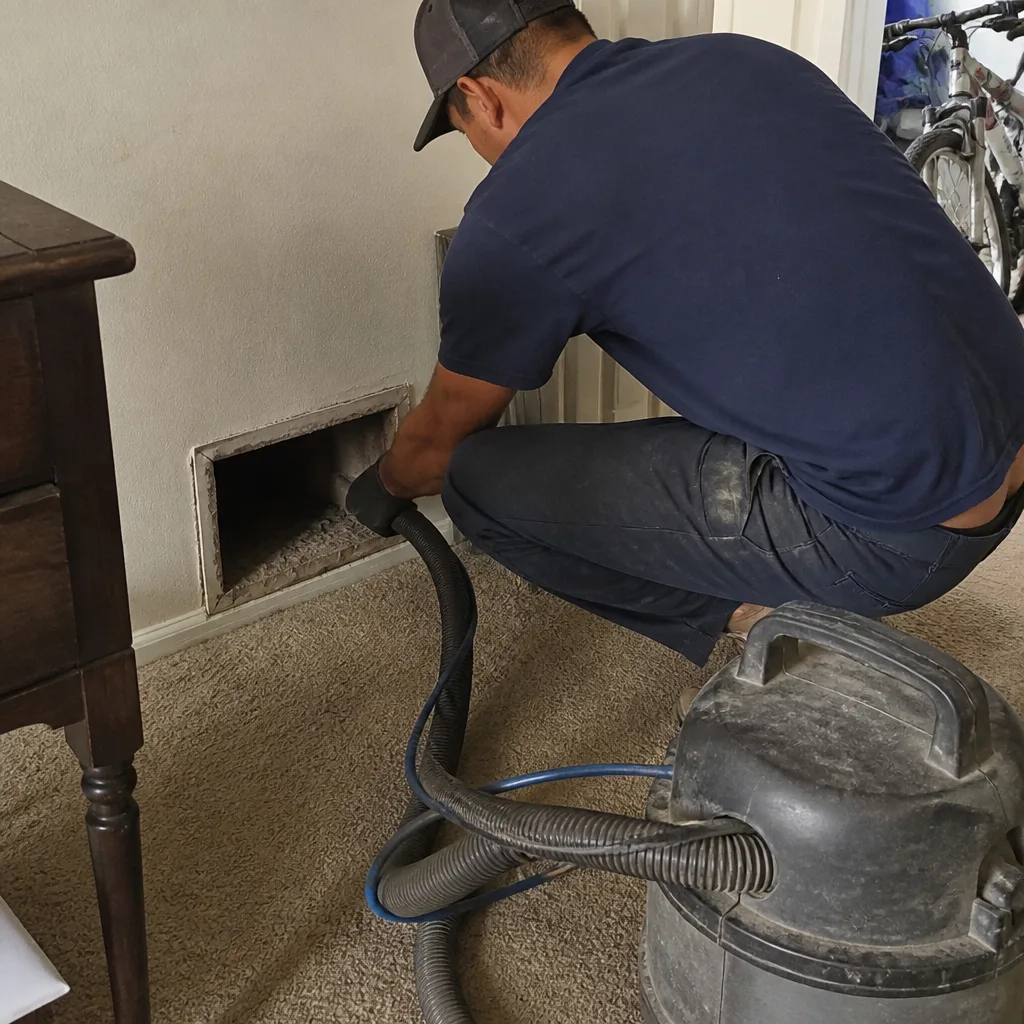 Before
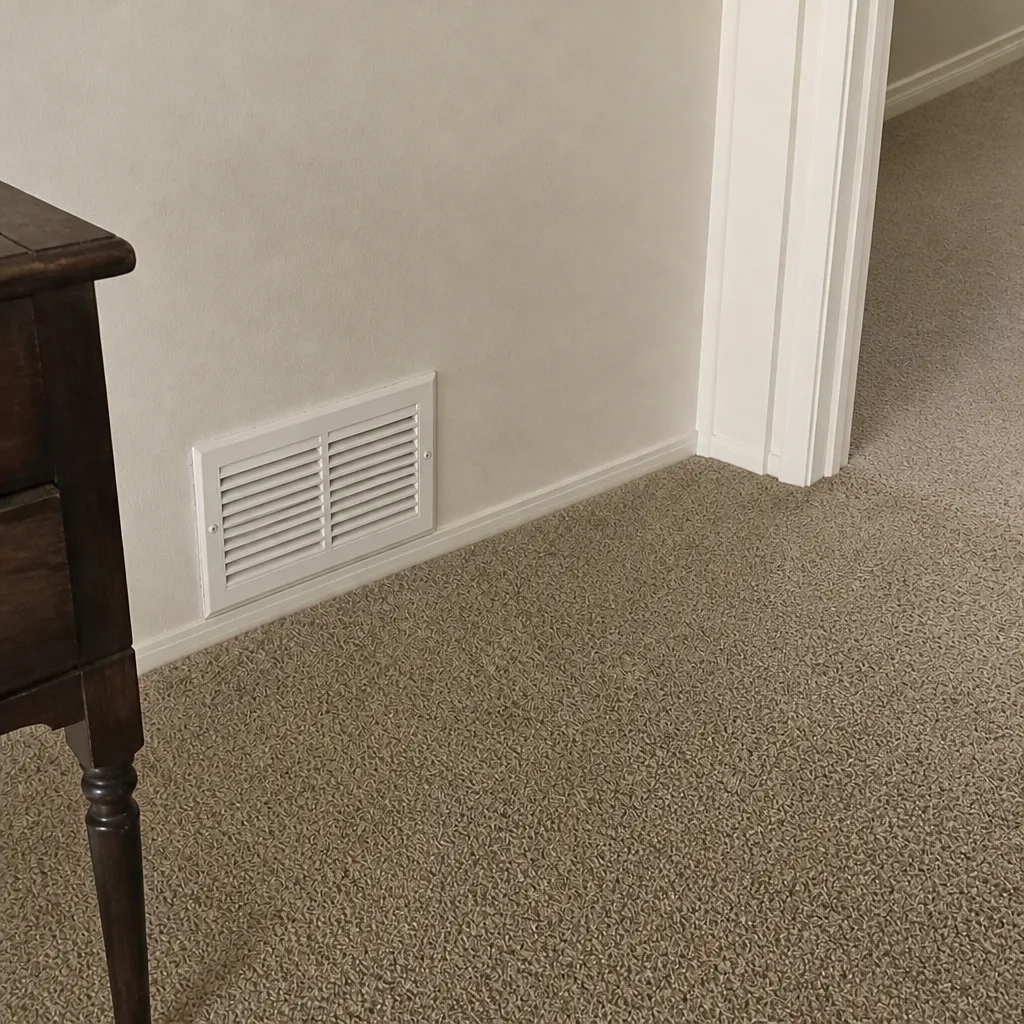 After
When to Call a Professional
Some post-event steps are homeowner-doable: filter replacement, filter housing tape, thermostat shutdown. Others require professional equipment and training. Call us if any of the following is true: the system ran through a multi-day smoke event with a filter below MERV 13; there’s a smoky or ashtray smell from the supply registers; you see dark streaking around the return grille edges; airflow dropped noticeably after the event; you’ve had a renovation without a duct seal-off, or you haven’t had the system inspected in years and want a baseline before the next event.
For any of those, the next step is a free estimate. Orange Air Duct Cleaning Co offers free estimates in Orange, and we’ll tell you honestly whether you need a full clean or a filter replacement. Call (855) 658-3734. We answer 24/7. Fast dispatch from 7am to 7pm, Sunday through Friday.
Frequently Asked Questions
If your HVAC system ran for more than a few hours during a heavy smoke event with a filter below MERV 13, a professional clean is usually warranted within two to four weeks. The contamination doesn’t “settle out” or clear on its own. Fine smoke particulate is sticky and adheres to the coil face, blower wheel, and duct surfaces. The longer it sits, the more it can support odor and microbial growth. Call (855) 658-3734 for a free estimate and we can triage it over the phone.
A filter replacement is enough for light exposure, typically when the system was shut down for the event or the run time was short. It is not enough if the system ran through the event, the filter was low-grade, or the duct system has known leaks. In those cases, the filter caught some of the load and the coil face, blower wheel, and supply ducts caught the rest. A filter is $20; a coil and blower are not, and skipping the clean just delays the cost.
It can, if the event has been declared a disaster and the policy includes smoke-related remediation coverage. The key is documentation: a professional inspection report with before-and-after photos and a clear scope of work is what an adjuster needs to process a claim. We write our post-event reports to that standard. Call (855) 658-3734 before cleaning if you plan to file, so the pre-clean evidence is preserved.
A MERV 13 filter with sealed housing edges is the practical target for wildfire season in Orange. Higher than that can starve airflow on a residential blower, which causes its own problems. Lower than that lets fine PM2.5 particulate past the filter and into the duct. Pair the filter with a properly sized housing. A Honeywell or Aprilaire media cabinet gives you a tight, sealed slot, which is the difference between a filter that works and one that bypasses.
A cleaning that dislodged contamination without capturing it can leave fine particulate suspended in the duct, where it settles back onto surfaces and continues to emit odor. The fix is containment during the work: negative-air machines like the Nikro units keep the particulate contained and evacuated rather than redistributed, and a post-clean sanitizing step addresses the microbial and odor load at the surface. If a cleaning made the smell worse, the work was incomplete. Call (855) 658-3734 for a second assessment.
Every two to four years is a reasonable baseline for most Orange homes. Move closer to two years if you have pets, a recent renovation, or allergies. Smoke events add to the schedule. Each significant exposure is a reason to inspect, and the inspection tells you whether the system needs a full clean or a filter change. The habit worth building is annual inspection before fire season, so you know the system’s condition going in.
The Bottom Line
Wildfire season in Orange doesn’t give you a warning window, but it does give you a checklist. Shut the system down when a Smoke Advisory hits. Run a MERV 13 filter with a sealed housing. Run recirculation only, never fresh-air, if the system has to run at all. After the event, triage by run time, filter rating, and duct integrity. Then clean to match the contamination: full system clean for heavy exposure, targeted filter and coil inspection for light exposure. Document before you clean if you plan to file a claim. Pre-event preparation costs a filter. Post-event recovery costs a system. That’s the whole logic of this guide, and it’s the reason we take post-event work seriously in Orange. The duct network records what the sky throws at the house. Our job is to record it accurately and clean it comprehensively.
If you want a baseline inspection before the next fire season, or a post-event assessment after a smoke event, that’s a free estimate. Call (855) 658-3734. We answer 24/7. Fast dispatch from 7am to 7pm, Sunday through Friday. One flat price per system, agreed before work starts, with before-and-after photos of your own ducts so you can see what changed.
Written by the team at Orange Air Duct Cleaning Co.