
Last updated November 25, 2026
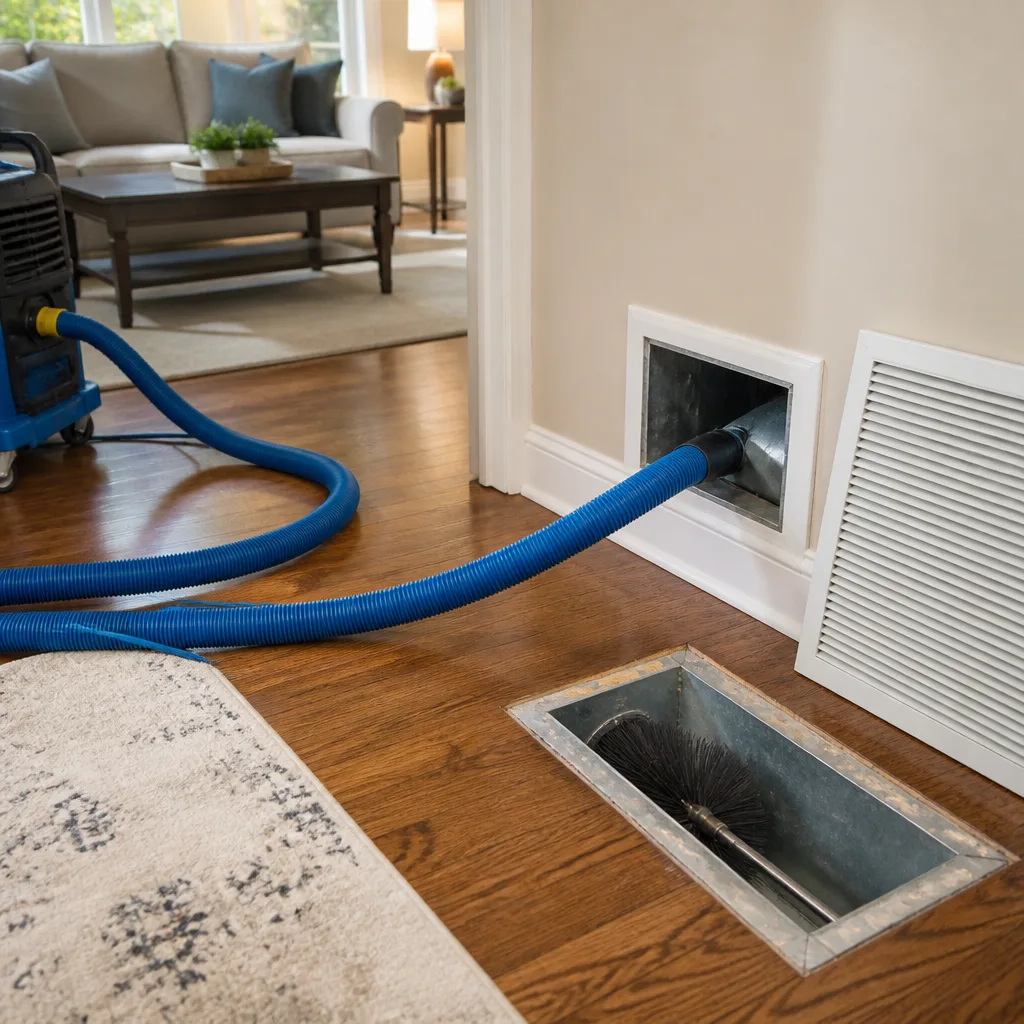 Whole-home duct cleaning
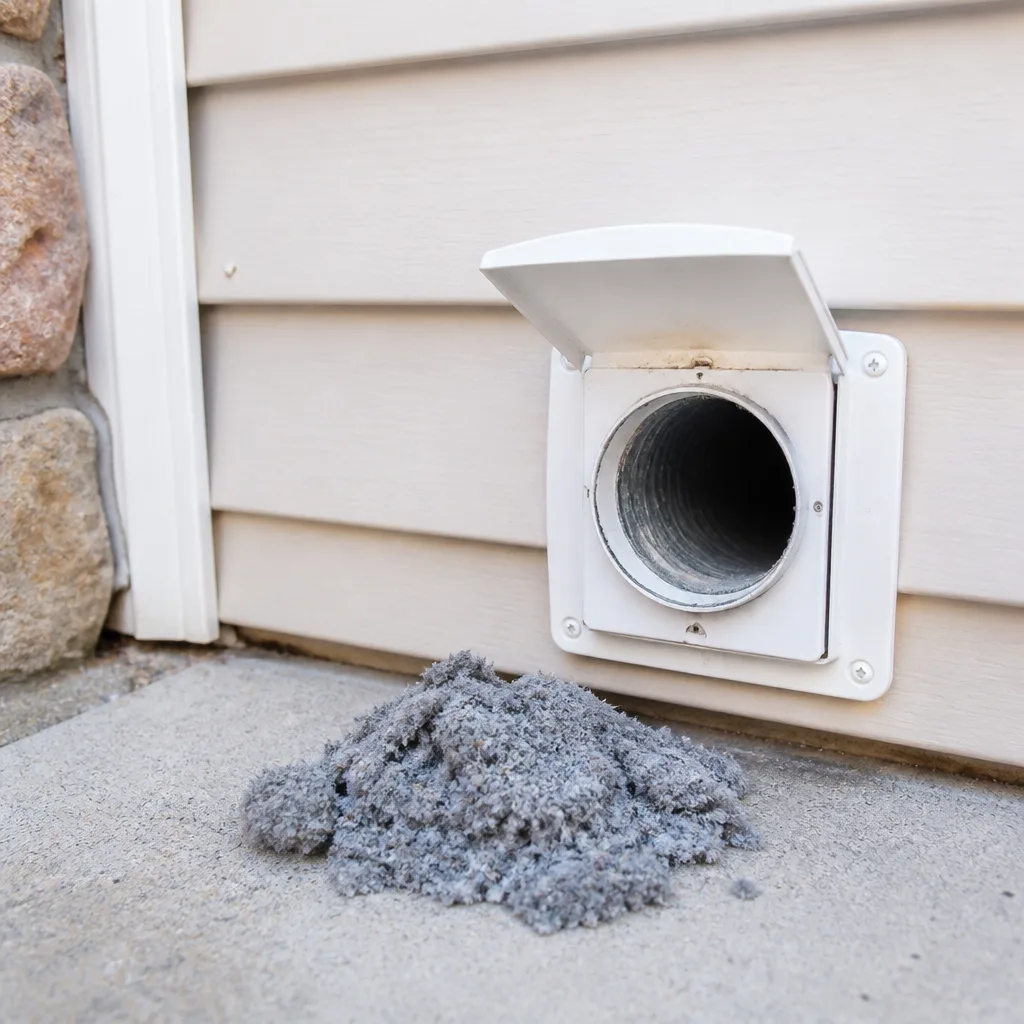 Dryer vent cleaning
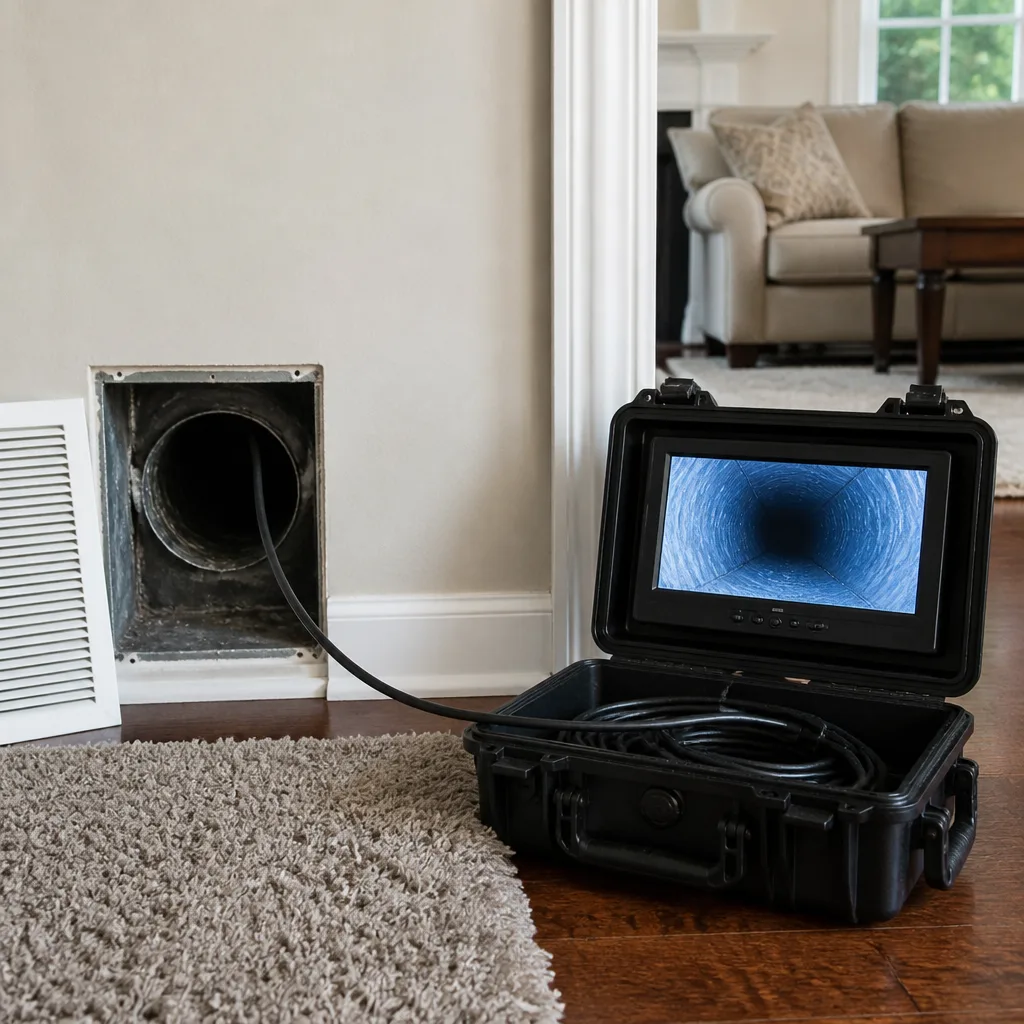 Camera inspection
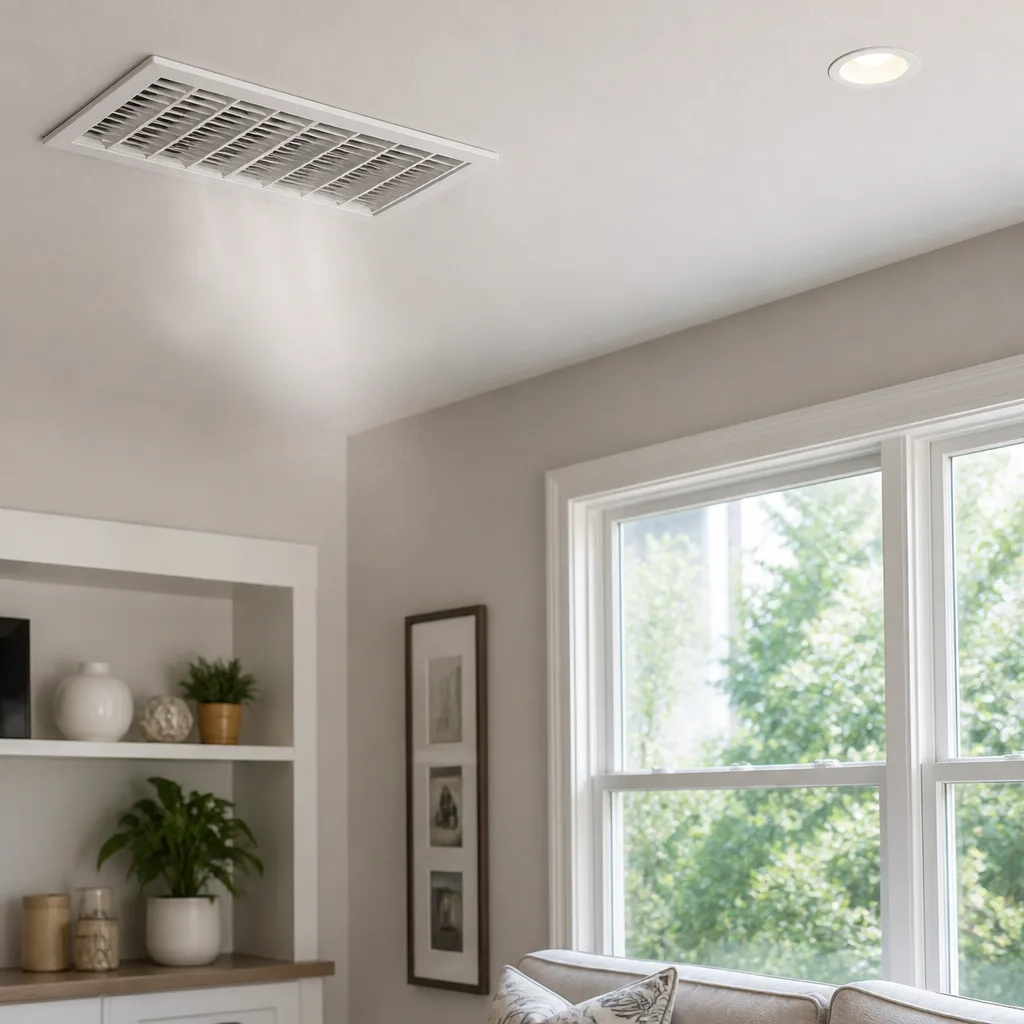 Sanitizing & deodorizing
Whole-system duct and dryer vent check with before-and-after photos - you see exactly what came out of your vents
That "$99 whole-house special" is a bait ad - the real number appears once they are in your hallway, or the "clean" is a shop-vac at the register. We photograph the inside of your ducts before and after instead.
Air Duct Cleaning Cost Breakdown: The Orange Homeowner’s Reference for 2026
Most Orange homeowners think duct cleaning quotes are all over the map because companies charge whatever they can get away with. The truth is more useful: the spread reflects scope. A $99 quote and a $1,200 quote can describe the same 2,000 square foot house, and the gap usually comes down to what each contractor is actually agreeing to do. One includes coil cleaning, plenum access, and a written verification of results. The other cleans the visible runs, skips the equipment that does the real work, and calls it done. This reference breaks the price into real line items, explains what legitimately drives cost in Orange, and shows you how to read a scope of work before you sign it.
Quick Answer
Air duct cleaning in Orange in 2026 typically runs $99 to $1,200 and up for a standard single-family home, with most whole-system jobs on a 2,000 square foot house landing between $450 and $850. The bottom of that range is usually a surface-level sweep of accessible runs. The top of the range includes coil cleaning, blower compartment access, negative-air containment, and post-job verification. The written estimate, not the phone quote, is what sets the final price.
Styles & brands we work with
- Whole-home duct cleaning
- Dryer vent cleaning
- Camera inspection
- Sanitizing & deodorizing
Table of Contents
- What does each part of the system cost to clean?
- What drives legitimate price variation in Orange?
- Which add-on services are worth pricing separately?
- How do I read a scope of work like a technician?
- What should I do when a quote is more than 40% below market?
- How do I know the work was actually done?
- Common mistakes to avoid
- When to call a professional
What does each part of the system cost to clean?
Cost-per-component is the single most useful way to compare duct cleaning quotes in Orange. A whole-house price hides everything. A line-item price tells you exactly what you’re buying. Here’s how a typical 2,000 square foot Orange home breaks down in 2026.
| Component | Typical 2026 range | What it covers |
|---|---|---|
| Trunk line | $150 – $300 | Main supply and return runs from the air handler |
| Supply branches (per branch, packaged) | $40 – $90 each | Individual runs to each room register |
| Return drops | $60 – $140 each | Return paths back to the air handler, often the dirtiest |
| Register and grille cleaning | $15 – $35 each | Face and back of every supply and return grille |
| Evaporator coil cleaning | $120 – $250 | The most commonly skipped component; buildup here hits airflow and efficiency |
| Blower compartment | $80 – $180 | Fan wheel, housing, and cabinet interior |
| Dryer vent cleaning (separate) | $120 – $250 | Full vent run from dryer connection to exterior termination |
Add those up honestly for a house with eight supply runs, two returns, and twelve registers, and you’re in the $600 to $900 range. That math is why the $99 offer is worth looking at twice. A whole-system clean at that price simply doesn’t include the coil, the blower compartment, or the negative-air setup that keeps the work contained. Our own approach on a comparable Orange home is a packaged whole-system price that names each of those components in the written estimate, so the line items are visible before work starts.
The dryer vent is a separate line for a reason. It’s a distinct air pathway with a distinct fire risk profile, and it deserves a full clean on its own schedule. See our dedicated page on dryer vent cleaning for the scope and pricing details there.
What drives legitimate price variation in Orange?
Two houses on the same block with the same square footage can price $200 apart, and the reasons are structural. When you understand what actually costs the contractor time, you can read a quote as a scope document rather than a number.
Access and system layout
Single-story homes in Orange tend to be faster to clean than two-story homes because the duct runs are shorter, the attic or crawl access is more direct, and the air handler is usually easier to reach. Two-story homes can add $100 to $250 to a whole-system job depending on how the second-floor runs are routed. That’s time and equipment setup, not markup.
Where the air handler sits
An air handler in a garage closet is quick to access. An air handler in a tight attic space takes longer to reach safely and longer to clean thoroughly. Same with the coil: a horizontal coil in a closet is straightforward; a coil packed into a low-clearance attic space takes real effort. A contractor who quotes the same flat price for both access situations is either padding the easy job or skimping on the hard one.
Duct material
Sheet metal ductwork responds well to contact cleaning and can take higher mechanical agitation. Flex duct has corrugated inner walls that trap debris in the ridges and needs gentler handling to avoid tearing the liner. Ductboard, common in older builds, has an insulated interior that has to be approached carefully to keep the liner intact. Rotobrush contact-cleaning systems work across all three materials, but the time and attention required varies with each, and that variation shows up in the estimate.
Contamination level
A home that hasn’t had visible duct work in a decade looks different from one with fresh registers. Construction dust from a recent remodel, mold-related microbial buildup in the plenum, or years of pet dander accumulation create jobs that need containment and, in some cases, sanitizing after the mechanical clean. For serious contamination scenarios, look for a contractor who carries Abatement Technologies equipment and runs Nikro negative-air extraction to keep the work contained. That capability belongs in the price, not an upsell.
System size
Rough benchmark for 2026 Orange market pricing by system size: a small system with four to six supply runs and one return lands around $350 to $500 for a whole-system clean. A mid-size system with seven to ten supplies and two returns sits in the $500 to $750 range. A large or two-system home with ten or more supplies runs $750 to $1,100 and can go higher with heavy contamination. These are estimated ranges and the written estimate at your address is what sets the final price.
Which add-on services are worth pricing separately?
The add-on menu is where duct cleaning pricing gets confusing, because some add-ons solve a real problem and some just add margin. Here’s how to tell them apart in Orange.
Worth pricing separately
- UV lamp installation on the coil or in the plenum. A UV lamp in the right spot can help keep the coil surface cleaner between cleanings. It’s a real product with real installation considerations, and if you want one, price it as its own line. We work with Honeywell and Aprilaire air treatment products so the lamp gets staged and installed correctly in the same visit as the cleaning.
- Antimicrobial fogging after a mechanical clean. This is a treatment that targets microbes on surfaces after the debris is physically removed. Order matters: fogging a dirty duct just encapsulates the dirt. It only makes sense after the Rotobrush contact pass and negative-air run are complete.
- Duct sealing. This is a distinct service that addresses leaky joints and disconnected runs. It is not a chemical spray. Proper sealing means identifying leaks with airflow testing, then closing them with mastic, tape rated for HVAC, or a mechanical repair. Read the Orange Air Duct Cleaning Co service pages if you want the full scope. If a quote lists “duct sealing” as a cheap spray add-on, it isn’t sealing.
Usually margin without moved value
- Enzyme spray on the duct walls meant to “prevent future buildup.” Duct deposits are physical particulate plus moisture; an enzyme spray doesn’t solve for either.
- “Antibacterial” treatments after a mechanical clean without a sanitation protocol. A competent clean is the treatment. Sanitizing is worth paying for when contamination has been verified, not as a default upsell.
- “Sanitizing fog” sprayed on a system that hasn’t been cleaned. Same problem as above. Sanitizing a dirty duct is like mopping a floor before sweeping it.
Ask for each add-on price as a separate line on the estimate, then decide what you actually want. Our scope for air duct cleaning breaks these into named components for that reason.
How do I read a scope of work like a technician?
A written scope is what protects you when the truck pulls up. Vague language is where scope creep happens, and reading the scope closely is the single best defense against invoice shock.
- Count the components named. Trunk line, supply branches, return drops, registers, coil, blower compartment, and dryer vent (if included) should each be identified or clearly excluded. “Clean ducts as needed” is a phrase that lets a contractor skip whatever they decide isn’t needed once they’re on site.
- Look for the equipment named. Rotobrush contact cleaning uses a rotating brush plus vacuum to physically remove debris. If the scope doesn’t name a contact method and a vacuum method, you’re buying a blow-through, not a clean.
- Confirm negative-air containment. Nikro negative-air machines create a contained vacuum so debris doesn’t redistribute into living spaces during the work. This matters more than most homeowners realize, especially in homes with allergy concerns.
- Check the verification language. “Post-clean inspection” is vague. What you want is a stated verification method: photos before and after, or a walkthrough at completion that shows you the inside of the plenum and coil. If the scope says “verification available on request,” ask for it now, in writing.
- Confirm the property protection standard. Guardsman-grade surface protection means floors, furniture, and finishes are covered before work begins. If the scope doesn’t mention protecting the work area, ask how it’s handled.
- Get the total and the payment terms in writing. No per-vent pricing, no “starting at” pricing, no fees that appear on the invoice. One flat price per system for the scope named.
- Note the exclusion list. What is the contractor explicitly NOT doing? Dryer vent separate? Duct repair separate? Coil cleaning not included unless added? Exclusions matter for comparison.
Same discipline applies to HVAC cleaning, which is where the air handler, coil, and drain pan get addressed. Component-level scope is the pattern to look for across all of it.
What should I do when a quote is more than 40% below market?
Use it as information, not as an automatic red flag, and don’t dismiss it. A quote that far below the Orange 2026 range is telling you something specific about the scope, and the right response is to read the scope closely rather than walk away over price alone. Here’s how a below-market quote usually ends up looking once work begins.
- It excludes the coil. Coil cleaning is one of the most expensive components of a proper job because of access, cleaning time, and finishing steps. Skip the coil and the price drops accordingly, but the buildup stays in place.
- It skips the blower compartment. The fan wheel collects a fine blanket that most blow-and-go cleaners leave. It’s a fast way to shave $100 off a quote and skip a real job.
- It’s a surface pass, not a contact clean. Pressure-only blow-throughs move debris around the system without removing it. The register looks clean; the trunk line didn’t change.
- It’s priced by vent count, not by system. Per-vent pricing encourages a fast in-and-out and lets the total creep upward at the invoice stage.
- It’s missing containment. No negative-air machine means the dust goes somewhere. Sometimes that somewhere is your living room.
- It appears as a coupon price that expands on site after “finding” a problem. This is the classic bait-and-switch pattern. The base price is a door-opener; the real invoice is set once the technician is inside.
The right response to a low quote is to ask three questions: What’s the equipment? What components are named in the scope? What’s the verification method? If the answers are vague or missing, the price wasn’t a bargain. It was a smaller amount of work. If the answers hold up, you’ve found a legitimate budget job with a named scope, and that’s a fair buy.
What you want to avoid is the mid-quote trap: three quotes, one suspiciously low and one high, and a middle quote that suddenly looks reasonable even though it doesn’t name the coil or contain the work. Compare scopes side by side, not numbers.
How do I know the work was actually done?
Verification is the difference between a receipt and a result. In Orange, as anywhere, duct cleaning has a well-earned reputation problem for a reason: it’s hard to see inside a duct, so “trust us” has to be replaced with something you can check.
The core verification standard is before-and-after photos of your own ducts, not canned photos from a portfolio. You want to see the inside of the plenum, the inside of the trunk line at the air handler, and the return drop before the clean and again after. Any contractor who runs professional equipment should be able to produce those without drama. If we’re doing the work, before-and-after photos of your system are part of the job.
Then do a walkthrough with the technician at completion. Open two or three registers and look at the duct boot and the first section of run. If the register interior is spotless and the boot immediately behind it still shows the same debris, only the surface got attention.
The final verification is airflow. Test the return and a couple of supply registers before the clean with a cheap handheld airflow meter, or just note how a lightweight tissue reacts at the register. Test again after. Meaningful improvement is the point of cleaning. If airflow is worse, a disconnected run or damaged flex is likely behind it, and that’s a repair issue, not a cleaning issue.
See the difference
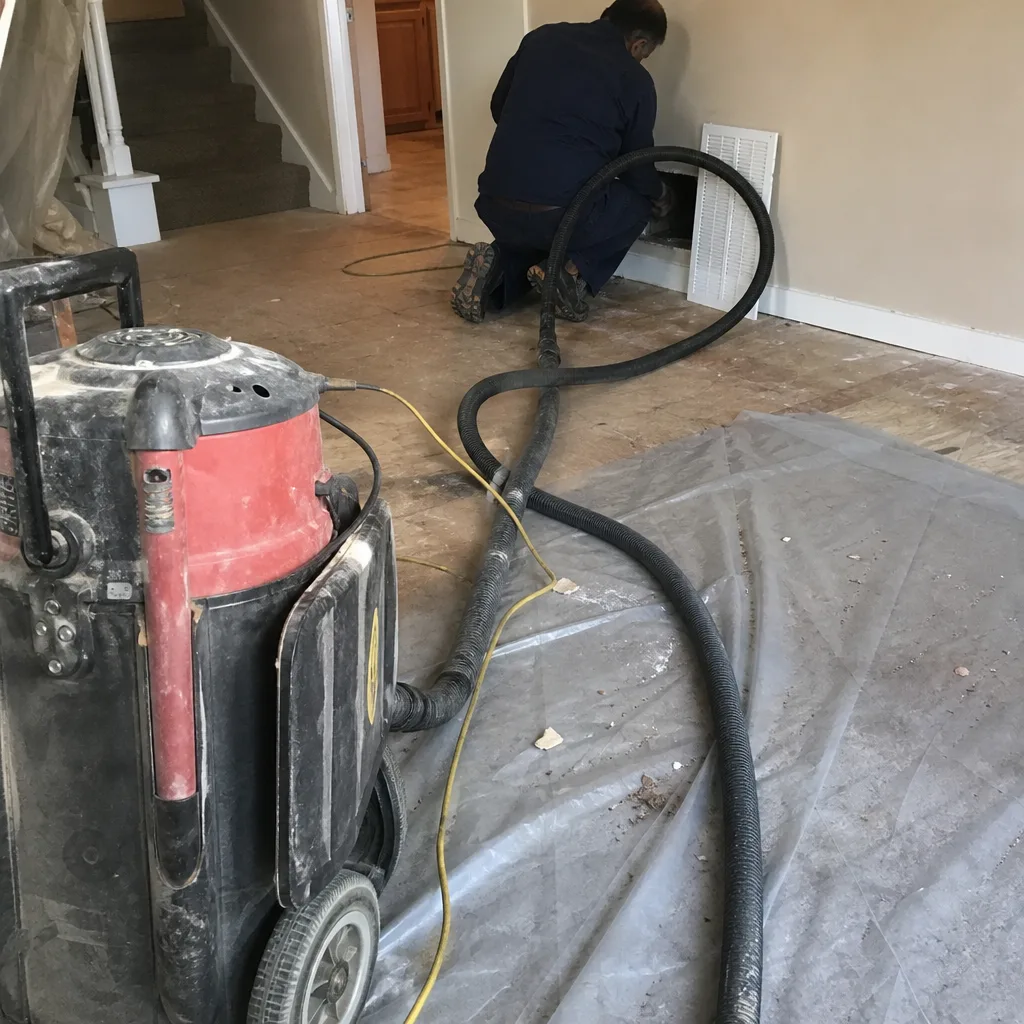 Before
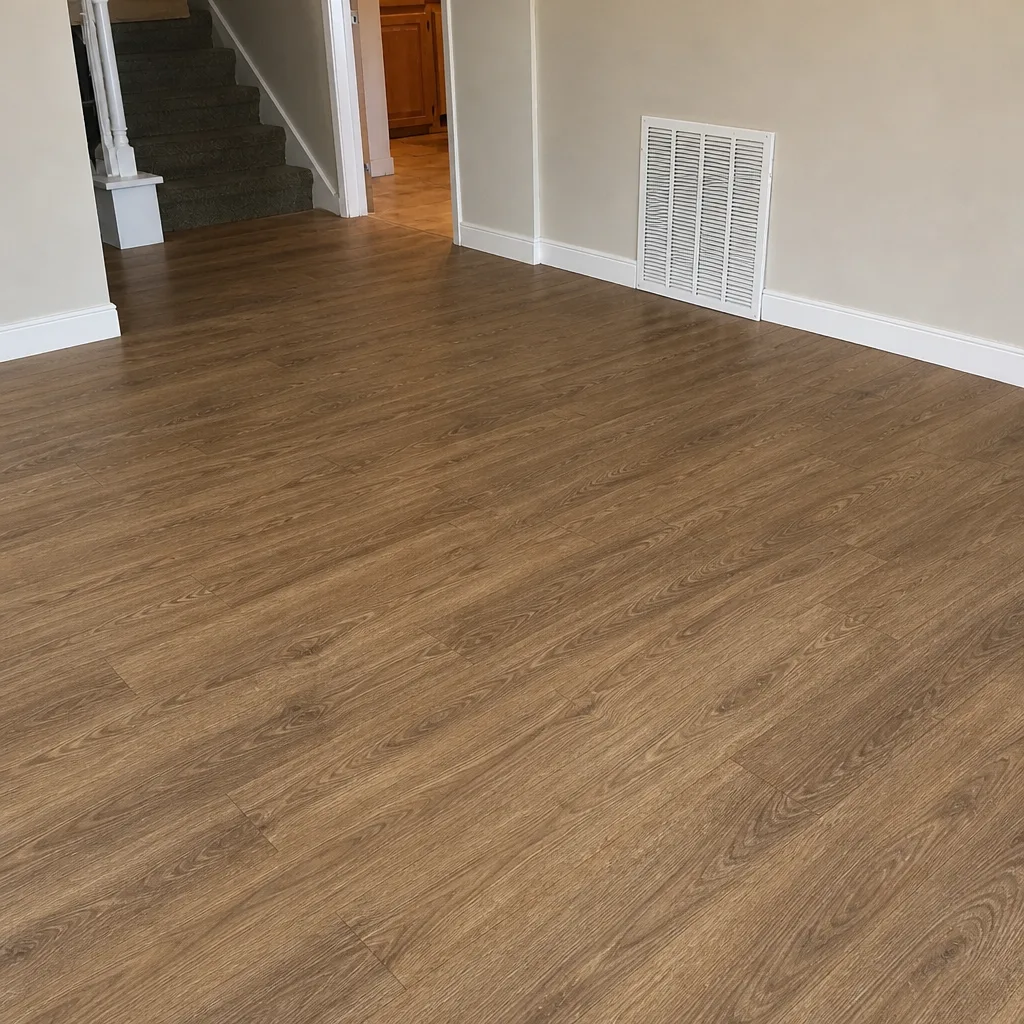 After
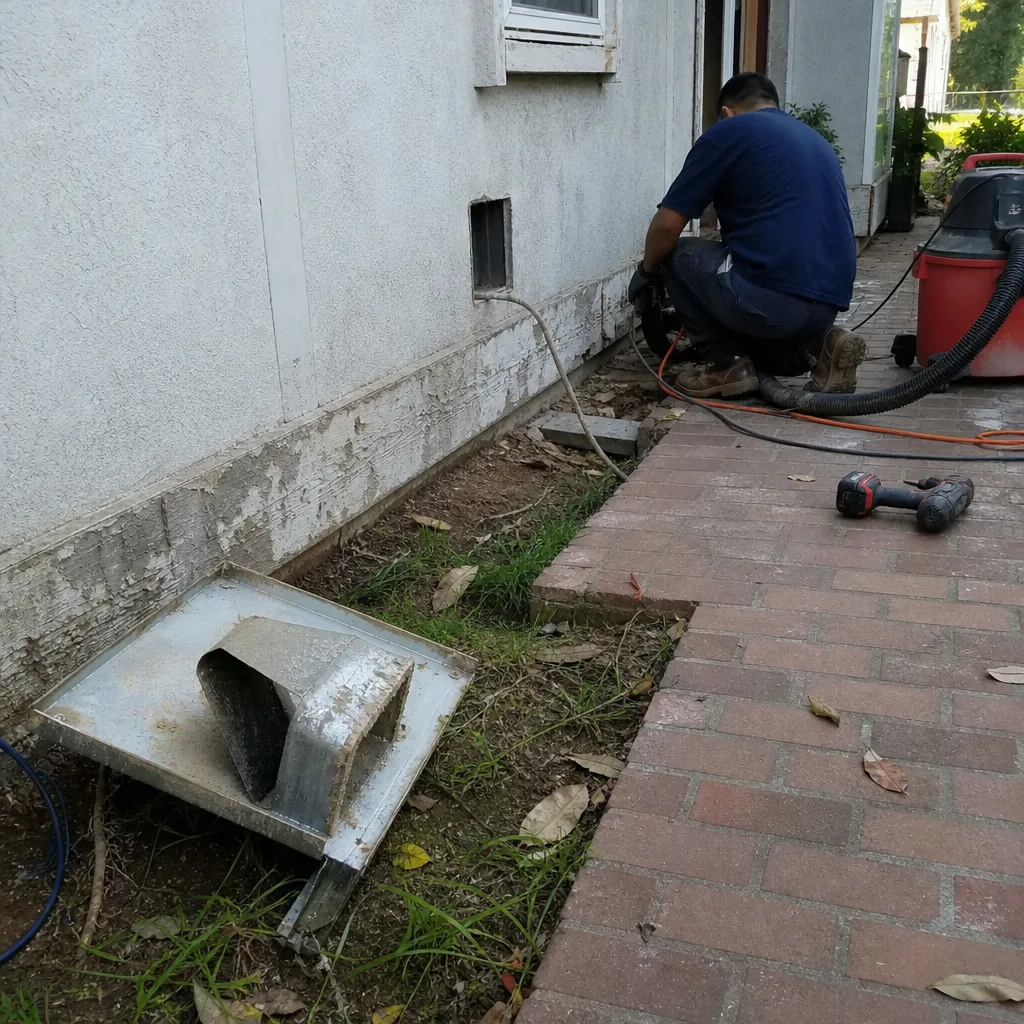 Before
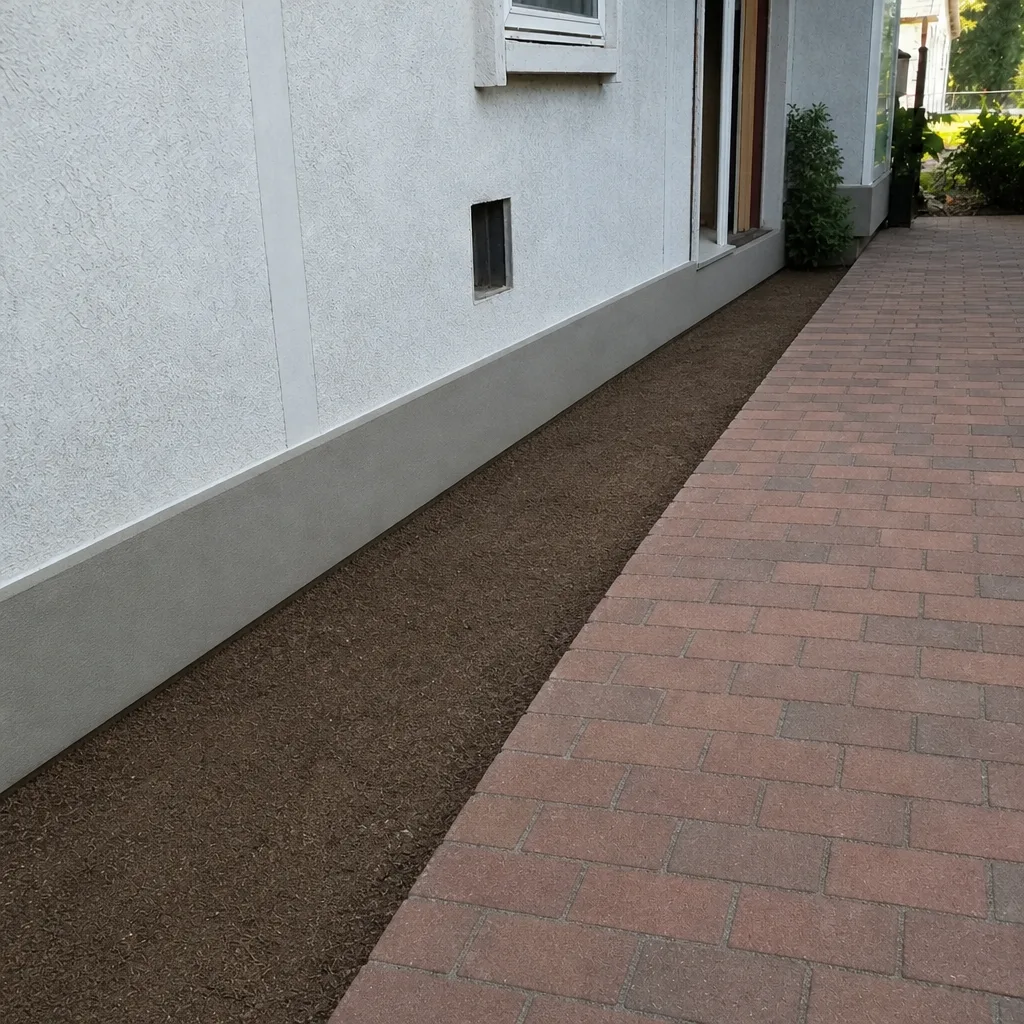 After
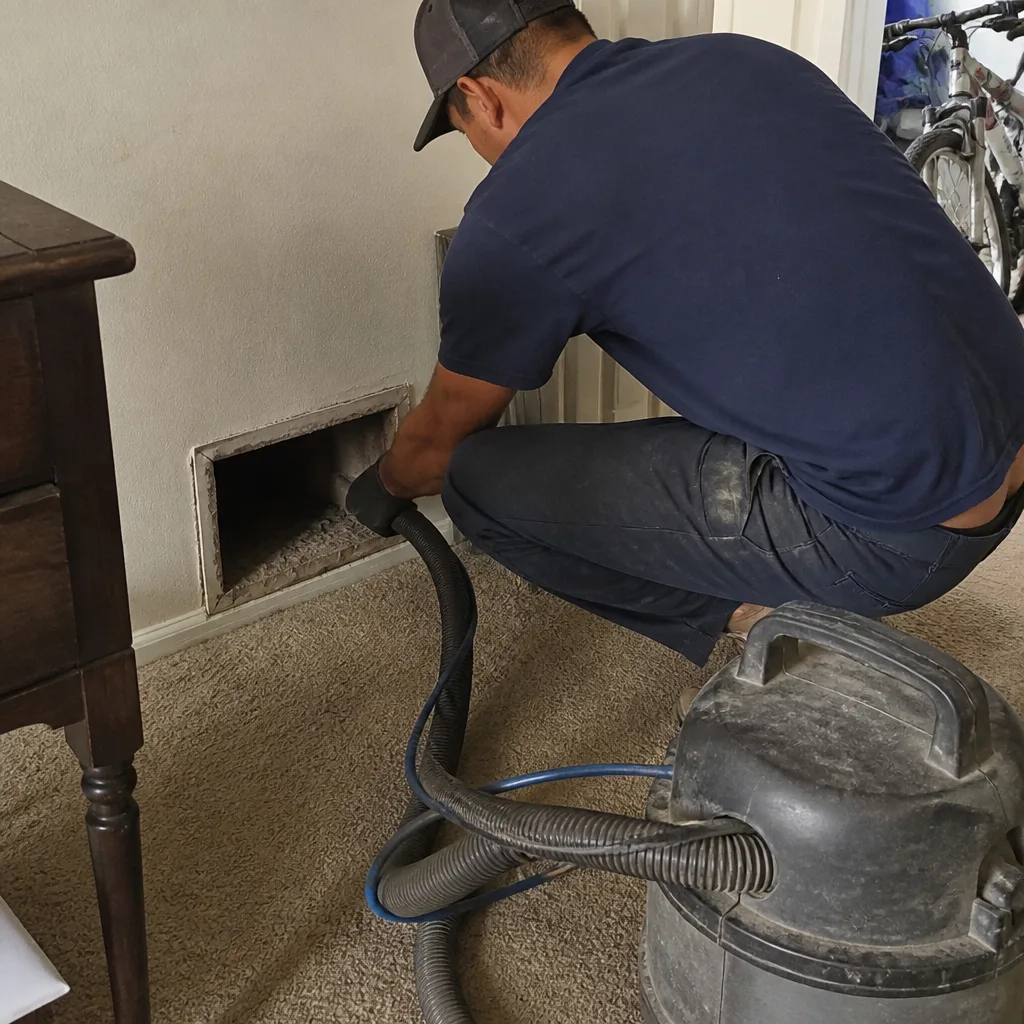 Before
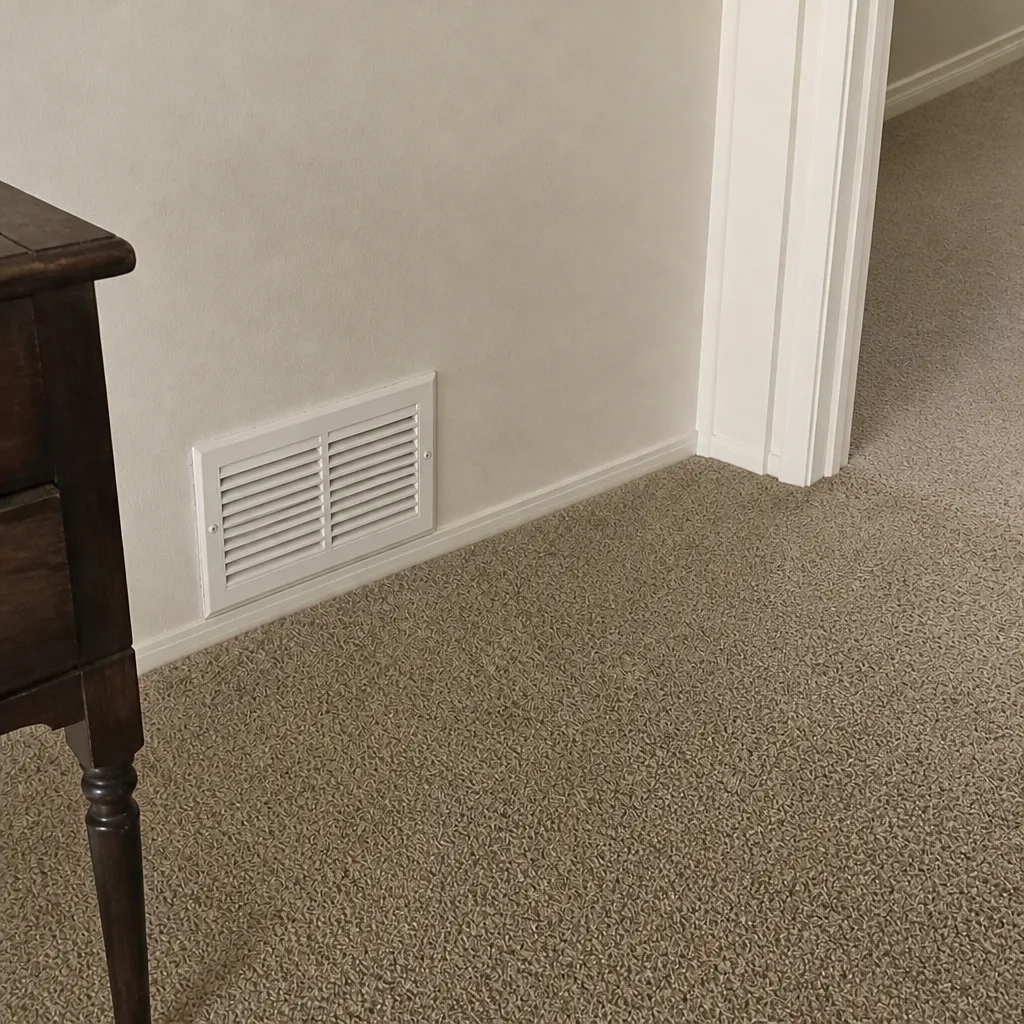 After
How often does air duct cleaning really need doing?
Most Orange homes don’t need duct cleaning on a fixed calendar schedule. The right interval depends on what’s getting into the system and what’s staying there.
- Every three to five years is a reasonable starting point for a typical single-story Orange home with no pets, no recent remodeling, and a regularly changed filter.
- Every two to three years for homes with pets, allergy-sensitive occupants, or a recent remodel that involved drywall or flooring work.
- Sooner than that if you see visible debris or dust patterns at the registers, smell a musty odor when the system starts, notice airflow weakening, or see visible microbial growth inside the air handler.
Filter changes drive more of this than most people realize. A fresh filter on a schedule does more for indoor air than an early duct cleaning does. Change filters on the manufacturer’s interval and inspect the air handler and coil at least once a year.
Common Mistakes to Avoid
- Comparing quotes by price alone. Two numbers mean nothing without two scopes. Read the line items before you decide what’s a good deal. A $300 quote that skips the coil isn’t cheaper than a $700 quote that includes it; it’s a smaller job.
- Accepting “clean ducts as needed” language. That phrase lets a contractor skip whatever isn’t convenient. Ask for each component named in writing, including the coil and blower.
- Paying per vent without knowing the system. Per-vent pricing rewards fast in-and-out work and invites invoice creep. Ask for a flat price per system instead.
- Skipping the dryer vent while you’re at it. A whole-system approach includes the dryer vent on a separate line. It’s a fire-risk pathway and it deserves its own attention, not a package discount bolted on at the end.
- Buying a “sanitizing treatment” on an uncleaned system. Sanitizing on top of debris encapsulates the dirt. Order of operations matters. Mechanical clean first, then sanitizing if it’s warranted.
- Ignoring airflow changes. If a loud whistle or a sudden temperature imbalance appears after cleaning, a run may have been disconnected during the work. Walk the job at completion and check the returns and supplies for flow changes.
- Skipping photos. Photos before and after are the verification standard. Insist on them, especially for the coil and plenum. If a contractor resists, that tells you something.
When to Call a Professional
Some signs point to a duct system that needs a trained technician, not a filter change. If the registers show a visible dust ring each time the system runs, if a musty or stale odor appears on startup and hangs around, if airflow at the far rooms is weak compared to the near ones, or if you’ve just finished a remodel that generated construction dust and no barrier protected the returns, it’s time for a real inspection. The same is true if anyone in the house has developed allergy-like symptoms that seem tied to HVAC cycles, or if you can’t remember the last time the system was cleaned. Orange Air Duct Cleaning Co offers free estimates in Orange. Call (855) 658-3734. We answer 24/7. Fast dispatch from 7am to 7pm, Sunday through Friday.
Frequently Asked Questions
For a typical 2,000 square foot Orange home in 2026, expect a whole-system price in the $450 to $850 range, with the low end around $99 to $200 for a surface pass and the high end above $1,200 for a large system with heavy contamination, coil cleaning, blower access, and sanitizing. Call (855) 658-3734 for an exact quote – estimates are free.
Cheaper quotes usually leave out the coil, the blower compartment, negative-air containment, or the contact-cleaning method that actually removes debris. A blow-through with a pressure hose costs a fraction of a real clean. Compare the named components and named equipment on each quote before you compare the totals. Call (855) 658-3734 for an exact quote – estimates are free.
You should be able to see before-and-after photos of your own ducts, walk through the job at completion, and measure a change in airflow at the registers. Any competent contractor will provide all three. Call (855) 658-3734 for an exact quote – estimates are free.
Every three to five years for a typical Orange home, sooner for homes with pets, allergies, or a recent remodel. Change filters on the manufacturer’s schedule and inspect the coil annually in between. Call (855) 658-3734 for an exact quote – estimates are free.
It’s worth it when contamination is verifiable: visible buildup in the plenum, dust patterns at the registers, musty odor on startup, or a documented remodel that generated debris. Routine annual duct cleaning on a clean system is not a good use of money. Spend it on filters and coil inspections instead.
Not usually. Dryer vent cleaning is a separate service with a separate price (typical 2026 range in Orange is $120 to $250 depending on run length and access). If you want both on the same visit, ask for both as line items on the written estimate so there’s no surprise at invoice time.
Yes, and that’s the reason we lead with a flat price per system in writing before any work begins. A coupon that expands on site is the classic pattern. If a quote isn’t naming scope up front, don’t sign until it does.
The Bottom Line
Price a duct cleaning in Orange by the scope, not the sticker. The $99 offer and the $1,200 offer can describe the same house; the difference is which components get cleaned, what equipment does the cleaning, and whether the contractor verifies the result. Take the 2026 benchmark ranges as a starting frame, then match them against the line-item scope, the equipment named (Rotobrush contact cleaning, Nikro negative-air containment, Abatement Technologies for the tough scenarios), and the verification method. When a quote is far below the market, read the scope closely and ask about the coil and blower. A written scope holds a contractor to a price. A verbal quote holds them to nothing. That’s where the real money is decided.
Call (855) 658-3734 for a free estimate. We answer 24/7. Fast dispatch from 7am to 7pm, Sunday through Friday. Our technicians have up to 11 years of experience across duct cleaning, dryer vent cleaning, HVAC cleaning, duct repair and sealing, and air quality and sanitizing – one call to address every air pathway in the home.
Written by the team at Orange Air Duct Cleaning Co.