
Last updated November 25, 2026
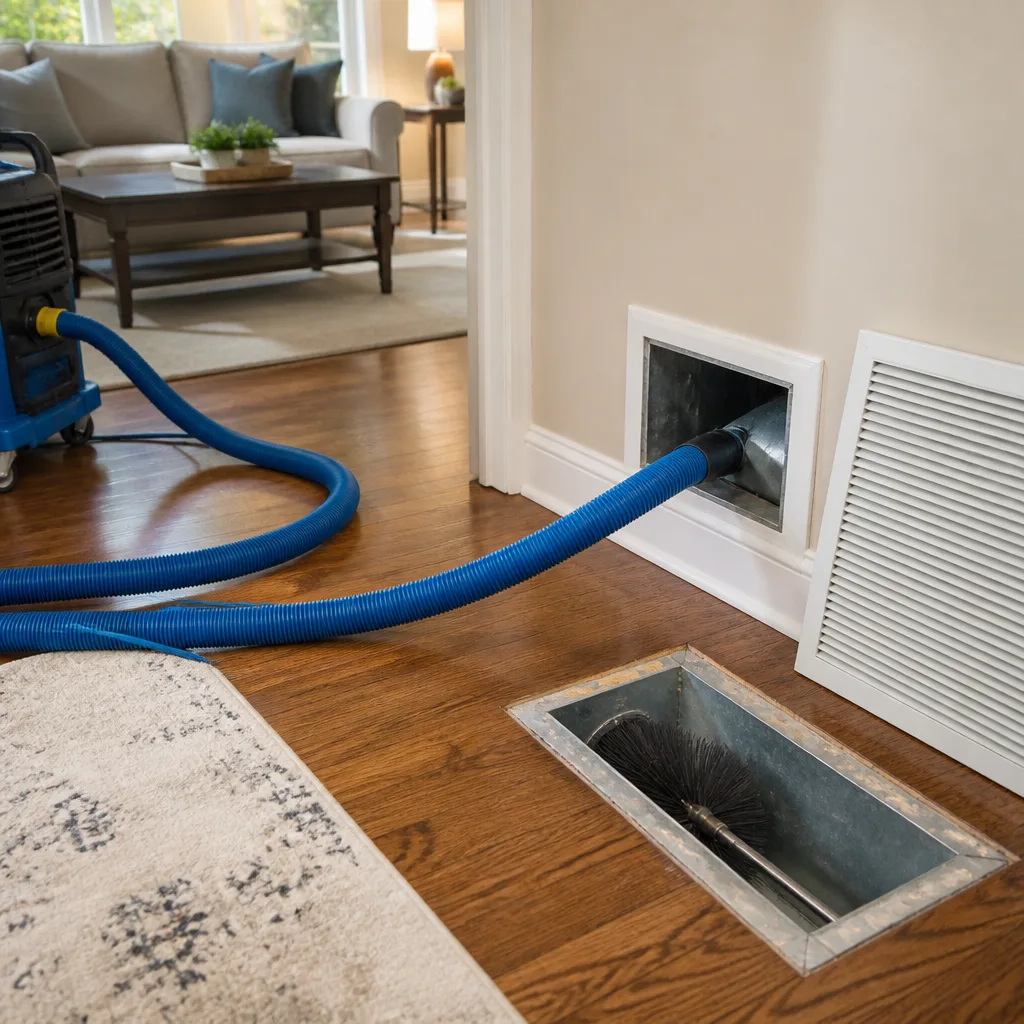 Whole-home duct cleaning
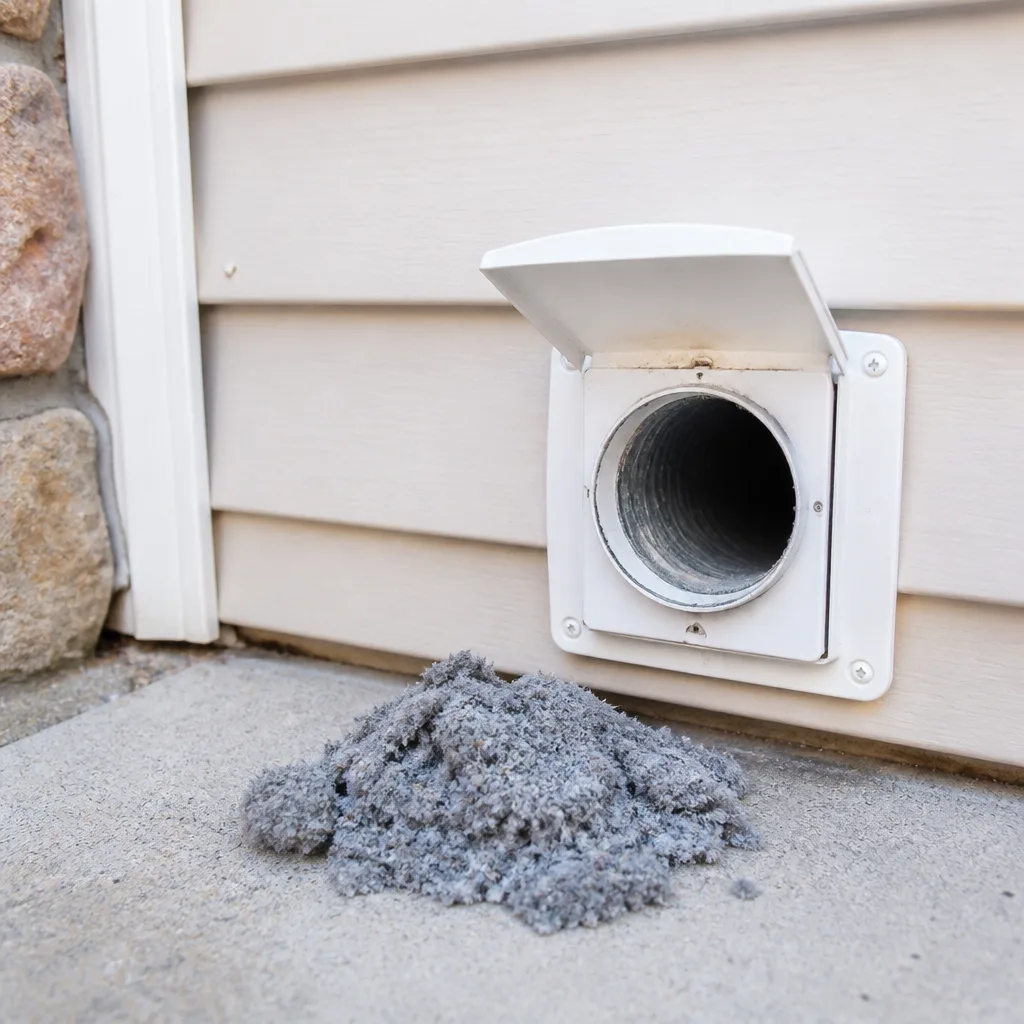 Dryer vent cleaning
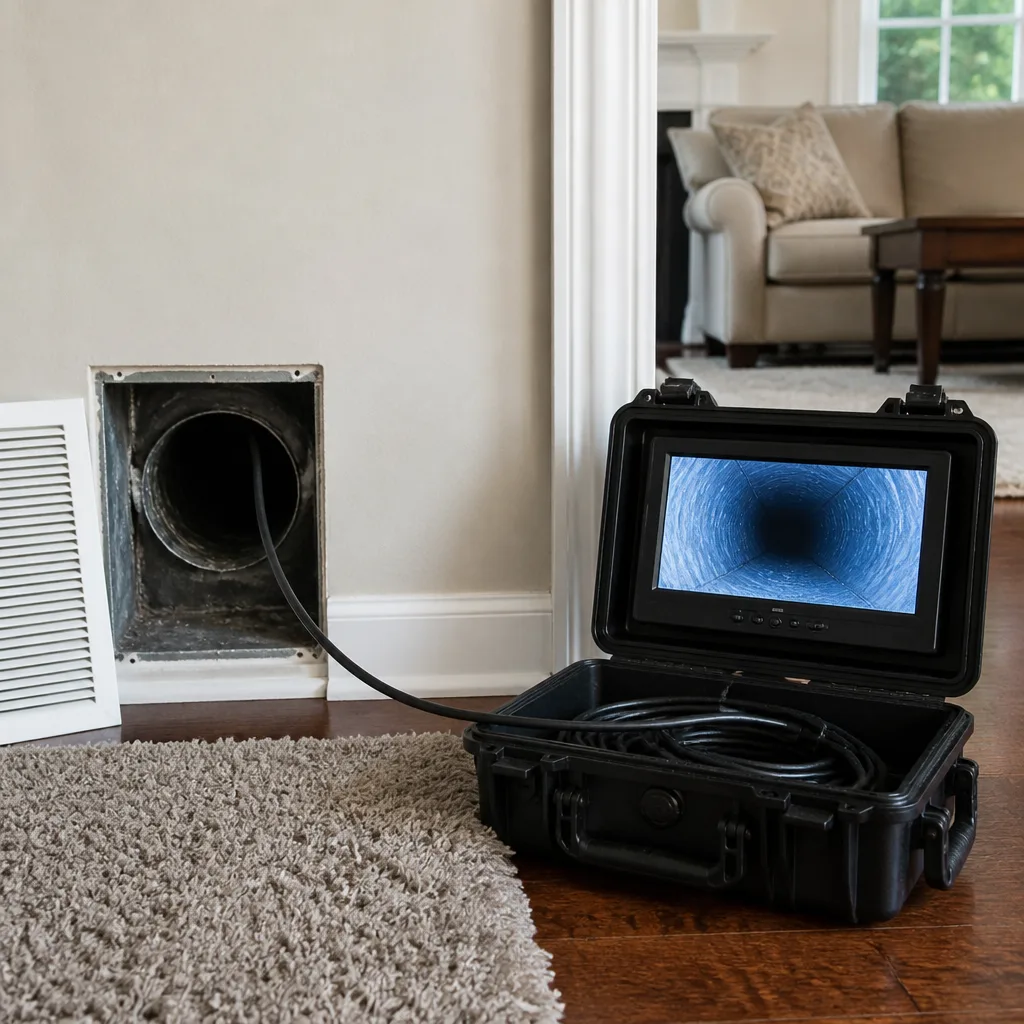 Camera inspection
 Sanitizing & deodorizing
Whole-system duct and dryer vent check with before-and-after photos - you see exactly what came out of your vents
That "$99 whole-house special" is a bait ad - the real number appears once they are in your hallway, or the "clean" is a shop-vac at the register. We photograph the inside of your ducts before and after instead.
Seasonal Air Duct Cleaning Care for Orange: Year-Round Homeowner’s Guide
Most air duct advice you’ll read was written for a place with four real seasons, a hard freeze, and a long winter of closed windows. Orange doesn’t work that way. We get more than 280 sunny days a year, a marine layer that rolls in most summer mornings, and a fall wind pattern that pushes fine dust straight through the gaps in a home’s envelope. Those aren’t four seasons in the Midwestern sense. They’re four distinct air-quality phases, and each one loads your duct system differently. Treat them all the same and you’ll clean at the wrong time, skip the filter upgrade that matters most, and miss the coil moisture problem that quietly builds every July. This guide walks through each phase, what it does to your ducts and HVAC equipment in Orange, and what to actually check and when.
Quick Answer
For most homes in Orange, the single best time to schedule a full-system duct cleaning is the March-to-April shoulder season, after heating has stopped and before cooling starts, because the system is idle and any debris loosened during cleaning gets pulled out before it’s pushed through the house all summer. The most important maintenance windows are the May-to-August cooling season (watch coil and drain pan moisture from the marine layer) and the September-to-November Santa Ana winds (upgrade to MERV-11 or higher filtration before the particulate load peaks). A yearly inspection cadence that follows these four phases beats a single annual cleaning done at a random date.
Styles & brands we work with
- Whole-home duct cleaning
- Dryer vent cleaning
- Camera inspection
- Sanitizing & deodorizing
Table of Contents
- Why Orange Has Four Air-Quality Phases, Not Four Seasons
- Phase 1: May Through August – Marine Layer Moisture and the Cooling Season
- Phase 2: September Through November – Santa Ana Winds and Particulate Loading
- Phase 3: December Through February – Heating Switchover and Combustion Safety
- Phase 4: March Through April – The Shoulder Season Cleaning Window
- How to Track Local Air Quality and Time Your Maintenance Around It
- What a Full-System Service Visit Covers
- Common Mistakes to Avoid
- When to Call a Professional
Why Orange Has Four Air-Quality Phases, Not Four Seasons
A homeowner moving to Orange from the Midwest usually brings a maintenance calendar built for a hard winter: clean the ducts in fall before the furnace runs, change the filter every three months, done. That calendar assumes the house is closed up tight for four months and wide open the rest of the year. Here, the opposite is closer to the truth. Windows stay open most of the year, the HVAC system runs long stretches in cooling mode, and the outdoor air that comes in carries whatever the wind is moving that week.
We think about it as four phases that each stress a different part of the system:
- May through August – the marine layer and cooling season. Moisture at the evaporator coil and drain pan.
- September through November – Santa Ana winds. Fine particulate pushed into return air and settled into ducts.
- December through February – heating switchover. The furnace runs, and its heat exchanger sits right next to the return air path.
- March through April – the shoulder season. Heating is done, cooling hasn’t started, and the system is quiet. This is the ideal cleaning window.
Each phase calls for a different check or action. A single annual cleaning on an arbitrary date ignores all of it. If you’ve never thought about your ducts as a seasonal system, the quickest place to start is with the foundational service on our air duct cleaning page, which covers what the process actually involves before you schedule anything.
Nothing here requires special expertise to observe. You can watch the filter, listen to the system, and check the drain pan yourself. What you’re doing is timing the professional work around what the home is already experiencing.
Phase 1: May Through August – Marine Layer Moisture and the Cooling Season
Orange sits close enough to the coast that most summer mornings start with a marine layer, a low band of cool, damp air that burns off by late morning. That daily cycle matters for your HVAC system because it keeps outdoor humidity elevated for hours, and the system is running ten-plus hours a day pulling outdoor air through the return and across the evaporator coil. The coil is where the moisture condenses. The drain pan is where it collects. Those two components are the heart of the summer problem.
What to check before cooling season peaks:
- Look at the drain pan for standing water or a rust line. A thin film is normal during peak operation. Standing water that doesn’t clear overnight, or a rust line above the current water level, means the drain is starting to clog or the pan is pitched wrong.
- Check the condensate drain for a slow trickle. If water runs slower than it has in past years, that’s algae or debris building up. A professional can clear it before it overflows into the return plenum.
- Inspect the coil for visible matting. A coil face that looks furry or dull instead of bright metal is holding dust and biological growth. That’s a measured problem, not a cosmetic one, and it typically gets worse through the season.
- Watch for a musty smell when the AC first kicks on. A musty first-on smell that fades within a minute can be duct debris. A musty smell that lingers through the cooling cycle usually points to the coil or the pan.
- Note any room that runs warmer than it did last year. Airflow changes that show up seasonally often trace back to a restricted coil or a partly collapsed flex duct, not the thermostat.
We bring Rotobrush contact cleaning and Nikro negative-air extraction to a residential job specifically because the summer problem is a moist one, and a wet system needs debris physically removed and contained, not blown around. Negative air holds the work area at a slight vacuum so loosened material doesn’t drift into living space. If the coil, pan, and plenum show growth, a sanitizing treatment addresses the source rather than masking the smell. The details of what a full HVAC-side cleanup involves live on our HVAC cleaning page.
By mid-August, the system has been running hard for months. That’s why the pre-cooling season check matters: it catches moisture problems before the hottest stretch, when the system has the least slack to handle them.
Phase 2: September Through November – Santa Ana Winds and Particulate Loading
When the Santa Ana winds kick up in fall, they push dry, warm air from the interior toward the coast and carry fine dust, smoke, and pollen with it. In Orange this shows up as a hazy sky, gritty window sills, and a filter that goes from gray to dark in a matter of weeks rather than months. Homes here run the HVAC system long into the fall, so the filter catches some of that load, and the ducts catch what the filter can’t hold.
The single highest-value action in this phase is a filter upgrade:
- Move to MERV-11 or higher during the wind window. A MERV-11 or better filter captures far more fine particulate than a standard MERV-8 filter, which is the grade most new homes are equipped with. The window runs roughly September through November.
- Check the filter pressure drop. Higher-MERV filters resist airflow more than low-MERV ones. On a system that’s already close to its static-pressure limit, that can hurt comfort. That’s why the upgrade should be sized to your system, not swapped blindly.
- Return to a standard grade once the winds subside. Many homeowners run the higher-MERV filter through the wind season and drop back to a MERV-8 the rest of the year to keep airflow comfortable. That’s a legitimately sensible approach for Orange and one most generic guides never mention.
Beyond the filter, this phase is when the ducts accumulate the most settled debris over the year. Doors and windows stay open, the house is well-ventilated, and outdoor particulate has the longest stretch of the year to enter. We recommend scheduling a duct inspection at the end of this window, around late November, so that anything that loaded up gets addressed in the shoulder season rather than carried into the cooling season.
If the filter goes dark fast in October, don’t assume the filter is failing. It’s doing its job. The question is whether the downstream ducts are holding what the filter can’t stop. Honeywell and Aprilaire filtration upgrades can extend filter change intervals and improve capture, and we can set those up during the same visit as a cleaning.
Phase 3: December Through February – Heating Switchover and Combustion Safety
Orange winters are mild, but homes here do run the furnace, especially in January. When heating season starts, the return air path feeds directly into the furnace, and the heat exchanger sits right there beside it. That adjacency is why we treat the heating switchover as a combustion safety check, not a comfort check. A heat exchanger with cracks or a dirty surface, combined with ducts that carry dust and debris, is a carbon monoxide concern that a routine visual inspection can miss.
A heating switchover inspection checklist for Orange homes:
- Before the first real cold snap, have the furnace inspected. Ask specifically for a heat exchanger inspection and a combustion analysis, not just a filter change and a wipedown.
- Check the return air path for debris buildup. Dust and lint collected over the fall wind season sit in the return plenum directly upstream of the heat exchanger.
- Confirm the CO detectors are functional and positioned correctly. Every floor with sleeping rooms needs one. This isn’t a substitute for a heat exchanger inspection, but it’s the backstop.
- Listen for a changed burn sound. A furnace that has always sounded smooth and now has a rumble, or fires and then cuts out repeatedly, is telling you something.
- Look at the flue pipe for corrosion or white streaks. White streaks on the metal are condensation evidence, and in a mild-winter climate they’re the kind of thing that gets missed.
If the furnace is old enough that heat exchanger inspection is guesswork, the ductwork around it is worth a more serious look too. Duct Repair & Sealing done in the heating season has a real benefit: poorly sealed return ducts pull attic air (and sometimes combustion gases) into the living space. Sealing them tight before you run the furnace hard is one of the few maintenance tasks that directly reduces risk rather than just improves comfort.
We keep this short on purpose. The safety part of the checklist belongs to a licensed HVAC technician, and the duct part belongs with whoever is cleaning the system. Don’t let either one be skipped because the weather feels too nice to matter.
Phase 4: March Through April – The Shoulder Season Cleaning Window
This is the best window of the year to schedule a full-system cleaning in Orange, and it’s the answer most homeowners haven’t heard. Here’s why: by March, heating has shut off and cooling hasn’t started. The system is idle. That means loosened debris has no way to get pushed through the house while the work is happening, and it means you have weeks to verify the result before the cooling season starts moving air again.
The March-April window has three practical advantages over any other time:
- The system is off. Nothing is circulating that can redistribute what a cleaning loosens. Negative-air extraction and contact cleaning are far more effective on a system that isn’t fighting them.
- You can confirm the result before summer. If airflow in a room still feels weak in April, you have time to address a restricted coil or a partially sealed duct before the heat hits and you need the system working.
- You catch fall’s debris before summer multiplies it. The debris that loaded up in the wind season gets removed before it settles, compacts, and picks up summer moisture.
This is the window we point homeowners toward when they ask us when to clean, and it’s the one most “annual duct cleaning” advice ignores because it’s written for climates where spring is a transition between two hard seasons. In Orange it’s the transition between the two gentle ones, which makes it the safest, most controllable time to do the work.
One complication to plan around: shoulder-season appointment slots in Orange fill up. If you’re planning a spring cleaning, get on the schedule in late winter, before the March rush. Free estimates can be set up well ahead of time so that the pricing and scope are settled by February, and the work itself happens whenever the system is idle.
How to Track Local Air Quality and Time Your Maintenance Around It
The South Coast Air Quality Management District (SCAQMD) operates a network of air monitoring stations across the region, and several report conditions that affect Orange directly. That data is free and public, and knowing how to read it turns air quality from a vague concern into a scheduling tool.
A practical routine:
- Bookmark the SCAQMD station nearest Orange. Their current readings give you the real particulate picture on any given day, not a regional average.
- Check the AQI before you change the filter. If you’re swapping a filter during a spike, you’re exposing the system to the worst of the day unnecessarily. Wait for a clean reading.
- Watch for multi-day spikes during the Santa Ana window. Several consecutive days of elevated particulate in September through November is the trigger to check the filter early and consider an inspection once the winds stop.
- Log your filter change dates. Write the date on the filter edge with a marker. Over two seasons you’ll build a picture of how your specific home loads a filter, and the pattern in Orange is not the same as the pattern in a closed-up, four-season climate.
- Use AQI spikes to decide between cleaning and inspecting. A single spike usually means “change the filter.” A month of spikes usually means “look at the ducts.”
For local context, Orange is a mid-density city with mature trees, a lot of single-family housing, and stretches of older homes with original or lightly modified duct systems. When particulate enters those systems, it settles differently than it does in newer, tighter homes. A house that’s been occupied for decades tends to have more settled dust in the return trunk and more small leaks along the plenum than a recent build. That’s one reason we ask about a home’s construction before we quote a cleaning: the answer changes the scope of the work.
If you want to see how we use that data on a visit, our main page at Orange Air Duct Cleaning Co lays out what a full-system visit includes.
What a Full-System Service Visit Covers
A “full-system” cleaning isn’t one task. It’s five distinct service categories that cover the whole air pathway, and understanding which ones apply to your home is how you avoid paying for work you don’t need or missing work you do.
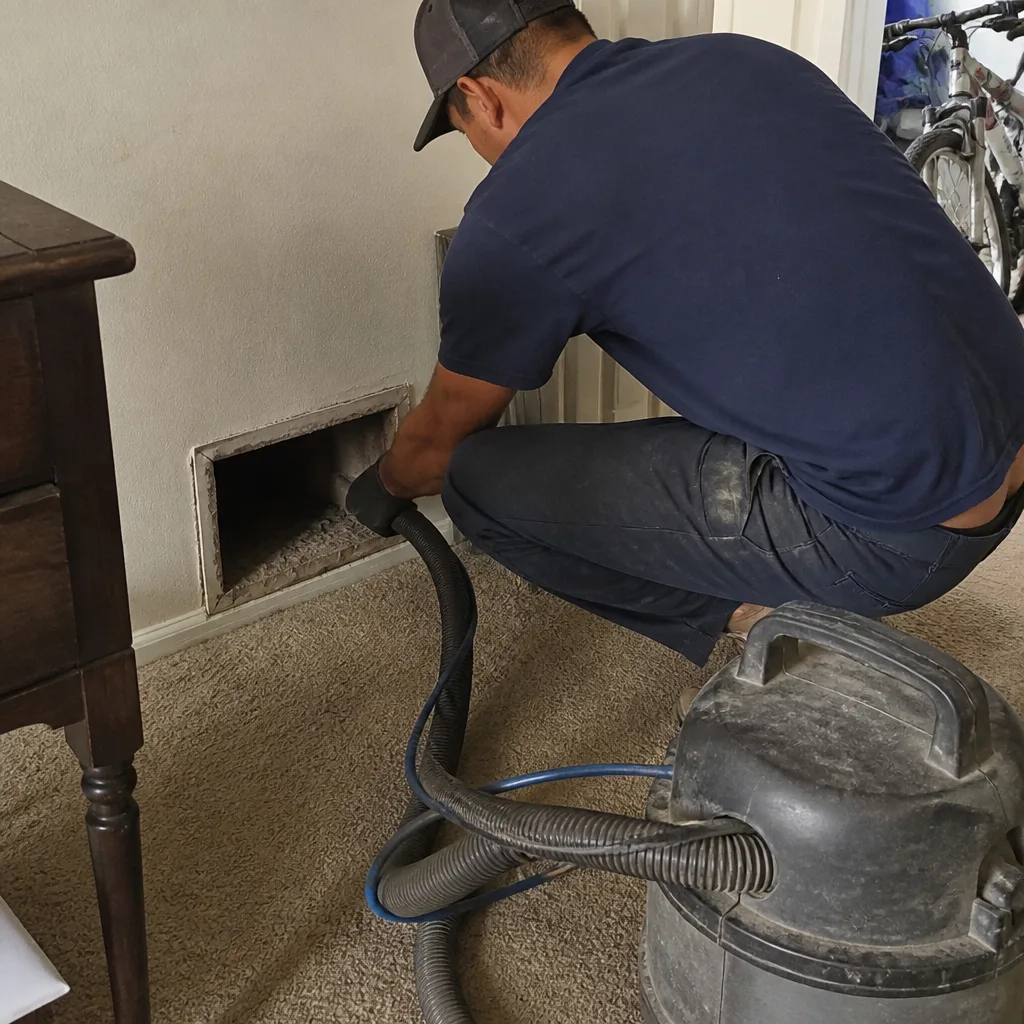
- Air duct cleaning – the supply and return ductwork, using contact cleaning to physically remove debris from duct surfaces rather than dislodging it. This is where Rotobrush brush-and-vacuum systems come in.
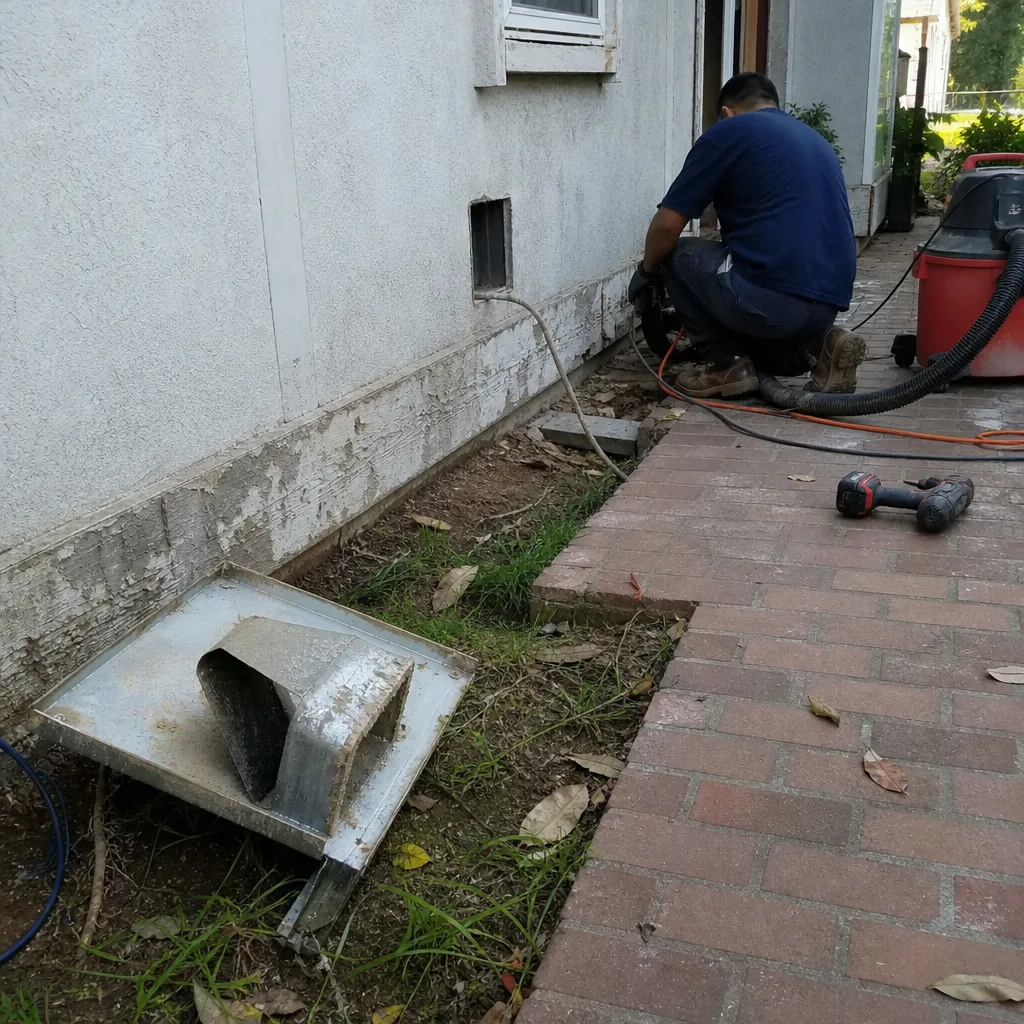
- Dryer vent cleaning – a separate duct system entirely, and one with its own fire-risk profile. Lint accumulation in a dryer vent isn’t a comfort issue, it’s a safety issue. Details are on our dryer vent cleaning page.
- HVAC cleaning – coil, blower, plenum, and drain pan. This is the moisture-intensive work covered in Phase 1.
- Duct repair and sealing – sealing leaks so the system doesn’t pull attic or garage air into the living space. Often done in the heating season.
- Air quality and sanitizing – addressing biological growth and odor at the source, not masking it with fragrance. Abatement Technologies equipment is what allows us to work in homes with heavier contamination than routine debris, including construction dust and mold-adjacent scenarios.
For light-commercial properties in Orange, the same phases apply but the stakes are higher. Retail and office buildings run their systems longer, often have more return-air exposure to outdoor particulate, and usually can’t shut down for a week to clean. Our scheduling for those jobs tends to land in the shoulder season for the same reason as residential: the system can be off for a day without hurting anyone’s comfort.
We bring Nikro negative-air machines and Guardsman-grade surface protection on every full-system visit. Negative air keeps the work area under vacuum so loosened debris stays contained, and surface protection keeps furniture and floors covered during the job. Both are things we do on routine jobs, not just the heavy ones. Verified clean, not just serviced, is the standard we hold the work to.
Our technicians have up to 11 years of experience across this range of services. If you’re a property manager who needs the scope settled in writing before a board signs off, ask for the estimate in writing and expect it itemized by service.
Common Mistakes to Avoid
- Cleaning once a year on a random date. A cleaning in July loads the system right before the marine layer peaks, and a cleaning in October loads it right before the Santa Ana winds. The March-April shoulder season is when the system is idle and the result is easiest to confirm.
- Running a MERV-8 filter through the Santa Ana season. That’s the grade most homes are equipped with, and it lets most of the wind-season particulate pass downstream. Upgrade to MERV-11 or higher for the September-November window.
- Never touching the drain pan. The single most common summer failure in Orange homes is a slow drain line that overflows into the return plenum. It’s a five-minute visual check that prevents a much bigger cleanup.
- Treating a musty smell as a filter problem. A musty smell that lingers through the cooling cycle usually lives at the coil or the pan, not the filter. Replacing the filter doesn’t fix the source.
- Skipping the heat exchanger inspection because “it doesn’t get that cold here.” It gets cold enough for the furnace to run, and a failed heat exchanger is a carbon monoxide hazard regardless of how mild the winter is.
- Sealing ducts with tape from a hardware store. Foil tape and mastic are the right materials for sealing leaks; the “duct tape” in a toolbox is not, and it fails within a year or two in an attic.
- Cleaning the ducts but ignoring the dryer vent. They’re two separate systems and both are on the same visit for a reason. Dryer vents get cleaned far less often than ducts, and the risk they carry is different.
When to Call a Professional
Book a professional visit when any of these apply to your Orange home:
You’ve lived in the home for several years and can’t remember a duct inspection. Your filters go dark within weeks and stay dark all season. You see visible debris, dust streaks, or biological growth at a supply register. Airflow to one or more rooms has changed noticeably from last year, or a room never cools or heats as well as the rest of the house. You smell a musty odor when the system starts up. Your heating or cooling bills have crept up without a rate change. You’re a property manager preparing a building between tenants, or a homeowner who has recently completed a remodel and brought construction dust into the system. Any of those is a reason to schedule an inspection rather than wait for the next seasonal window.
Orange Air Duct Cleaning Co offers free estimates in Orange. Call (855) 658-3734 to set one up, and we’ll write the scope and the price per job before anyone starts work. The estimate is free, the price is set by the written scope, and you’ll see the result, not just a receipt.
Frequently Asked Questions
Most Orange homes are well-served by a full cleaning every two to three years, with an annual inspection and filter discipline in between, though homes near a busy street, homes with pets, and homes that have recently been remodeled often need cleaning more often. The seasonal phase matters more than a fixed interval: a cleaning in the March-April shoulder season produces a more durable result than the same cleaning done in the middle of the Santa Ana wind window. Homes with a heat pump or a furnace that runs hard in winter are the ones where two years beats three. Call (855) 658-3734 for a free estimate and we’ll recommend a cadence based on your home.
A very low quote usually covers a surface blow-through, not a full-system cleaning. It might run a single vacuum hose to a register and call it done, without contact cleaning, without negative-air containment, and without touching the coil, plenum, or drain pan. The equipment required for a verified clean costs money, and a quote has to reflect that. The right comparison isn’t price to price, it’s scope to scope. Ask any contractor for a written, itemized scope before you compare numbers. We’re happy to send ours in writing first so the comparison is apples to apples. Call (855) 658-3734 for a free estimate.
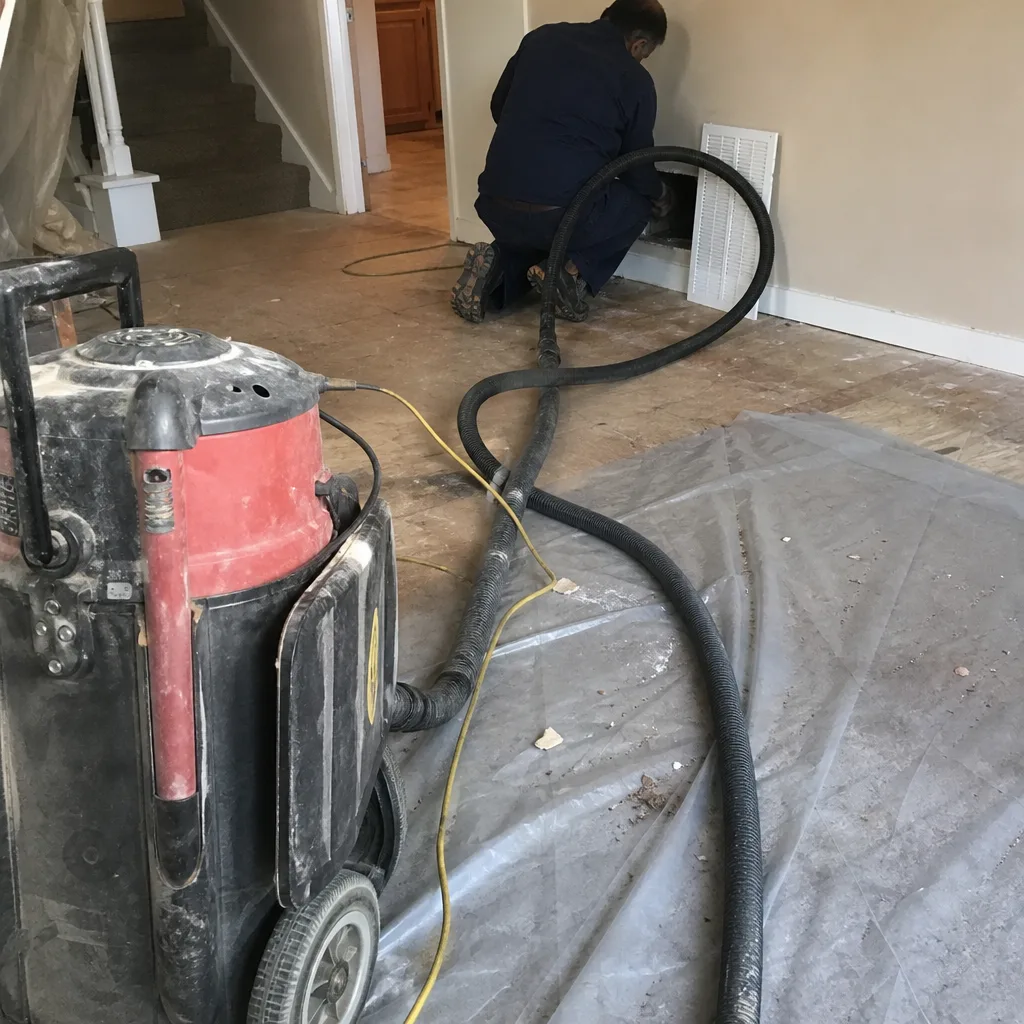
You should see before-and-after photographs of your own ducts, taken during the visit, and you should be able to walk through the system with the technician when the work is finished. Ask for photos as a standard deliverable, not a favor. Our full-system visits produce photographs of the supply and return side, the coil, and any area where we found heavier debris, and we walk the homeowner through them. If a contractor can’t produce photos from your home, that’s your answer about whether the work was done.
No, and for many Orange homes it’s better not to. Running a higher-MERV filter through the September-November Santa Ana window gives you the capture you want during the worst particulate load, but a MERV-11 filter resists airflow more than a MERV-8, and on a system that’s near its static-pressure limit that can hurt comfort. A common approach is MERV-11 during the wind window and MERV-8 the rest of the year. Have your system’s airflow checked before making the permanent switch, and know that the right filter is the one your system can handle, not the highest MERV on the shelf. Call (855) 658-3734 for a free estimate and we’ll help size the filter to your system.
A cracked heat exchanger on the furnace is the answer, and it’s the reason the Phase 3 heating switchover inspection is the most important safety check of the year. A heat exchanger that develops a crack can allow combustion gases, including carbon monoxide, to mix with air being pushed through the home. In a mild-winter climate like Orange, the furnace runs less, so failures are easier to miss. Have the heat exchanger inspected by a licensed HVAC technician before the first cold snap, confirm your CO detectors are working and positioned on every floor with sleeping rooms, and treat a changed burn sound or repeated short-cycling as a reason to shut the furnace down and have it checked. Don’t wait for a seasonal window on this one. Call (855) 658-3734 for a free estimate.
Yes, and it’s mostly filter discipline and observation. Change the filter on schedule and write the date on the edge. Check the drain pan monthly during cooling season and clear any standing water. Look at the return grille for visible debris. Listen for changes in how the system sounds at start-up. Keep an AQI tab open from a local SCAQMD monitoring station and let the readings drive your filter timing. What you can’t reasonably do yourself is contact-clean the ducts, lift a sealed plenum to reach the coil, or inspect the heat exchanger. Those belong to a trained technician with the right equipment. Call (855) 658-3734 for a free estimate on the professional side.
The Bottom Line
The four-phase approach is the whole point of this guide. Orange doesn’t hand you a clean seasonal calendar; it hands you a marine layer in summer, a wind season in fall, a mild heating switchover in winter, and an idle shoulder window in spring. Get the March-April cleaning right, handle the coil and drain pan in the cooling months, upgrade to MERV-11 in the Santa Ana window, and get the heat exchanger inspected before the furnace runs. Track local AQI from your nearest SCAQMD station so your filter changes and inspections follow actual conditions, not a generic schedule. Do those four things and your ducts stay ahead of your home rather than behind it. When you’re ready for a written estimate on a full-system visit, our team is a call away.
Orange Air Duct Cleaning Co is the full-system indoor air quality specialist for Orange homes and light-commercial properties. We work with Rotobrush contact cleaning, Nikro negative-air extraction, and Abatement Technologies equipment so the job is verified clean at the source, not surface-blow-then-go. One call covers air duct cleaning, dryer vent cleaning, HVAC cleaning, duct repair and sealing, and air quality and sanitizing. If it’s a seasonal question, a filter question, or a full-system question, we’ll answer it and we’ll put it in writing.
Call (855) 658-3734 for a free estimate. We answer 24/7. Fast dispatch from 7am to 7pm, Sunday through Friday.
Written by the team at Orange Air Duct Cleaning Co.
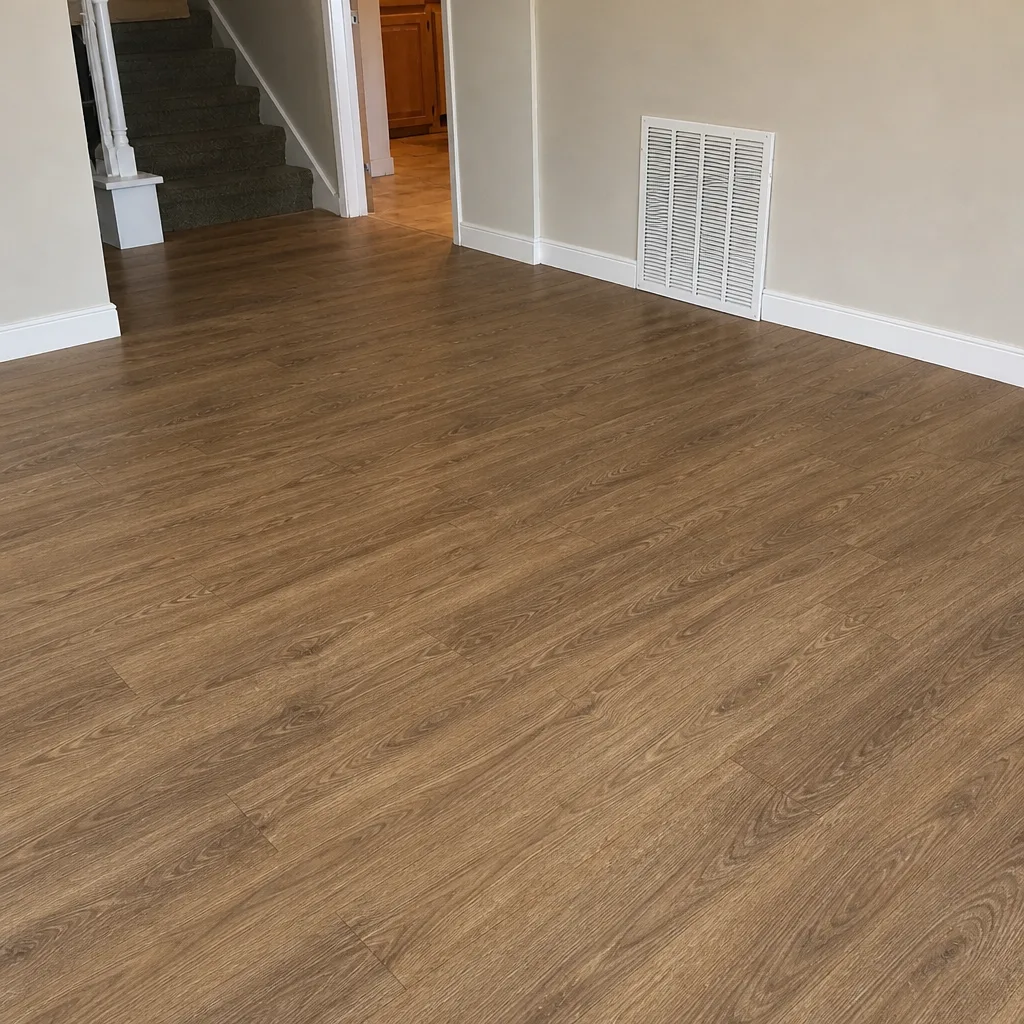
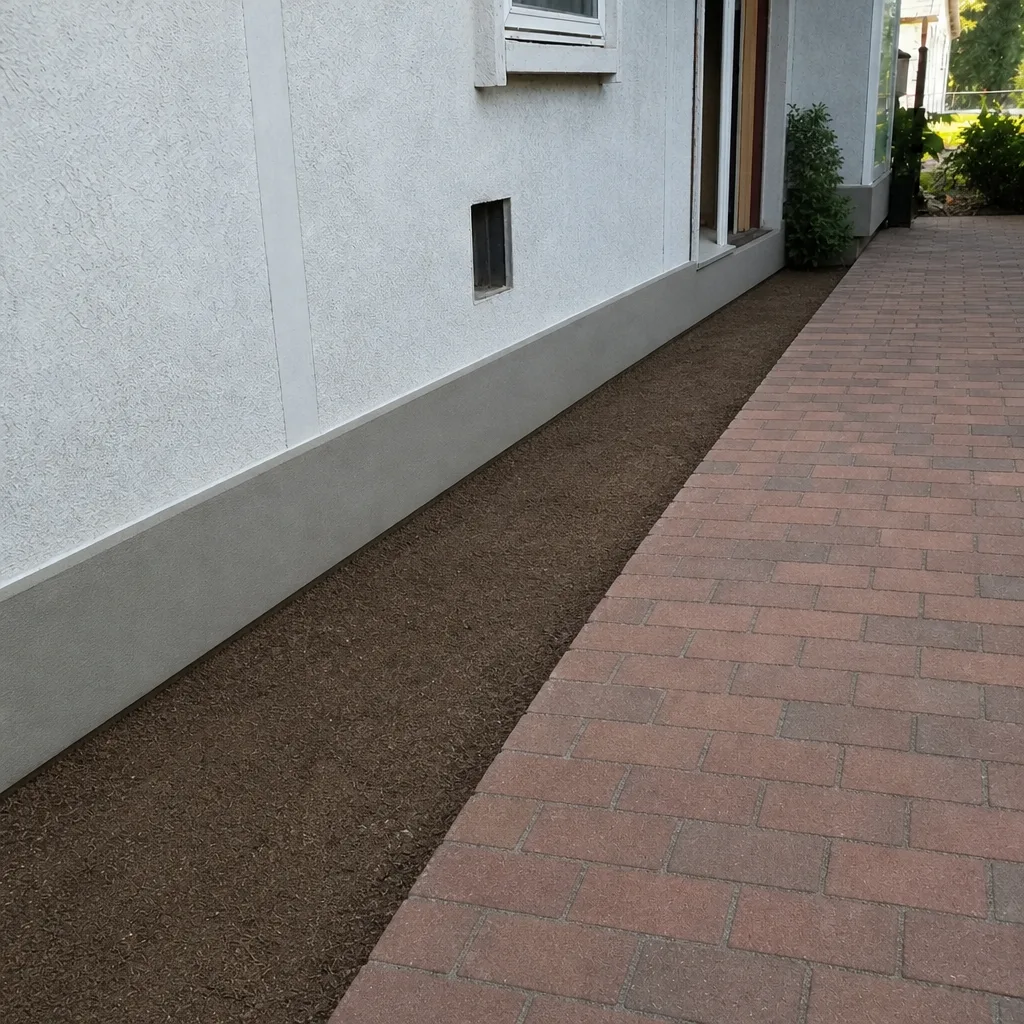
See the difference
 Before
 After
 Before
 After
 Before
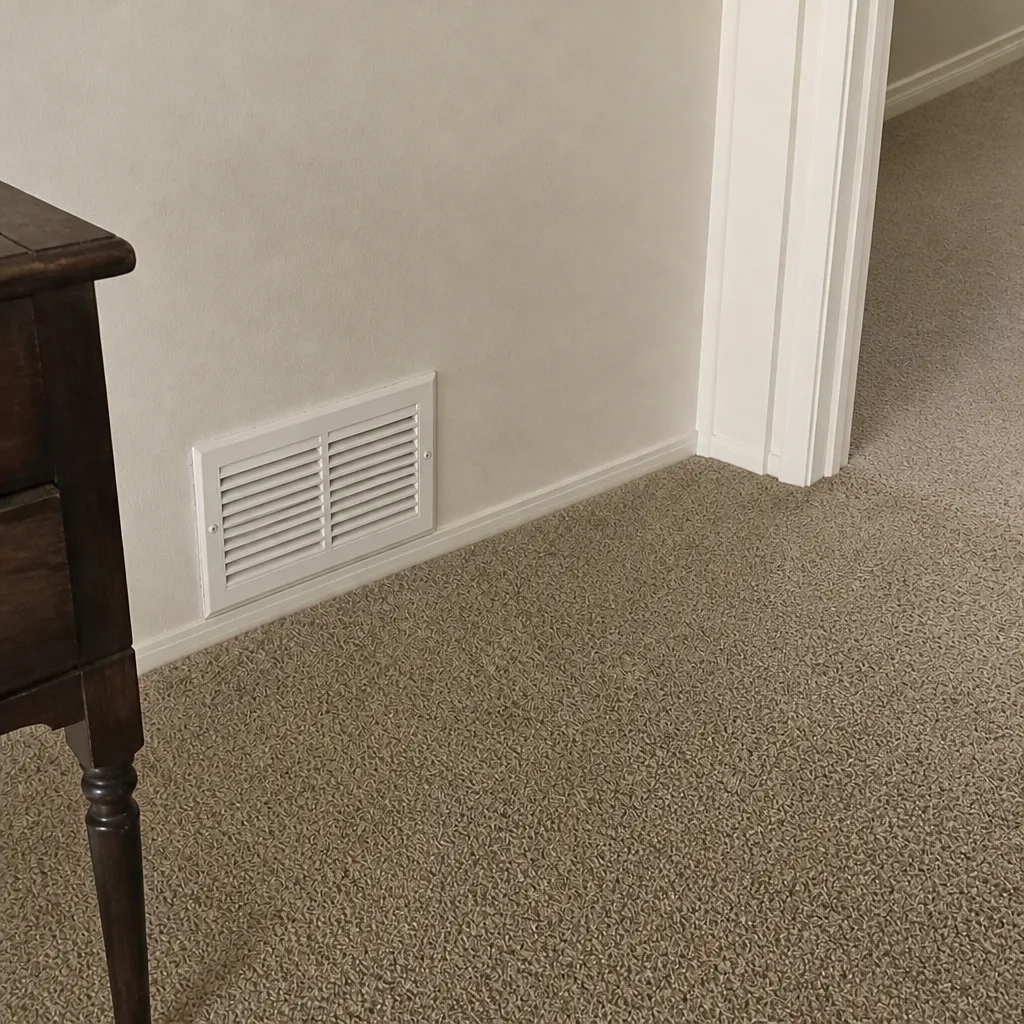 After