
Last updated November 25, 2026
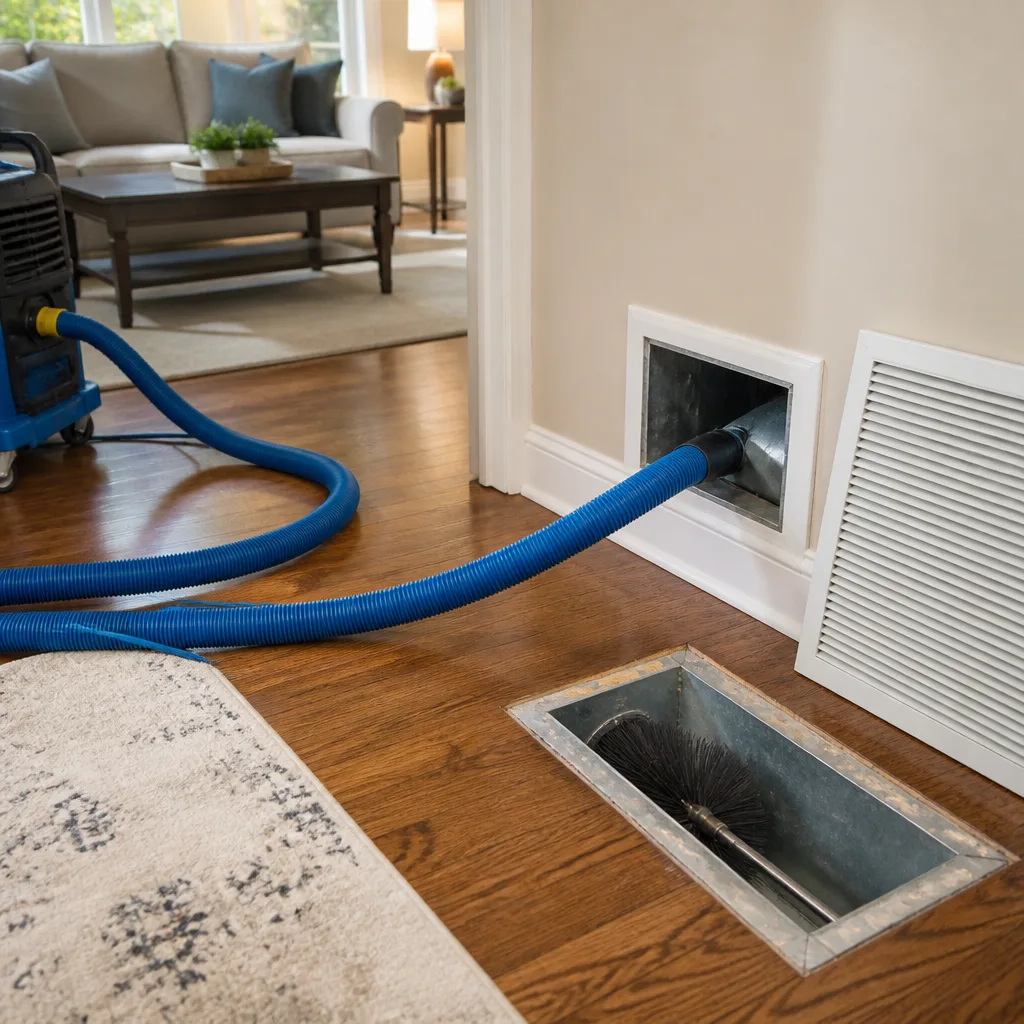 Whole-home duct cleaning
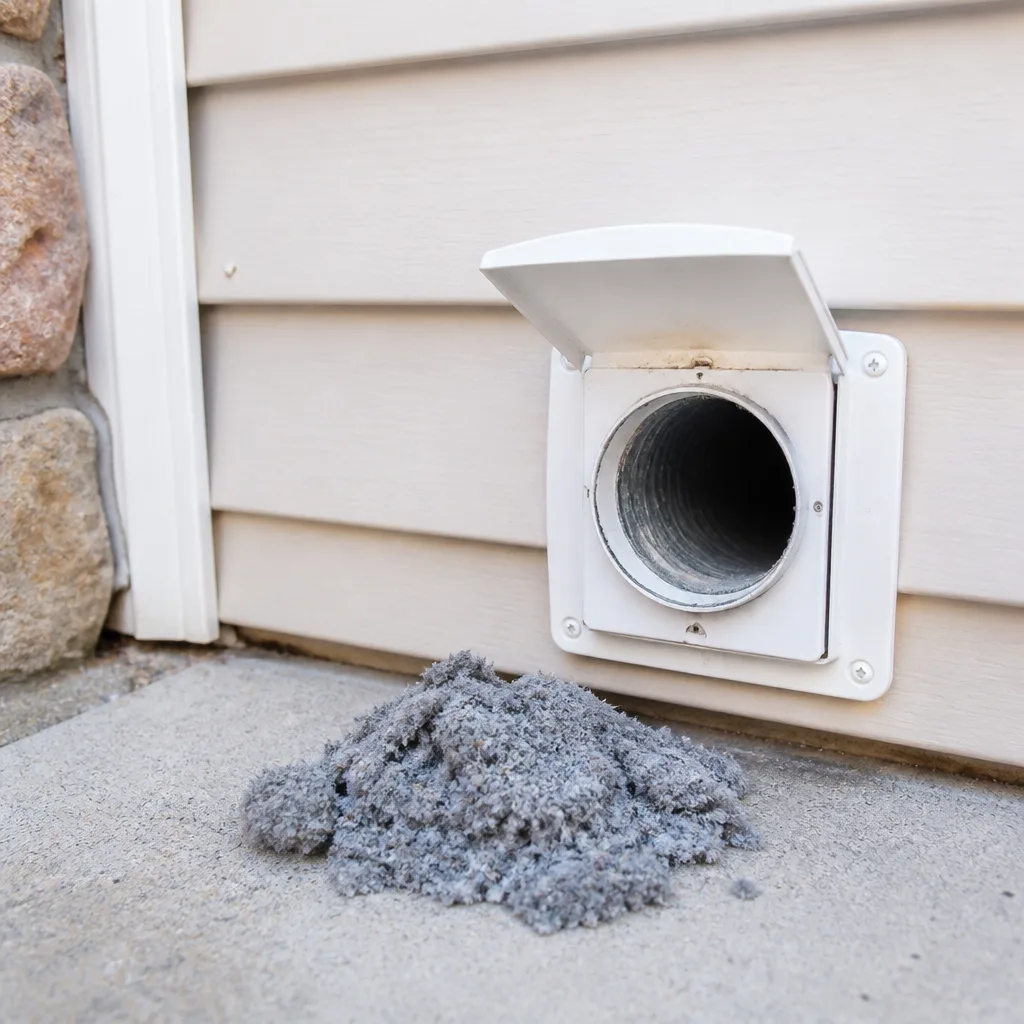 Dryer vent cleaning
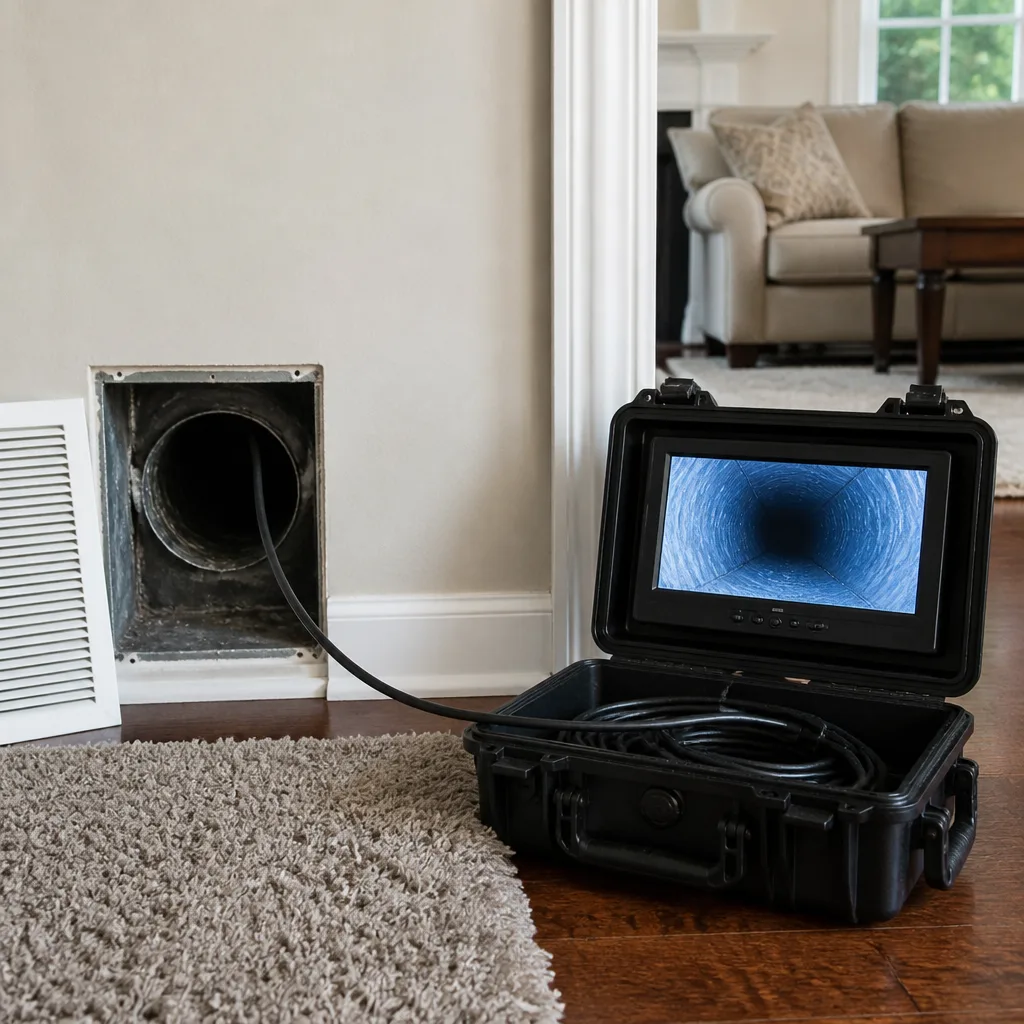 Camera inspection
 Sanitizing & deodorizing
Whole-system duct and dryer vent check with before-and-after photos - you see exactly what came out of your vents
That "$99 whole-house special" is a bait ad - the real number appears once they are in your hallway, or the "clean" is a shop-vac at the register. We photograph the inside of your ducts before and after instead.
The Complete Guide to Air Duct Cleaning in Orange
Most Orange homeowners call us believing their ducts are dirty. In our experience, the ducts themselves are usually the least of it. A single residential HVAC system in Orange can circulate indoor air five to seven times per day, which means whatever settles in the plenum, coats the evaporator coil, or collects on the blower wheel is never just sitting there. It’s being pushed back through every room you sleep and eat in. That’s the core problem: cleaning the branch runs while leaving the coil, the plenums, the drain pan, and the registers untouched doesn’t restore your air, it just moves the contamination around. This guide maps the full HVAC ecosystem, explains why Orange loads ductwork faster than most markets, and shows you exactly what verified cleanliness should look like before you sign anything.
Quick Answer
Air duct cleaning in Orange means removing accumulated debris from the entire air pathway (duct trunk, branch runs, supply and return plenums, evaporator coil, blower wheel, drain pan, and registers) using negative-pressure extraction and contact cleaning, not a surface blow-out. A full-system clean typically falls in the $350 to $800 range for a standard Orange home, with larger systems and heavy contamination running higher. Verified cleanliness means before-and-after video of your own ducts, documented static pressure readings, and a written scope showing every component was actually addressed. Call (855) 658-3734 for a free estimate.
Styles & brands we work with
- Whole-home duct cleaning
- Dryer vent cleaning
- Camera inspection
- Sanitizing & deodorizing
Table of Contents
- Why Orange’s Climate Loads Duct Systems Faster
- Blow-and-Go vs. Negative-Pressure Source Removal
- The Five Components Beyond the Duct Trunk
- What “Verified Clean” Actually Means
- How to Read a Job Scope Quote
- The Full HVAC Air Pathway Explained
- How Often Ducts Really Need Cleaning in Orange
- Common Mistakes to Avoid
Why Orange’s Climate Loads Duct Systems Faster
Orange sits in a basin where the Santa Ana wind seasons push dry, particulate-heavy air through the region for weeks at a stretch. That air carries fine dust, pollen, and combustion particles from the surrounding foothill and canyon areas. When your HVAC system kicks on, it pulls that outdoor air (mixed with recirculated indoor air) through the return side of the system. The filter catches what it can, but a filter is a barrier, not a vacuum. Particles that slip past it land on the evaporator coil, the blower wheel, and the duct surfaces downstream.
What makes Orange different from a wetter climate is that the debris doesn’t stay moist and clump. It stays dry, powdery, and airborne. That means a system in Orange can accumulate a fine, respirable layer of dust on interior duct and coil surfaces faster than national averages would suggest, and that layer is far easier to stir back into the living space than the sticky buildup you find in humid regions. Homes in Orange near Chapman Avenue, the Plaza Historic District, and the older residential stretches around Hart Park tend to have original or lightly modified ductwork from mid-century builds, which means more joints, more opportunities for leakage, and more surface area for that dry load to build up.
The practical consequence is straightforward. In a dry, particulate-heavy market, the interval between cleanings shrinks, and the cost of cleaning only the obvious duct runs while ignoring the coil and plenums is a system that looks serviced and still circulates the same debris. Our air duct cleaning work in Orange is built around that reality, which is why we scope the whole air pathway before we quote.
What actually counts as “particulate-heavy” air
- Seasonal wind events that suspend fine dust and pollen for days at a time
- Vehicle exhaust and road dust from the 22 and 55 freeway corridors settling in return-air pathways
- Construction and renovation dust from the steady turnover of older Orange housing stock
- Dry, low-humidity air that keeps particles airborne rather than clumping them
Blow-and-Go vs. Negative-Pressure Source Removal
The single biggest quality gap in this trade is the difference between blowing debris loose and removing it under containment. A blow-and-go operator runs a shop vac or a compressed-air whipper into a vent, dislodges the debris, and lets it recirculate through the house. That approach looks dramatic (dust puffing out of registers, a dirty filter change) and leaves the actual load in the system or in your living room air.
Negative-pressure source removal works the other way around. The goal is to put the entire duct system under a controlled vacuum before any agitation starts, so that when debris is dislodged, it’s captured rather than dispersed. The equipment matters here, and it’s the part of the job most homeowners never see.
- Establish negative pressure. A HEPA-filtered negative-air machine is connected to the system and brings the entire duct network into a contained vacuum state. Nikro negative-air units are what we bring to this step, creating the contained environment that prevents cross-contamination to living spaces.
- Contact clean the duct surfaces. Rotobrush contact-cleaning systems physically brush debris off duct surfaces while the vacuum pulls it toward collection. The brush-and-vacuum method removes debris rather than just dislodging it.
- Clean the coil and blower. The evaporator coil and blower wheel are cleaned separately with appropriate methods, because neither responds to duct brushes.
- Address high-contamination scenarios. Where mold, heavy allergen load, or construction dust is present, we bring Abatement Technologies equipment into the job, which is rated for serious contamination scenarios rather than routine maintenance.
- Document the result. Before-and-after video, static pressure readings, and a visual register check are the record that the work was actually done.
The difference isn’t a sales talking point. A shop vac can’t hold a whole residential system under negative pressure. A professional HEPA-filtered collection unit can, and that’s what separates a clean from a surface blow-out. If you want to understand the full scope of what we mean by a whole-system clean, the broader Orange Air Duct Cleaning Co service page lays out the five service categories we cover.
The Five Components Beyond the Duct Trunk
Here’s the part of the guide most homeowners have never been told. The ductwork you can see behind a register is the tail end of the system. The parts that matter most for air quality and airflow sit between the return grille and the supply registers, and there are five of them that a full-system clean must address.
- Evaporator coil. The cooling coil condenses moisture and catches fine debris. A fouled coil reduces cooling capacity, raises energy use, and becomes a microbial growth surface in the right conditions. It’s cleaned separately from the ducts.
- Blower wheel. The blower wheel spins air into the system. When the fins load up with dust, airflow drops and the motor works harder. A dirty blower wheel is a common and invisible cause of “weak airflow.”
- Supply and return plenums. The plenums are the box-like transitions between the air handler and the duct trunk. They’re usually the dirtiest surfaces in the system because airflow slows there and debris drops out.
- Drain pan. Condensate collects in the drain pan, and standing moisture plus dust is where microbial growth and odor originate. A clean duct system with a neglected drain pan still smells.
- Registers and grilles. Supply registers and return grilles collect dust on the fins and frame. If they’re not cleaned, they re-seed the system the moment airflow resumes.
When a homeowner calls us after a previous cleaning to report musty odors or inconsistent airflow, the answer is almost always in this list. Someone cleaned the trunk and branch runs and left the coil, plenums, or drain pan untouched. Our HVAC cleaning scope addresses the air handler and its components as part of the same visit, because a duct clean without the coil and blower is a partial job.
What “Verified Clean” Actually Means
Verified clean means there’s a documented record you can inspect, not a verbal assurance and not a receipt that says “air duct cleaning performed.” Anyone can hand you a receipt. The question is what the work actually produced, and a proper job leaves evidence behind.
Here’s what a post-cleaning inspection should document:
- Before-and-after video of your own ducts. Not stock footage, not a sample. Your duct interiors, filmed through an inspection camera before agitation and after extraction. You should be able to see the difference in your own system.
- Static pressure readings. Static pressure measures the resistance to airflow in a duct system. High pressure means the system is working harder than it should. A reading taken before and after the clean tells you whether the work actually improved airflow.
- Visual register checks. Every supply and return register opened, inspected, and cleaned, with the condition noted. This catches the registers a partial job skips.
- A written scope with component checklist. Coil cleaned, blower cleaned, plenums cleaned, drain pan cleaned, registers cleaned: each one checked or noted as not applicable, signed.
If an operator can’t show you before-and-after video of your own system, the work is unverifiable. That’s the standard we hold ourselves to, and it’s the standard you should hold anyone to. Guardsman-grade surface protection standards during the job (floor coverings, corner protection, contained work area) are part of the same discipline: you shouldn’t be able to tell we were there except by the air and the documentation.
How to Read a Job Scope Quote
A quote tells you what a company intends to do. Reading it correctly tells you whether the job is full-system or partial, which is the difference between a clean that holds and a callback six months later. Use this list to check any quote before you sign.
- Does it itemize components? A full-system quote names the coil, blower wheel, supply plenum, return plenum, drain pan, and registers. If the quote lists only “ducts” or “vents,” it’s a partial job.
- Does it name the extraction method? Look for negative-pressure or HEPA-filtered collection. A quote that doesn’t describe the method probably means a shop vac and a blower.
- Does it specify documentation? Before-and-after video and static pressure readings should be in writing, not promised verbally.
- Is the price per system or per vent? Per-vent pricing rewards a company for counting and penalizes you for a bigger system. A single flat price per system agreed before work starts is the cleaner arrangement.
- Does it name the equipment? Rotobrush contact cleaning, Nikro negative-air extraction, and HEPA-filtered collection units are method claims you can verify. “State-of-the-art equipment” is not.
- Is there a written estimate before work? The final price is set by the written estimate. Anything else is a range that can drift.
One more check: ask whether the company will work with your insurer if the scope involves contamination or remediation-level work. We can work with your insurer where the situation warrants it. For a broader picture of what a proper scope looks like across service categories, dryer vent cleaning is a good example of how a smaller job should still be quoted in writing and documented.
The Full HVAC Air Pathway Explained
Air travels a single path through your home’s HVAC system, and every segment of that path can hold contamination. Understanding the path explains why a partial clean fails.
The return grilles pull room air into the return ductwork and return plenum. The air passes through the filter, then across the evaporator coil (where cooling and dehumidification happen), then into the blower wheel, which pushes it into the supply plenum and out through the supply trunk, branch runs, and supply registers into each room. The condensate that forms on the coil drains into the drain pan and out through the condensate line.
Debris that enters the system is caught somewhere along this path. Filter media catches some of it, the coil catches more, and the rest deposits on duct surfaces and plenum walls. When the system runs, airflow can dislodge the dry, powdery dust that’s characteristic of Orange’s climate and carry it back into the living space. That’s why the full pathway (return side, coil, blower, supply side, and drain pan) has to be addressed in one job, and why cleaning only the supply trunk leaves the return side and the coil as ongoing sources. Our technicians have up to 11 years of experience, and in that time the pattern we see in Orange is consistent: partial jobs don’t hold.
How Often Ducts Really Need Cleaning in Orange
There’s no universal interval, but Orange’s dry, particulate-heavy air and older housing stock tend to shorten the practical number. Homes with pets, recent renovation, or occupants with allergy sensitivity typically need cleaning sooner than the general guidance.
- Every 3 to 5 years for a typical Orange home on the standard guidance, though dry-season dust loading can push the shorter end.
- After any renovation or construction project that involved cutting, sanding, or drywall, since construction dust finds its way into return-air pathways.
- After moving into a home with unknown service history, because you have no record of when the system was last cleaned.
- When you notice symptoms: musty odor when the system starts, visible dust puffing from registers, inconsistent airflow between rooms, or allergy symptoms that improve when you’re away from home.
- After water intrusion or visible mold in the system, which calls for Abatement Technologies equipment and a remediation-grade scope rather than maintenance cleaning.
The right interval depends on your specific system, your home, and what the inspection shows. If you want to talk through your situation, call (855) 658-3734. We answer 24/7. Fast dispatch from 7am to 7pm, Sunday through Friday.
Common Mistakes to Avoid
- Letting the price do the deciding. A quote that’s dramatically lower than others usually means a shop vac instead of a negative-air machine, and a blow-out instead of source removal. The low number reflects a smaller scope, not a better deal.
- Not asking for before-and-after video of your own ducts. If the company can’t show you your system, the work is unverifiable. Ask before work starts, not after.
- Cleaning the ducts but skipping the coil and plenums. In Orange’s dry climate, the coil and plenums are often the dirtiest surfaces in the system. A duct-only job leaves the source in place.
- Assuming a filter change is enough. A filter is a barrier. It reduces incoming debris but doesn’t clean what’s already deposited, and the coil, blower, and drain pan downstream of the filter still accumulate load.
- Ignoring dryer vent cleaning while having the ducts done. The dryer vent is a separate air pathway with its own fire risk, and it’s often the most overlooked vent in the house. It’s worth addressing while the equipment is on site.
- Signing a per-vent quote without a component checklist. Per-vent pricing tells you how many openings a company will touch. It says nothing about the coil, plenums, or documentation. Ask for the itemized scope instead.
- Overlooking the drain pan. A clean duct system with a fouled drain pan will still smell. Make sure the pan and condensate line are in the scope.
See the difference
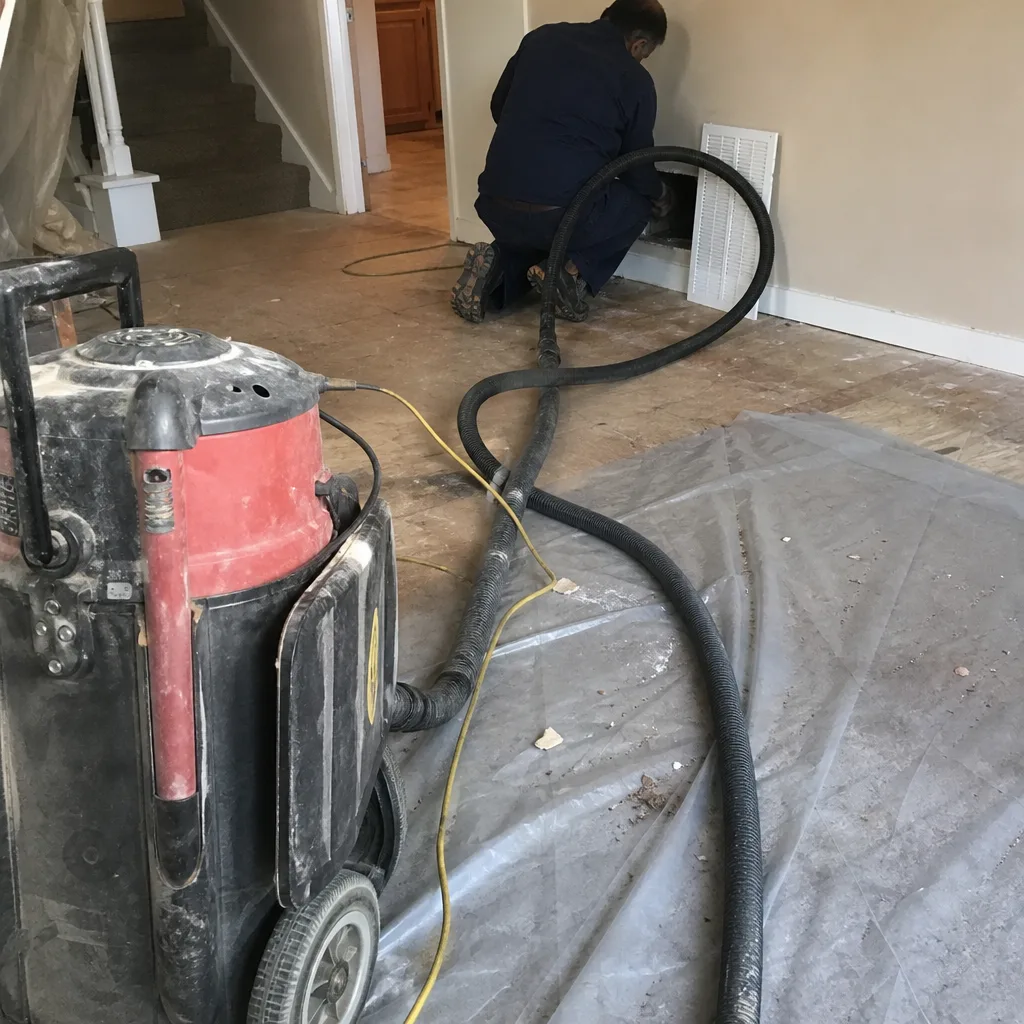 Before
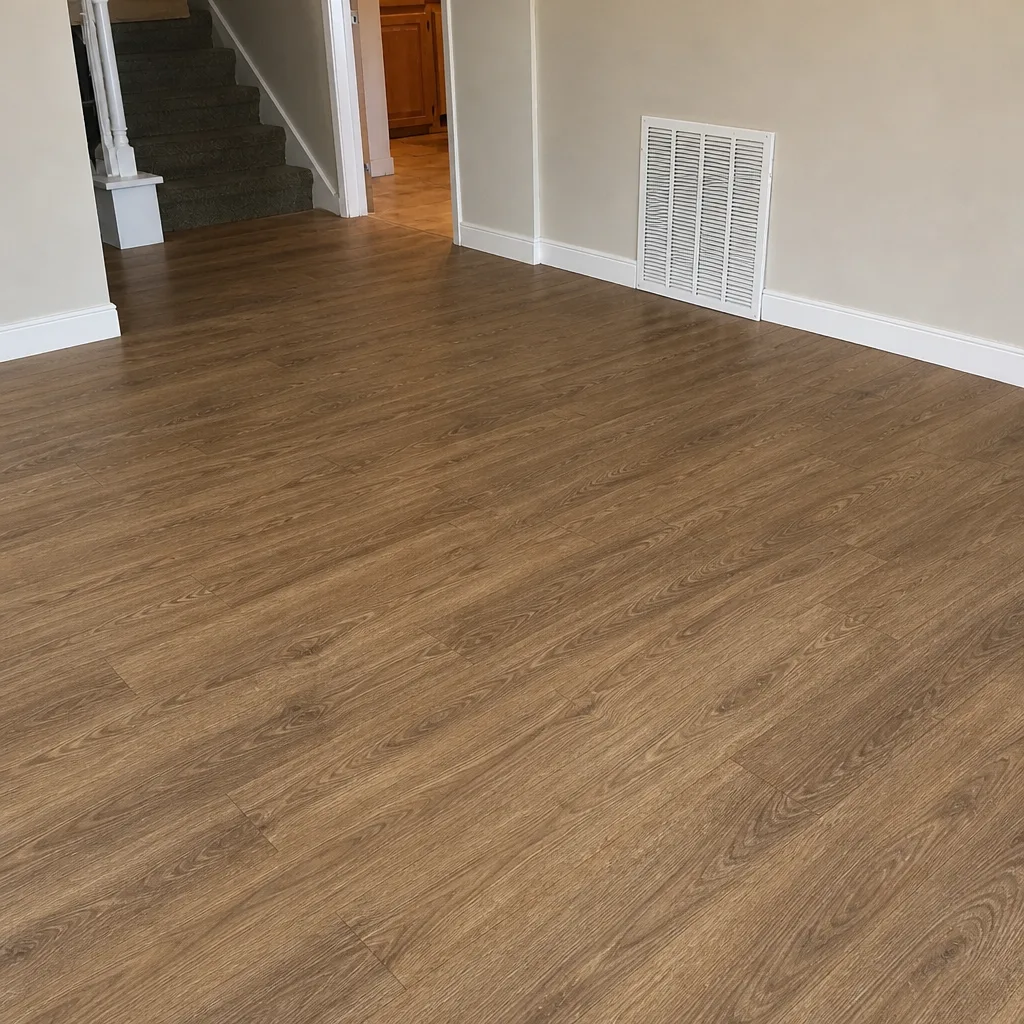 After
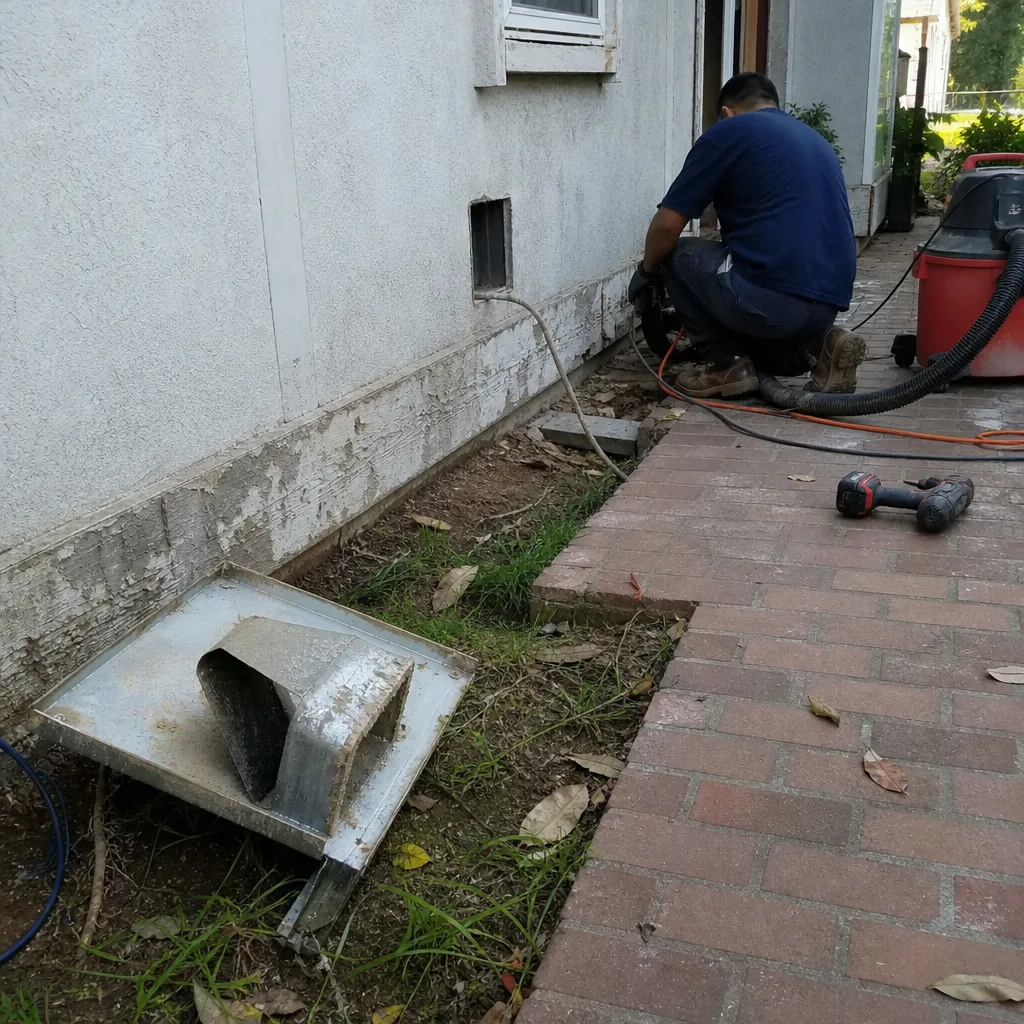 Before
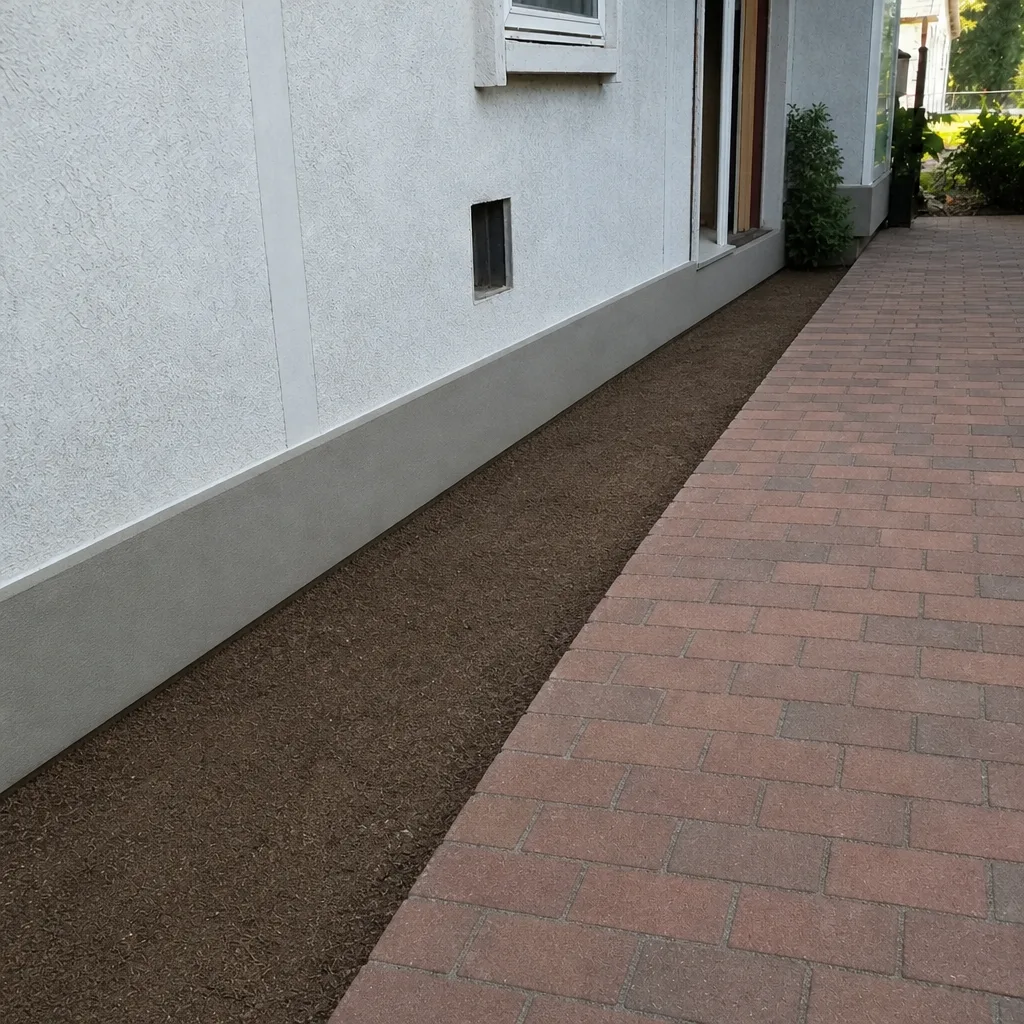 After
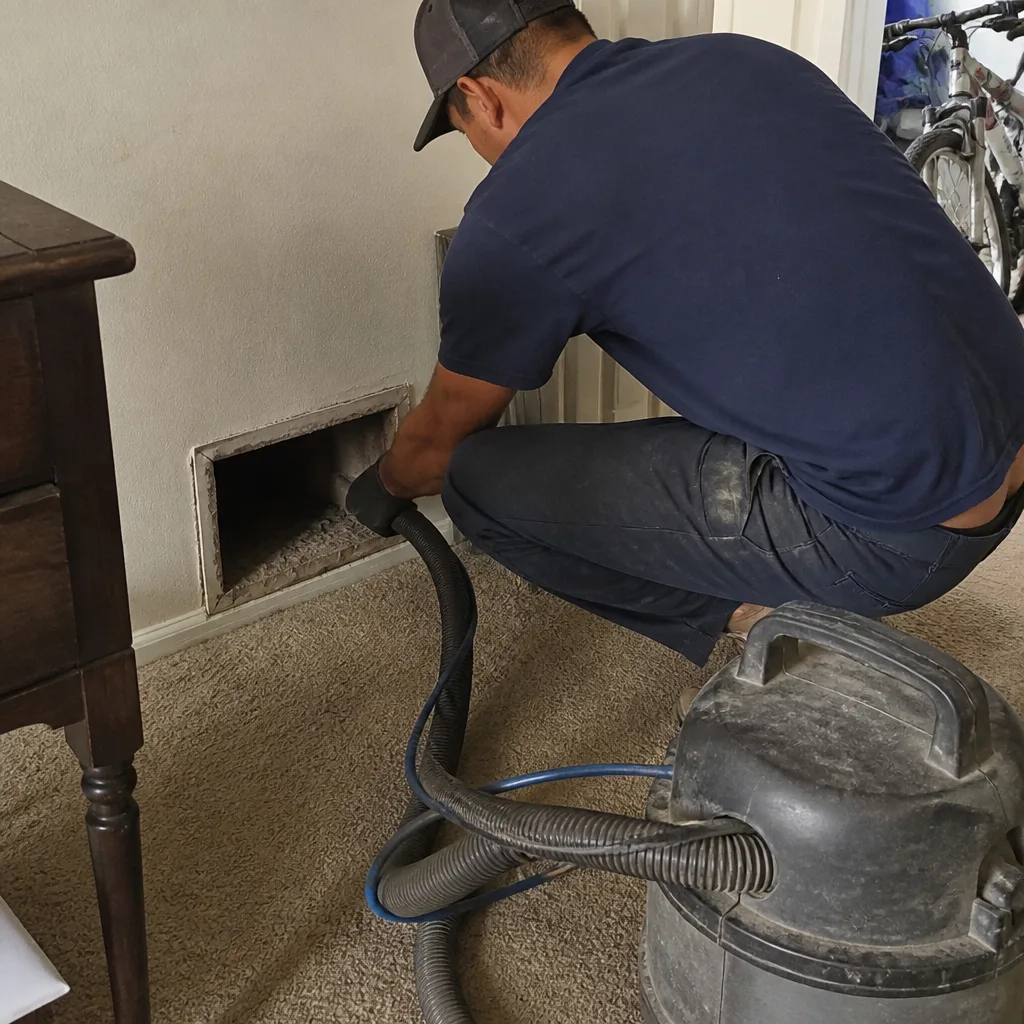 Before
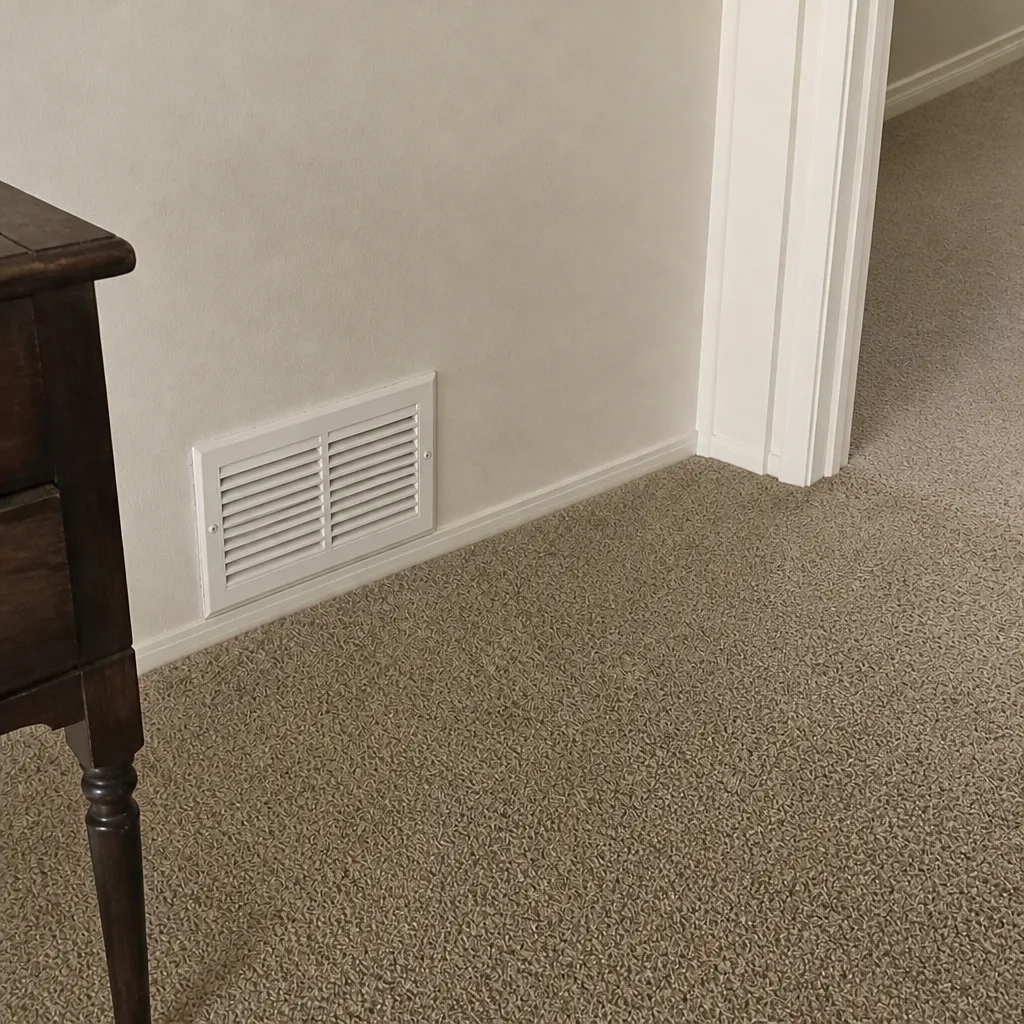 After
When to Call a Professional
Call a professional when you notice a musty or “dirty sock” odor each time the system starts, visible dust puffing out of supply registers, or airflow that’s inconsistent from room to room. Call if anyone in the home has allergy or respiratory symptoms that improve away from home. Call after any renovation, water intrusion, or if you’ve moved into a home with no service record. And call if a previous cleaning produced no documentation, because unverified work often means the coil and plenums were never touched. Orange Air Duct Cleaning Co offers free estimates in Orange. Call (855) 658-3734. We answer 24/7. Fast dispatch from 7am to 7pm, Sunday through Friday.
Frequently Asked Questions
Air duct cleaning in Orange typically costs between $350 and $800 for a standard home, with larger systems and heavier contamination running higher. The price is per system, set by a written estimate, not a per-vent count. Call (855) 658-3734 for an exact quote. Estimates are free.
Cheap quotes usually reflect a smaller scope: a shop vac and a blower instead of a HEPA-filtered negative-air machine, and ducts only instead of the coil, plenums, blower, drain pan, and registers. The low number isn’t a better deal, it’s a partial job. Ask for the itemized component list before you compare prices. Call (855) 658-3734 for a full-system quote.
You should receive before-and-after video of your own duct interiors, static pressure readings taken before and after the clean, and a component checklist showing every part addressed. If you can’t see the evidence, the work is unverifiable. Ask for the documentation standard in writing before work starts. Call (855) 658-3734 with questions.
Every 3 to 5 years is the general guidance, but Orange’s dry, particulate-heavy air and older housing stock can push that toward the shorter end, and homes with pets, recent renovation, or allergy sensitivity often need it sooner. An inspection is the honest way to decide. Call (855) 658-3734 for a free estimate.
Removing accumulated debris from the air pathway reduces the particulate load that airflow can carry back into your living space, which is why it can help allergy-sensitive households. It’s not a medical treatment and results vary by home. The key is a full-system clean that addresses the coil and plenums, not just the ducts. Call (855) 658-3734 to scope the job.
A proper job uses negative-pressure extraction with a HEPA-filtered collection unit, contact cleaning with a brush-and-vacuum system, and remediation-grade equipment for heavy contamination. Rotobrush and Nikro are the tool categories we use. If a company can’t name its method and equipment, that’s a sign. Call (855) 658-3734 to talk through the scope for your Orange home.
The Bottom Line
The core idea in this guide is simple: in Orange’s dry, particulate-heavy climate, most homes don’t have dirty ducts, they have dirty duct systems. A full-system clean addresses the duct trunk, branch runs, coil, blower wheel, plenums, drain pan, and registers in one job, using negative-pressure extraction and contact cleaning rather than a blow-out. Verified clean means documented before-and-after video, static pressure readings, and a component checklist. Before you sign any quote, check whether it itemizes the components, names the method, and documents the result. That’s the difference between a clean that holds and a callback. Call (855) 658-3734 for a free estimate. We answer 24/7. Fast dispatch from 7am to 7pm, Sunday through Friday.
Written by the team at Orange Air Duct Cleaning Co.