
Last updated November 25, 2026
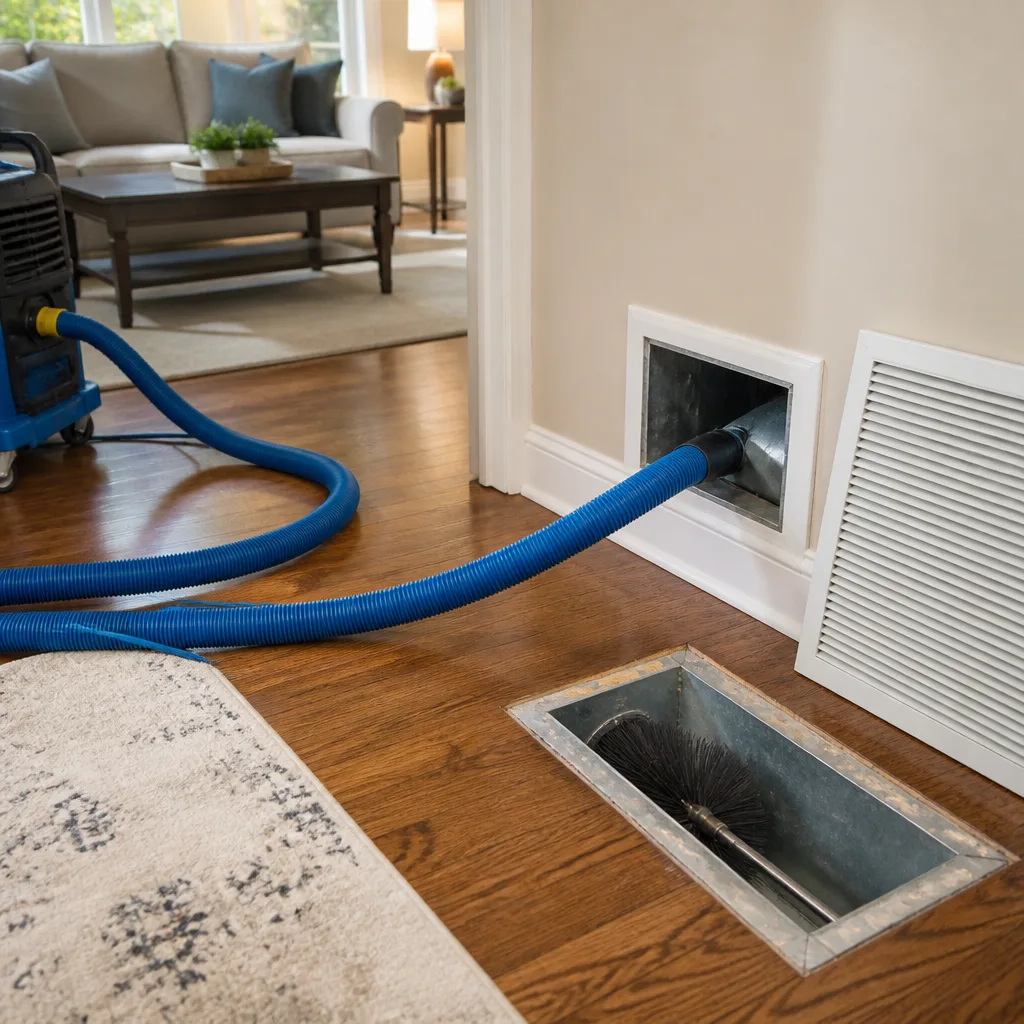 Whole-home duct cleaning
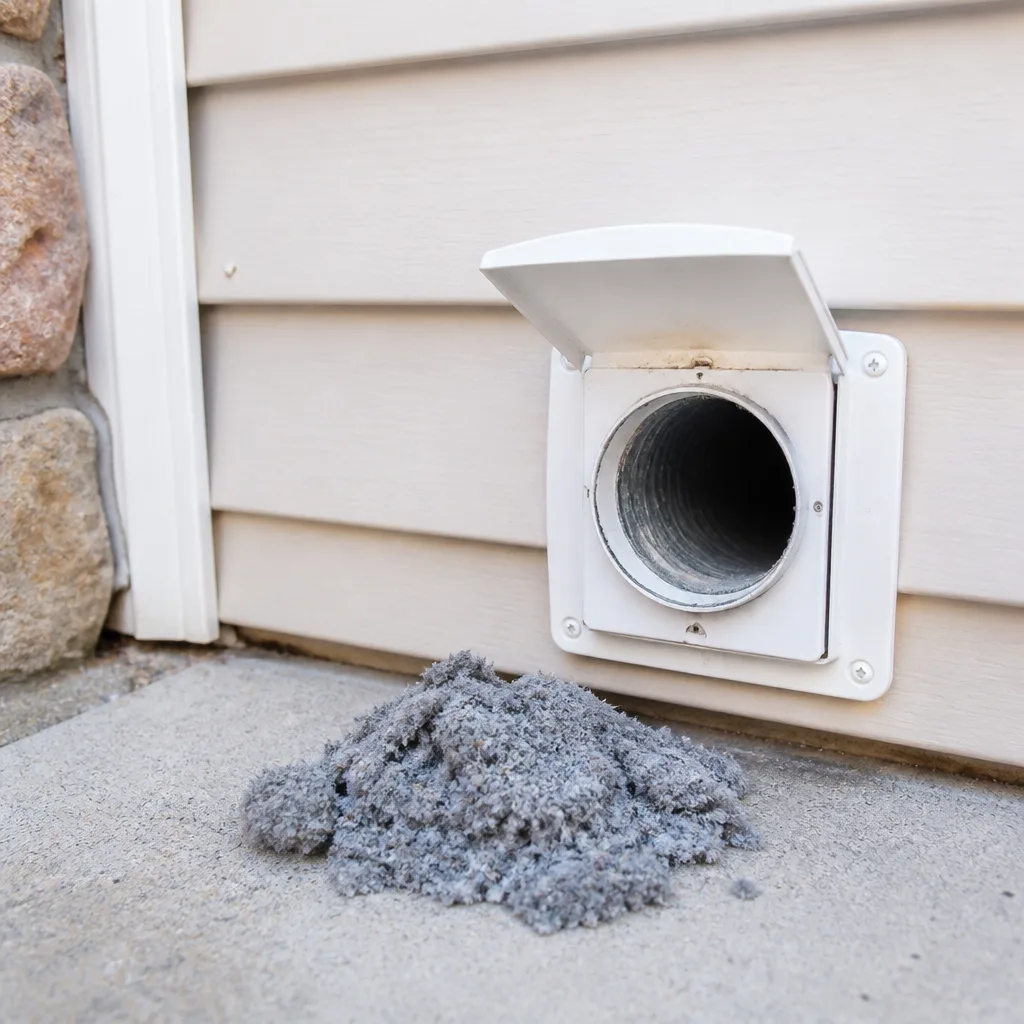 Dryer vent cleaning
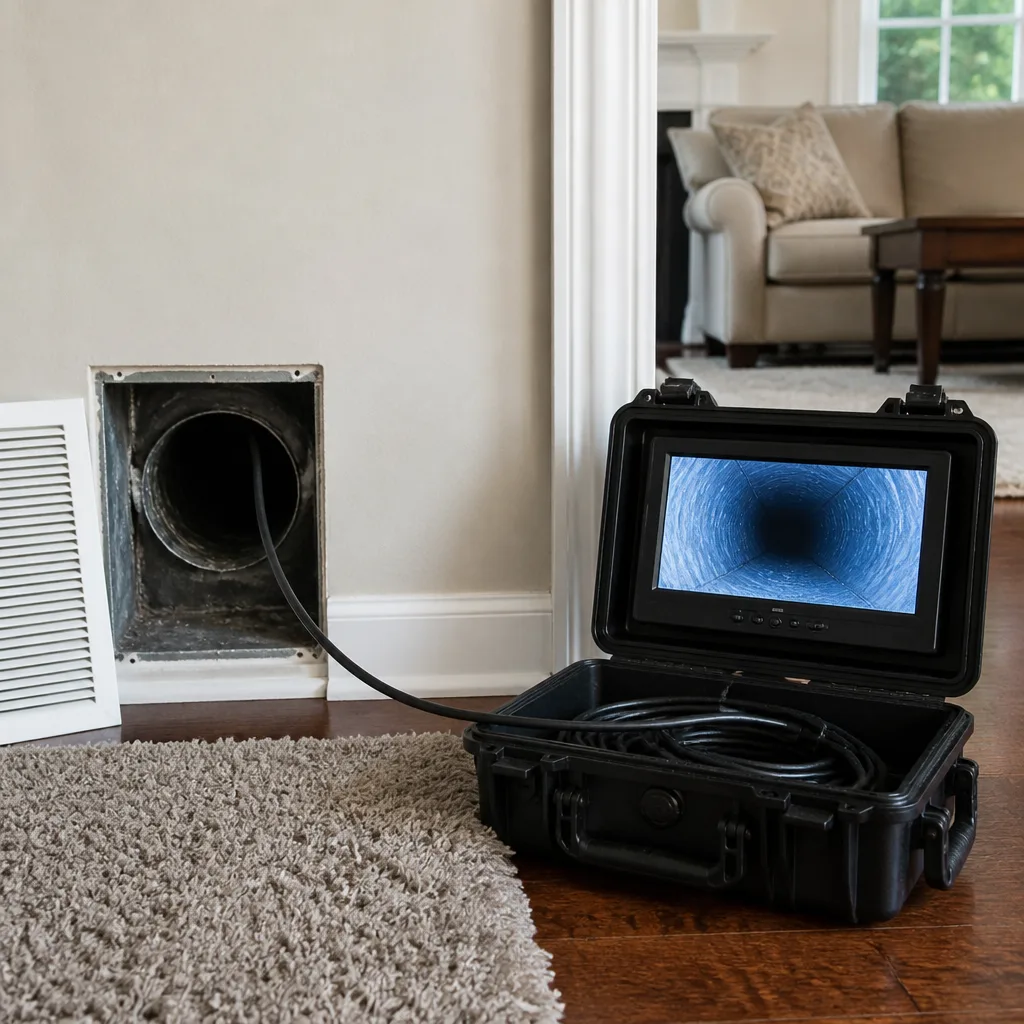 Camera inspection
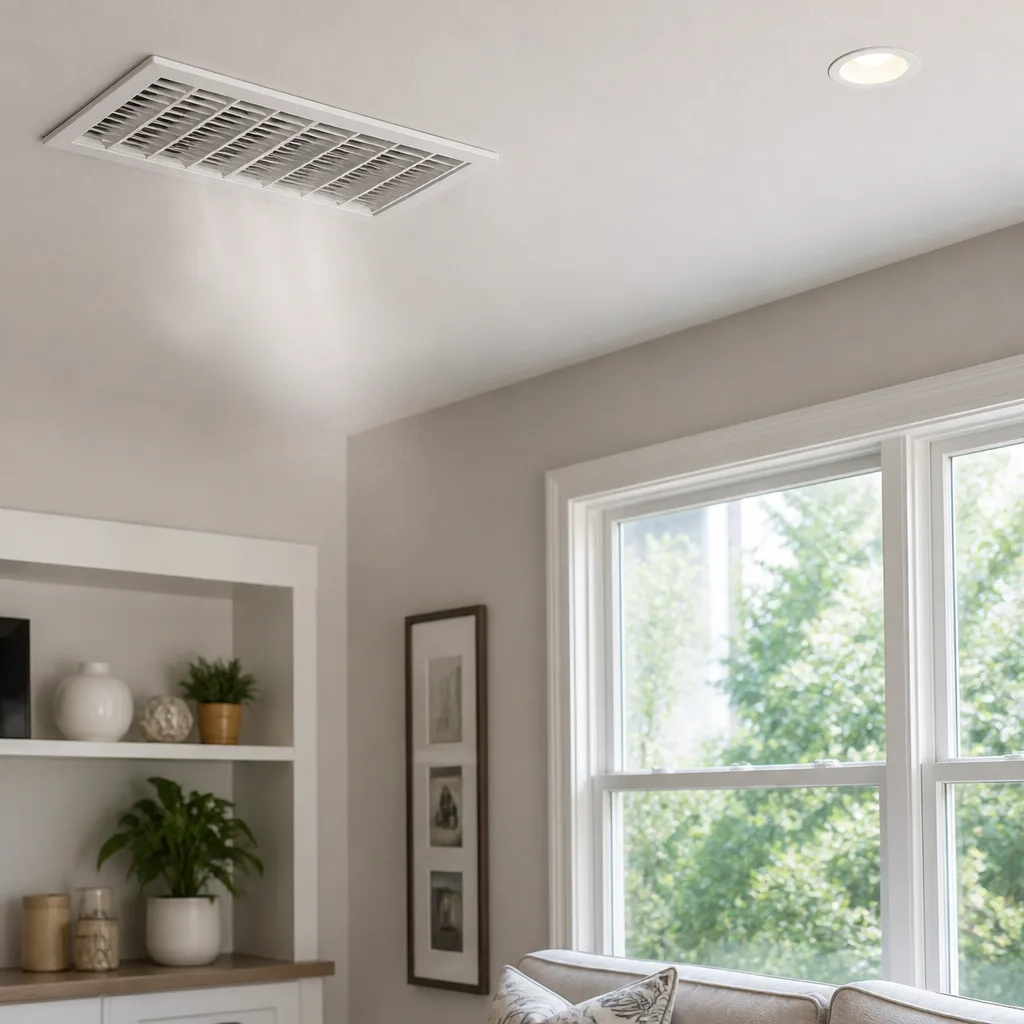 Sanitizing & deodorizing
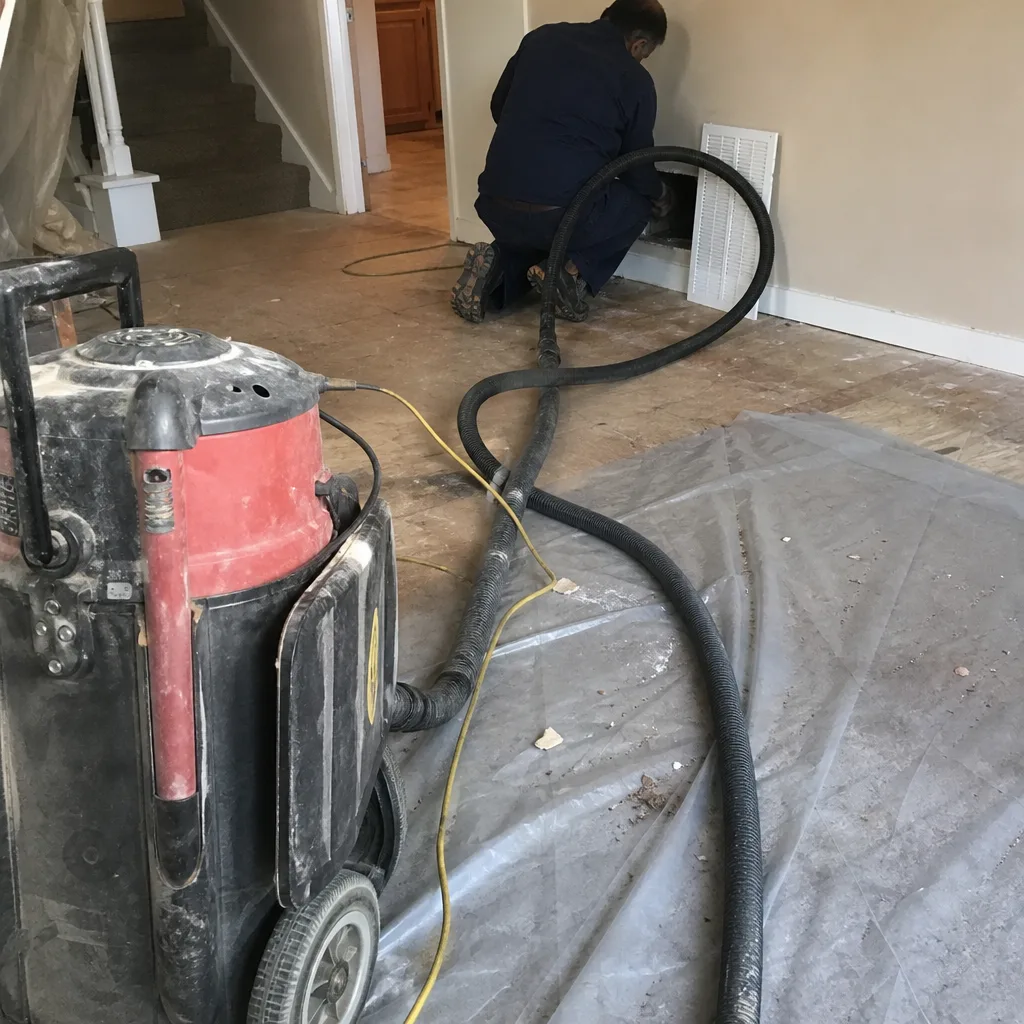
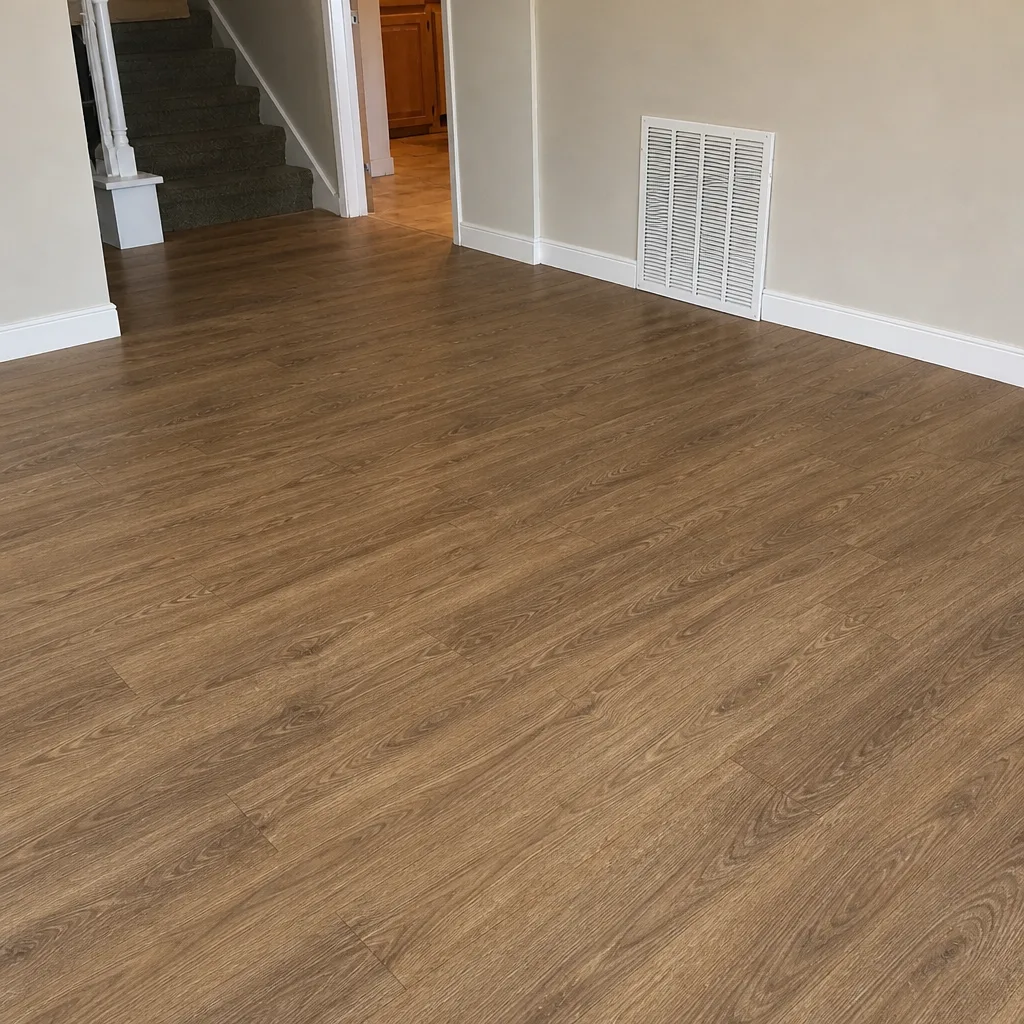
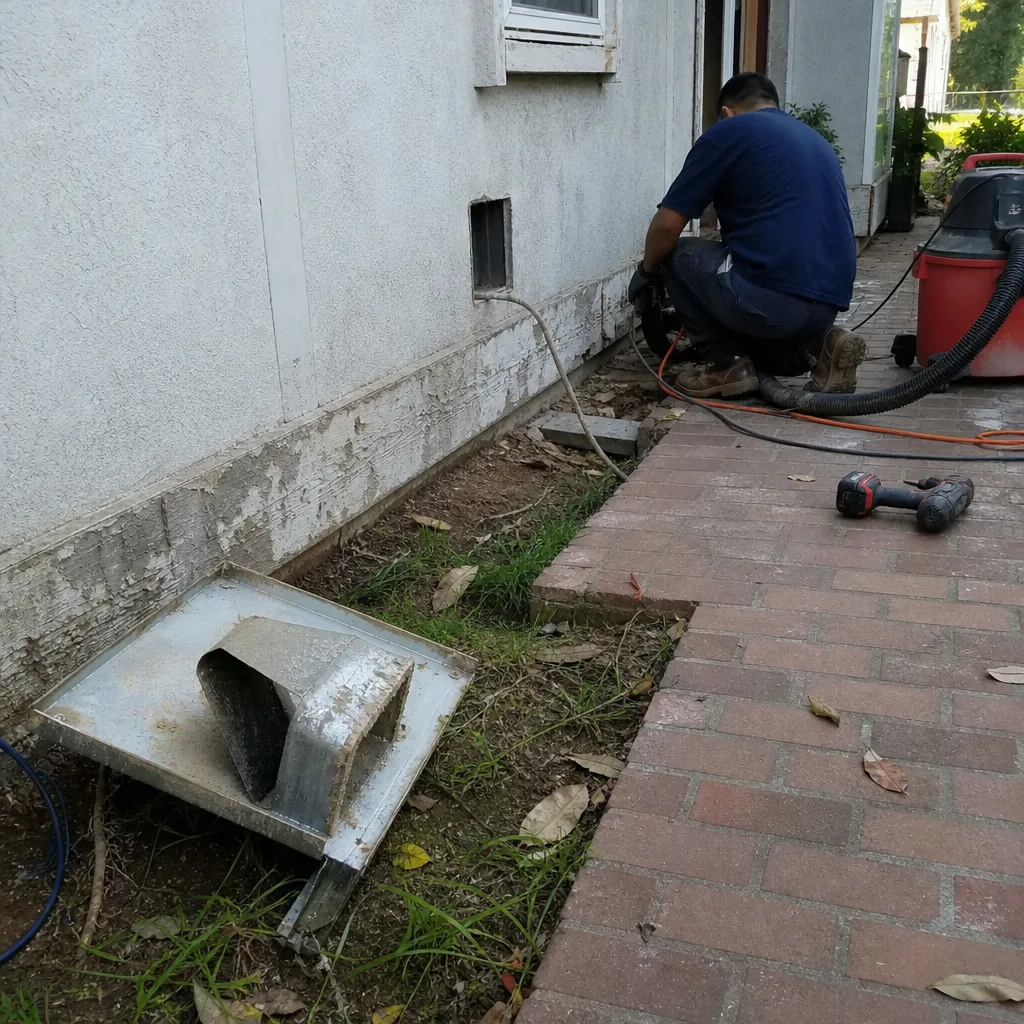
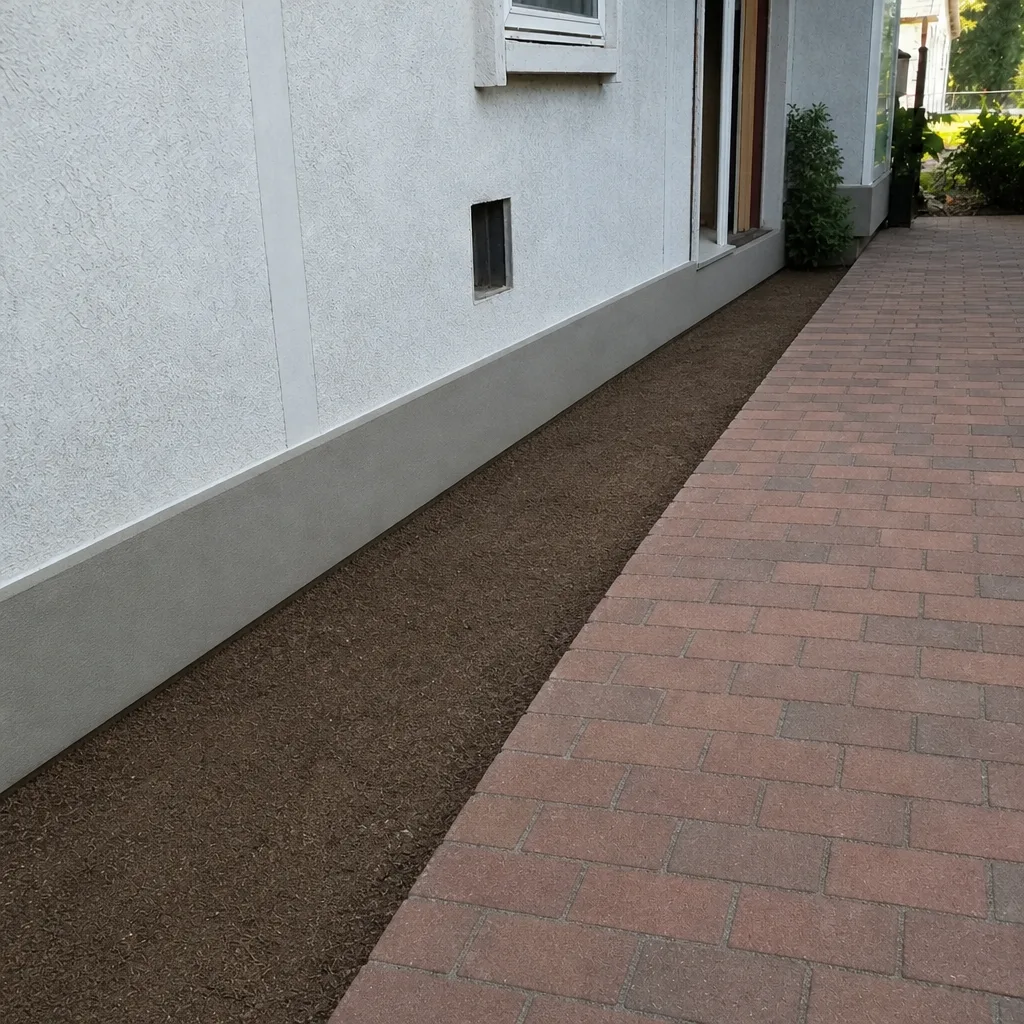
Whole-system duct and dryer vent check with before-and-after photos - you see exactly what came out of your vents
That "$99 whole-house special" is a bait ad - the real number appears once they are in your hallway, or the "clean" is a shop-vac at the register. We photograph the inside of your ducts before and after instead.
How to Hire an Air Duct Cleaning Contractor in Orange: A Step-by-Step Guide
Most people hire a duct cleaner the way they hire a locksmith: something went wrong, they search, they take the first number that answers. That’s exactly backwards with duct cleaning, because the work happens out of sight. You can’t see the inside of your trunk line from the living room, and that’s where a poor operator does the least and charges the most. The industry’s own association, NADCA, has estimated that a significant share of companies advertising duct cleaning don’t actually perform work to its ACR standard. Orange sits inside the LA metro, which means unusually high vendor volume and unusually wide quality variance. This guide gives you the three questions that separate real full-system operators from trunk-line-only crews, plus the credentials, quote lines and paperwork to check before anyone touches your registers.
Quick Answer
To hire an air duct cleaning contractor in Orange, verify three things before you book: NADCA membership or a documented ACR standard, a C-20 HVAC contractor license you can confirm through the CSLB, and a certificate of general liability insurance. Then demand a line-item quote that names access point creation, negative pressure setup, component-by-component cleaning and sanitizer as separate lines, and refuse any “per vent” price that doesn’t state your system size. A legitimate operator will hand all of that over without hesitation.
Styles & brands we work with
- Whole-home duct cleaning
- Dryer vent cleaning
- Camera inspection
- Sanitizing & deodorizing
Table of Contents
- Which Credentials Should You Verify Before the First Phone Call?
- How Do You Decode an Air Duct Cleaning Quote?
- What Are the Red Flags Specific to the Orange Market?
- What Should You Ask About Containment and Collection Equipment?
- How Should the Post-Job Walkthrough Work?
- What’s the Difference Between “Verified Clean” and “Serviced”?
- What Are the Three Questions That Screen a Contractor Fastest?
- Common Mistakes to Avoid
- When to Call a Professional
Which Credentials Should You Verify Before the First Phone Call?
Credentials are the cheapest filter you have, because a real operator will volunteer them and a bad one will get vague. Check all four before you talk price.
1. NADCA membership or ACR compliance. The National Air Duct Cleaners Association publishes a standard called ACR (Assessment, Cleaning and Restoration). Membership isn’t a guarantee of good work, but a company that has never heard of ACR almost certainly isn’t following a defined process. Ask which standard they work to and how they document it.
2. A C-20 HVAC contractor license. In California, duct cleaning work falls under the C-20 Warm-Air Heating, Ventilating and Air-Conditioning classification. You can confirm a license number and its status on the CSLB website in about two minutes. Ask for the number, not just the word “licensed.”
3. General liability insurance. Ask for a certificate of insurance and check the date. Duct cleaning involves cutting access holes, running negative air machines and moving equipment through finished rooms. If something goes wrong, you want a policy behind it, not a promise.
4. What the quote actually covers. A licensed, insured, NADCA-aware company will quote the whole air path: supply and return, the air handler, the plenum and the accessible trunk. If the quote mentions only “the vents,” you’re talking to a surface operator.
In our experience around Orange, the companies that push hardest on price are the same ones that get quiet when you ask for a license number. That’s the tell. The local professional we connect Orange homeowners with is licensed and insured as the state requires, and the paperwork is available before work starts.
How Do You Decode an Air Duct Cleaning Quote?
A real air duct cleaning quote reads like a scope of work, not a price tag. The line items tell you whether the contractor is cleaning a system or blowing air around in one.
Here’s what a complete quote in Orange should break out separately:
- Access point creation. Sealed cut-ins at the trunk and at branch runs, with proper caps or plugs afterward. You typically don’t reach a full trunk clean through existing registers alone.
- Negative pressure setup. A collection unit or HEPA-filtered negative air machine connected and running before any agitation begins.
- Component-by-component cleaning. Supply trunk, return trunk, branch runs, plenum, air handler cabinet, blower and coil area where accessible.
- Sanitizer or antimicrobial application. A separate line, priced separately, and optional unless contamination justifies it.
- System size, stated plainly. Number of registers and returns, or total treated area. If it’s missing, the price is meaningless.
- Verification and cleanup. Video or photo documentation and restoration of the work area.
If a quote puts all of that into a single number, that’s fine, but the scope still has to be written down. “Whole house” on a napkin is not a scope. It means the contractor has decided in advance how much work your house gets, and it’s usually the minimum.
What you should never see is a per-vent figure standing alone with no system size attached. Per-register pricing without a register count is a number with nowhere to land. It also can’t be compared to anything, which is the point.
What Are the Red Flags Specific to the Orange Market?
Orange sits in a dense metro with an unusually large supply of duct cleaners, and that supply produces a few patterns you’ll see nowhere else in the country quite as often. Watch for these.
The “$99 whole-house special.” Nobody performs real negative-pressure cleaning of a whole system for that. The offer exists to get a technician through the door, where the price grows through add-ons: sanitizer, “heavy contamination,” extra registers, coil cleaning. A flat price agreed before work starts, in writing, is the only structure that protects you.
Door-to-door canvassing after wildfire smoke events. This is a recurring pattern across Southern California. Smoke events create real concern about indoor air, and canvassers move through neighborhoods selling sanitizing that has no defined scope and no documentation. Legitimate operators don’t knock; they quote in writing. The Air Quality & Sanitizing work that actually matters targets microbial buildup and odor at the source, not a fogged scent.
Vague “per vent” pricing. Same problem as above. A per-register price with no system size and no scope is a placeholder, not a quote.
No mention of access points. If the contractor plans to clean only through existing registers, they’re working on the branches and calling it a whole-system job. The trunk is where the debris settles. It needs cut-ins.
Sales pitch before inspection. A real quote starts with a look at the system: layout, register count, air handler condition, visible contamination. A number given over the phone with no questions asked is a guess dressed as an estimate.
Orange’s housing stock is another factor. A lot of the city’s homes have older duct layouts, flexible branch runs and air handlers tucked into tight closets or attics. Those configurations take longer to access than a newer install, and a contractor who’s quoted without looking is either padding or guessing.
What Should You Ask About Containment and Collection Equipment?
This is the single most diagnostic question in the entire hiring process. Ask: “What do you use to keep the debris out of my living space while you work?”
Two answers are legitimate:
- A truck-mounted or portable high-powered vacuum connected directly to the system, pulling and collecting debris. Positive collection at the source.
- Portable HEPA-filtered negative air machines creating a contained vacuum environment in the work zone. This is the more flexible approach, and it’s what we use. Nikro negative-air technology sets up a contained vacuum around the work area, so cross-contamination to living spaces doesn’t happen.
What you don’t want to hear is a compressor, a shop vac and a promise. “Blowing through” the system without collection dislodges debris and redistributes it, often exactly into the rooms you’re trying to protect. That’s a worse outcome than not cleaning at all, because now the contaminants are airborne and you’ve paid for it.
The second equipment question: “What do you use to physically remove debris from the duct walls?” Contact cleaning means a brush or agitation tool physically scrubbing the interior surface, combined with vacuum extraction. We use Rotobrush contact-cleaning systems, which run a rotating brush head through the duct while pulling debris into a contained vacuum. Aerosol-only “fogging” doesn’t remove buildup; it moves it.
The third: “What happens if my ducts turn out to be heavily contaminated?” Attic mold, construction dust after a remodel, allergen buildup after years without service – some jobs need more than a routine maintenance machine. Abatement Technologies equipment is designed for high-contamination and remediation-grade scenarios. A contractor whose kit tops out at “standard clean” will either pretend the problem isn’t there or quote a job they can’t finish properly. Ask what they’re equipped for before you find out.
Truck-Mounted vs. Portable: Which Is Better?
Neither is inherently better; they solve different problems. Truck-mounted units deliver more raw suction but require the truck within reach of the duct system, which limits them in dense Orange neighborhoods with tight driveways and multi-story homes. Portable HEPA-filtered negative air machines reach anywhere and contain the work zone tightly. What matters is whether the contractor can explain their setup and why it fits your house. A vague answer here is a real answer.
How Should the Post-Job Walkthrough Work?
The walkthrough is where you find out whether the work was done or just billed. Ask for three things, and don’t accept substitutes.
- Before-and-after video from inside the main trunk. Not a photo of a register, not a shot from outside the system. A camera run inside the trunk showing the same section before and after. This is the only proof that matters, and it’s the reason air duct cleaning shouldn’t be paid for on trust.
- Verification that every access hole is properly sealed. Every cut-in should be capped, plugged or sealed, and confirmed as you walk the house. An open access point leaks conditioned air into a wall cavity or attic, which costs you money and can pull contaminants back into the system. Ask them to show you each one.
- A written summary of what was done, with photos. Scope, components addressed, sanitizer used (if any), and any findings worth follow-up. You should be able to hand that document to the next contractor and have it mean something.
Walk the house together before they leave. Look at the registers, the return grilles, the access points, and the floor protection. Our technicians apply Guardsman-grade surface protection standards while working, so finished floors, furniture and trim should come through the job exactly as they went in. If something needs touching up, that’s the moment to raise it.
One more thing: ask whether the duct integrity was checked during the job. Loose joints, disconnected branch runs and torn flex duct let a cleaning become pointless within weeks, because the system is pulling from a crawlspace or attic. Duct Repair & Sealing addresses that; ask whether it’s part of their scope or a separate call.
What’s the Difference Between “Verified Clean” and “Serviced”?
“Serviced” means someone came out and did something. “Verified clean” means you have evidence the interior surfaces are clean and the containment held. That gap is where the whole industry’s reputation problem lives, and it’s what separates a full-system operator from a blow-and-go crew.
A verified job has these marks:
- Containment established before any agitation begins.
- Every component addressed individually: supply trunk, return trunk, branches, plenum, air handler. Not just the registers.
- Contact cleaning with physical agitation, not just airflow.
- Interior video evidence you reviewed yourself.
- All access points sealed and confirmed.
- A written record with photos of your own system, not stock images.
A “serviced” job looks like this: a technician runs a hose through the registers for a few minutes, dust puffs around the room, the invoice gets handed over. Nothing was contained, nothing was documented, and the fine debris that was coating the duct walls is now settled in your carpet and furniture.
This is why we frame the work as full-system rather than one-service. We clean the ducts, then the air handler itself in an HVAC cleaning, check duct integrity through Duct Repair & Sealing, address the source of odor with Air Quality & Sanitizing, and handle the dryer vent separately with dryer vent cleaning. The air path in a house doesn’t stop at the register, so a contractor who cleans the ducts and ignores the air handler is leaving the most contamination-rich component untouched.
Where Filtration and Upgrades Fit In
If your system has a filter cabinet, a media filter slot or room for a whole-home filtration unit, the cleaning visit is the moment to sort it out, because the system is open and accessible. Our work with Honeywell and Aprilaire filtration products means we can recommend and install air-quality upgrades in the same visit as the cleaning. Ask any contractor whether they can do that, or whether you’ll be calling somebody else next week to finish the job.
What Are the Three Questions That Screen a Contractor Fastest?
If you only have a two-minute phone call, use these three. The answers separate real operators from the rest faster than any review score will.
- “What’s your CSLB license number, and what standard do you work to?” A licensed C-20 contractor gives the number instantly. A contractor working to NADCA ACR references the standard. Hesitation on either is your answer.
- “How do you contain the dust while you work, and can you show me before-and-after video from inside the trunk afterward?” A negative-pressure setup and post-job video are the two marks of a legitimately done job. Neither is optional.
- “Break down the quote by scope, and tell me how many registers and returns are in my system.” A line-item scope with a stated system size is comparable. A single per-vent number isn’t. If they won’t break it down, they’re not quoting your house, they’re quoting a category.
Anyone who answers all three confidently and offers documentation without being pressed is worth a site visit. Anyone who gets cagey on the third is not, no matter how good the price looks.
Common Mistakes to Avoid
- Booking on price alone. The lowest quote in Orange is almost always the shortest scope. You’re comparing a blow-through with a full-system clean, and they aren’t the same product.
- Treating a per-vent price as a real quote. Without a stated register count and scope, it’s a number that only grows once the technician is in your driveway.
- Skipping the license check. The CSLB lookup takes two minutes and settles most of the doubt. A company that won’t produce a C-20 number is telling you something.
- Not asking about containment. A cleaning without negative pressure redistributes debris into the living space. Ask what machine goes on the job and how the work zone is isolated.
- Accepting a sales pitch in place of an inspection. A quote given without someone looking at your system, counting registers and viewing the air handler is a guess wearing a price tag.
- Forgetting the access points at the end. Unsealed cut-ins leak conditioned air and can pull attic or wall contamination into the system. Walk the house and confirm every hole is capped.
- Hiring on the door. Canvassing spikes after smoke events in Southern California, and the pitch is always a vague “sanitize the whole house.” Legitimate work is scoped in writing before anyone comes out.
The Orange Air Duct Cleaning Co approach addresses most of these by default, because the equipment, documentation and written scope are built into how the work runs, not sold as an upgrade.
When to Call a Professional
Some signs point to a system that needs a full clean rather than a tune-up. Call when you notice musty or dusty odors that return shortly after you’ve cleaned the room, or air that smells different in one part of the house. Call when allergy symptoms track with time spent at home and improve when you leave. Call when airflow at some registers is noticeably weaker than others, which often points to a disconnected or crushed branch run, not just debris. Call after a remodel, when construction dust has settled into return grilles and the air handler cabinet. Call if it’s been years since the ducts were inspected at all. And call if your dryer is taking two cycles to dry a load, which is a vent problem and a safety issue, not a duct-cleaning extra.
If you’re in Orange and want to know where you stand, Orange Air Duct Cleaning Co offers free estimates in Orange – call (855) 658-3734. One flat price per system, agreed before work starts, with before-and-after photos of your own ducts at the end.
See the difference
 Before
 After
 Before
 After
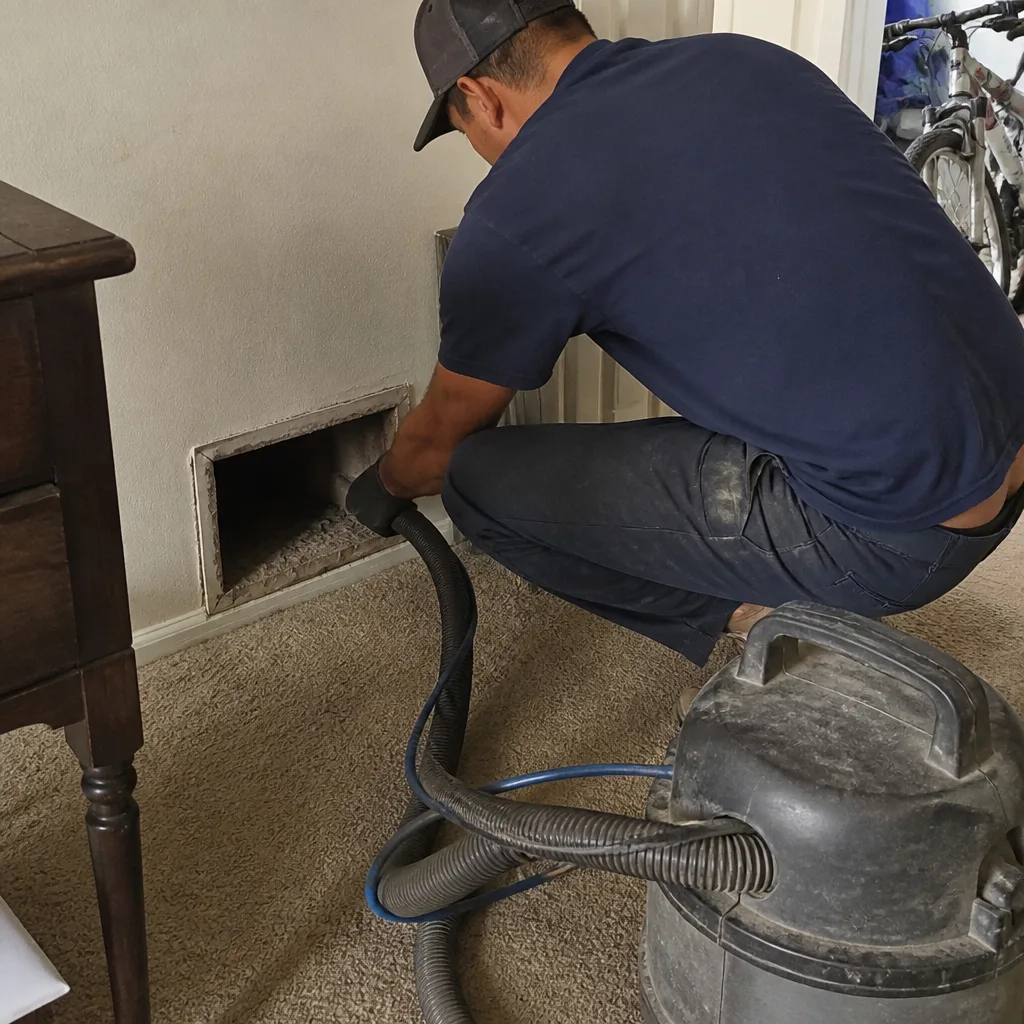 Before
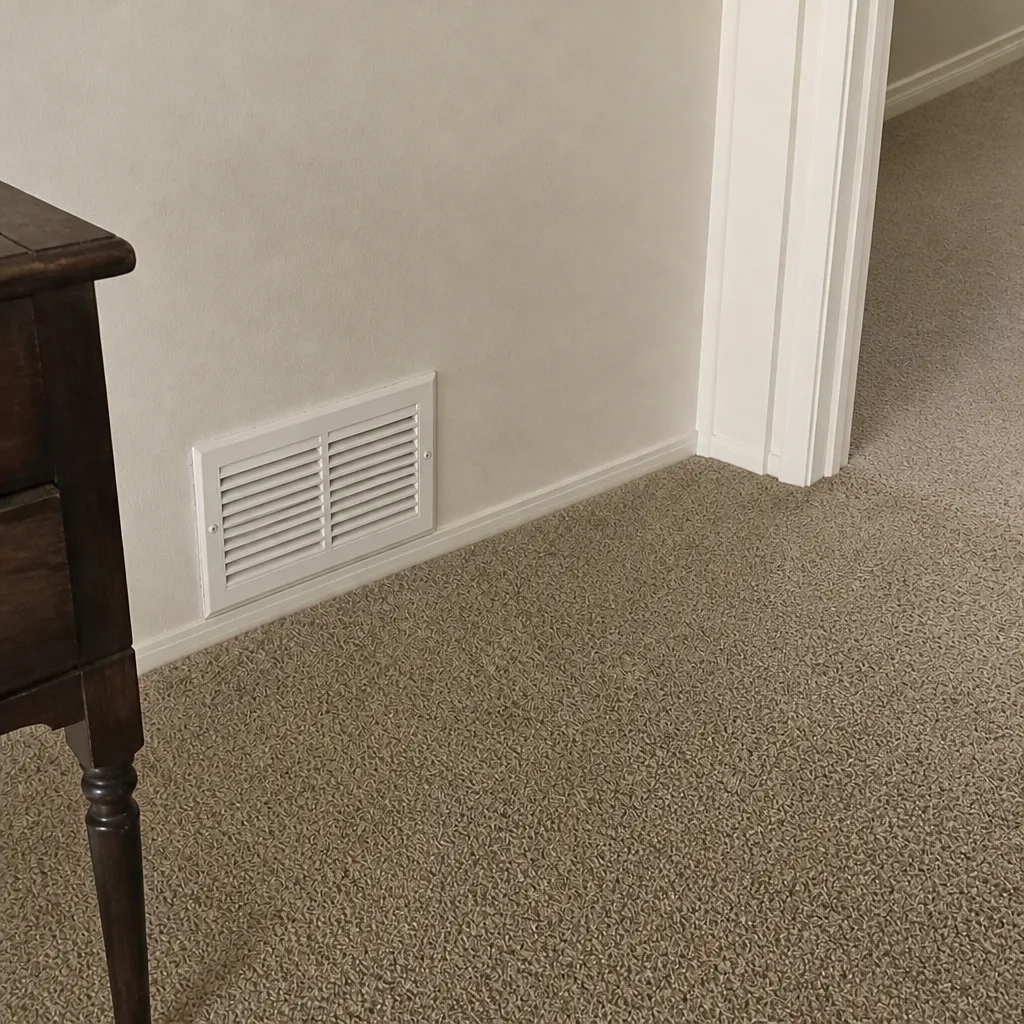 After
Frequently Asked Questions
Most full-system residential duct cleanings in the Orange area land in a few-hundred to low-four-figure range depending on system size, register count and contamination level. Beware any figure quoted before someone has counted your registers and looked at the air handler, because the scope determines the price. Call (855) 658-3734 for an exact quote; estimates are free.
Because the scope is smaller. A cheap quote typically covers register-to-branch blowing with no containment, no trunk access and no sanitizer, which is not the same job as negative-pressure full-system cleaning. You’re comparing different products, not the same product at different prices. Call (855) 658-3734 for a line-item quote you can compare against any other.
Ask for before-and-after video from inside the main trunk, plus confirmation that every access point was sealed. Those two items are the difference between a verified clean and a receipt. If a contractor can’t produce the footage, the work can’t be verified. Call (855) 658-3734 with any questions about what documentation you’ll receive.
For most Orange homes, every three to five years is reasonable, and sooner after a remodel, a rodent or moisture problem, or years without service. Homes with pets, smokers or persistent allergy symptoms tend to need it more often. If you’re unsure where you stand, call (855) 658-3734 and we’ll talk through the signs.
No, routine duct cleaning doesn’t require a permit in California. What does matter is the contractor’s C-20 license through the CSLB and proof of general liability insurance. Ask for both before booking, and confirm the license status yourself on the CSLB website.
Dryer vents are a separate air pathway and get serviced separately from the HVAC ducts. A clothes dryer taking two cycles to dry a load usually points to a lint-clogged vent, which is also a fire concern. Ask about this as part of the initial quote rather than after the duct job.
Same-day service is available depending on scheduling. Call (855) 658-3734. We answer 24/7. Fast dispatch from 7am to 7pm, Sunday through Friday. A call outside dispatch hours is booked into the next opening.
The Bottom Line
Hiring a duct cleaner in Orange comes down to verification, not price comparison. Check the C-20 license, the insurance certificate and the standard they work to. Demand a scope broken out by access points, negative pressure, component cleaning and sanitizer, with your system size stated. Ask about containment equipment and expect before-and-after video from inside the trunk. Those checks take thirty minutes total and screen out most of what’s wrong with this trade. A flat price per system agreed before work starts takes care of the rest. If you’d rather skip the screening and get a straight answer, we’re one call away.
Call (855) 658-3734 for a free estimate. We answer 24/7. Fast dispatch from 7am to 7pm, Sunday through Friday.
Written by the team at Orange Air Duct Cleaning Co.